
 Save to Pinterest
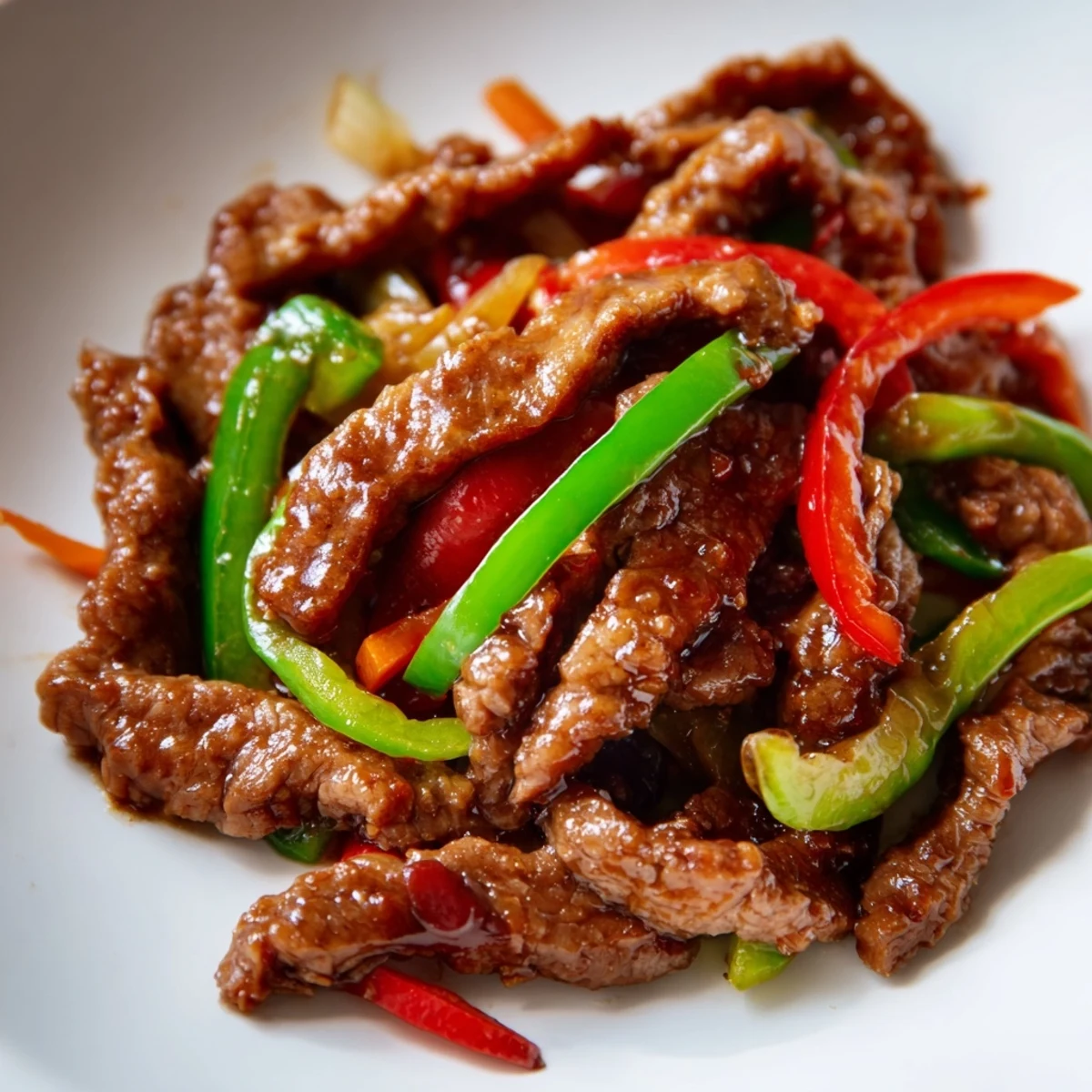
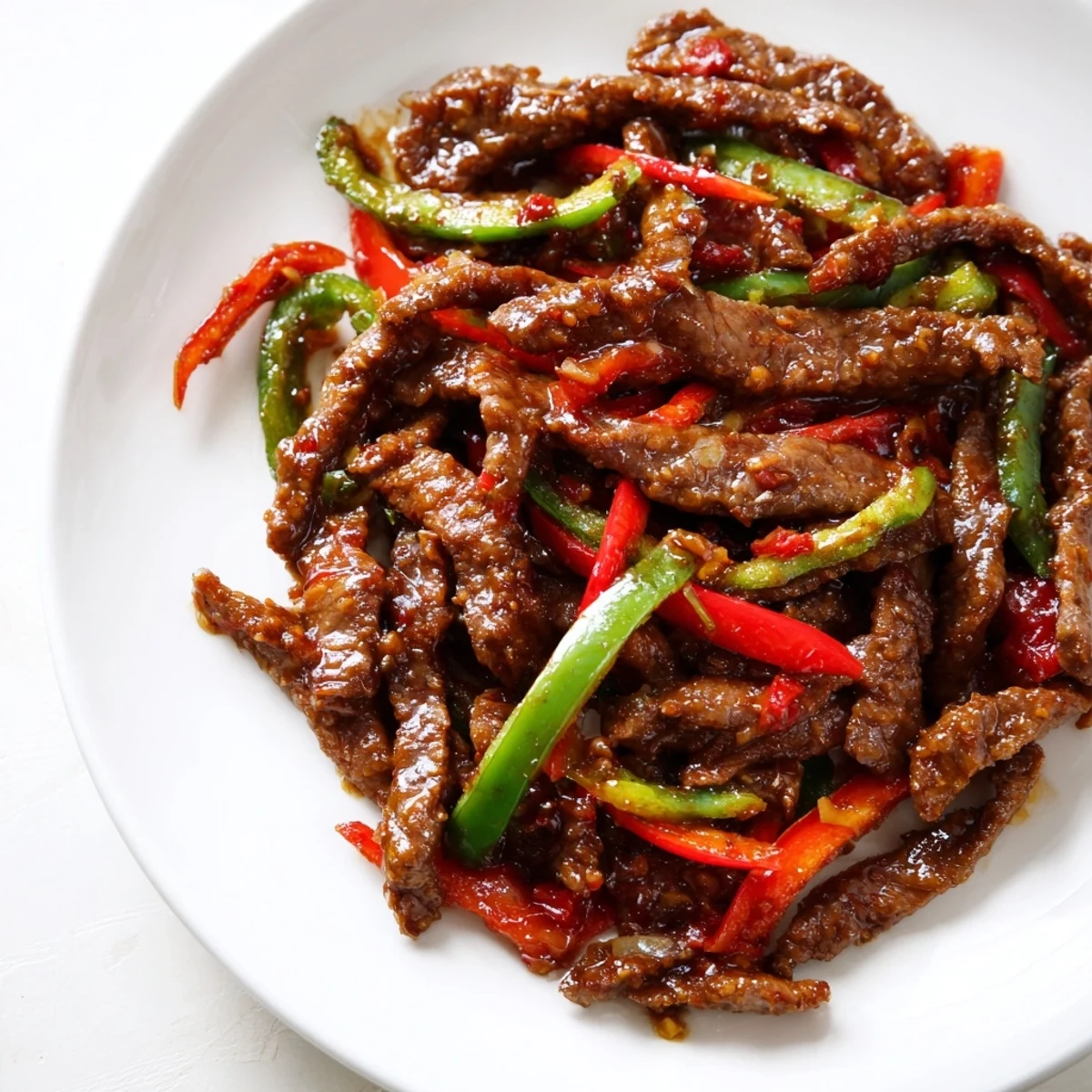
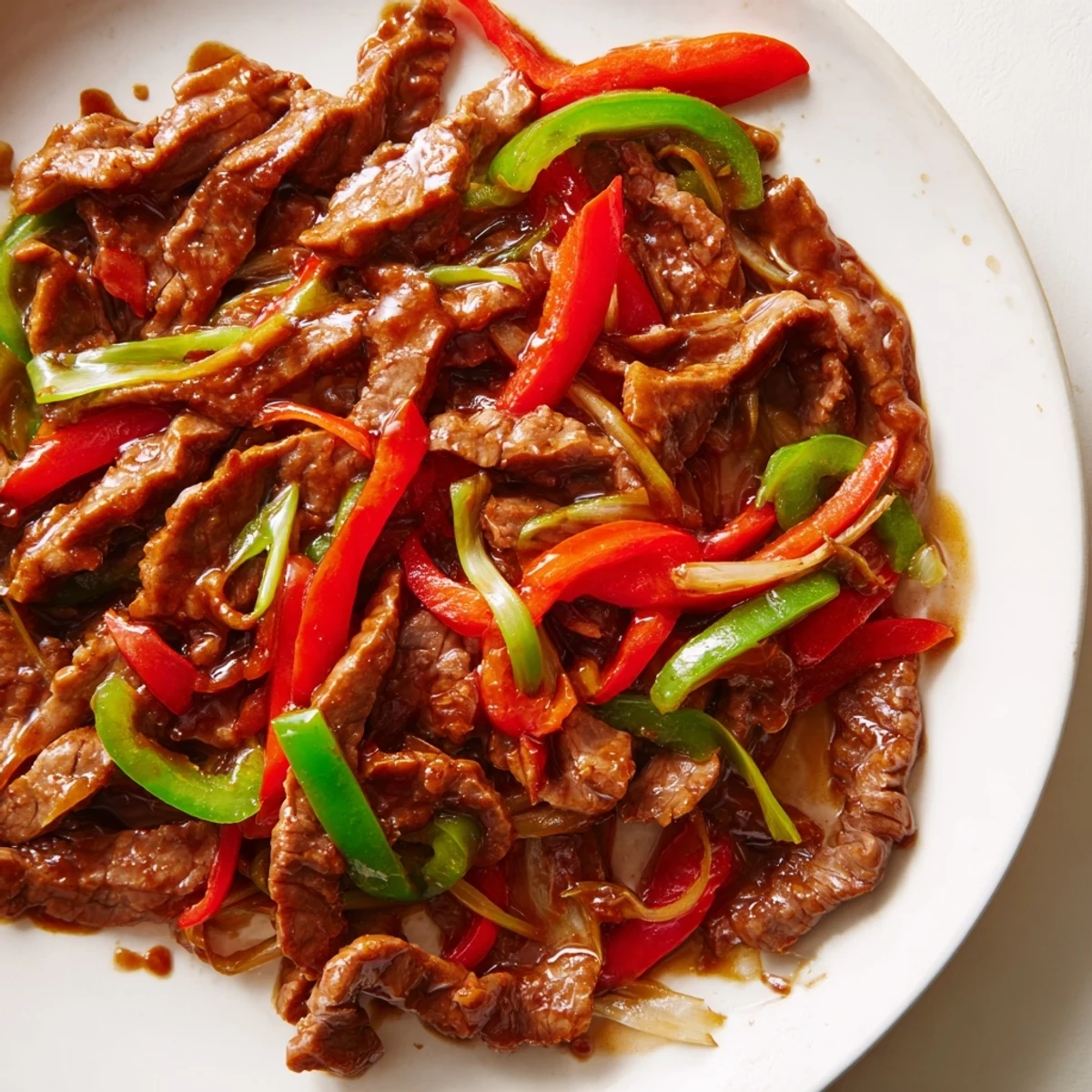
 This dish features thinly sliced beef marinated in a blend of soy, oyster sauce, and rice vinegar, then stir-fried with fresh onion, bell peppers, garlic, and ginger. The spicy sauce, enriched with chili garlic and hoisin, delivers a bold and savory flavor. Ready in under 30 minutes, it’s a satisfying main dish paired well with steamed rice or noodles.
There's something about the sizzle of beef hitting a screaming hot wok that makes everything else fade away. I discovered this particular stir fry on a Tuesday night when I had exactly twenty-five minutes, half a pack of beef, and the kind of hunger that doesn't tolerate shortcuts. The spice hits just right—enough to wake you up, not so much that you're gulping water by the end. It became my go-to move whenever I needed to prove that real, restaurant-quality dinner didn't require hours or a dozen specialty ingredients.
I made this for my sister one rainy evening when she stopped by unexpectedly, and she sat at the kitchen counter watching the whole process, the steam rising between us. When she took that first bite, her eyes went wide in that specific way that told me I'd nailed something. She asked for the recipe immediately, then asked again how I made it look so effortless when really I was just moving quickly and pretending I knew what I was doing.
Ingredients
- Flank steak or sirloin, thinly sliced: The grain matters more than you'd think—slice against it and you get tenderness that makes each bite melt. I learned this the hard way after one particularly chewy attempt.
- Soy sauce: Use it in both the marinade and sauce, but taste as you go because different brands have different salt levels.
- Oyster sauce: This is the secret depth that makes people wonder what you added—it's umami in a bottle.
- Rice vinegar: The brightness that keeps everything from feeling heavy, even though you're eating beef and sauce.
- Cornstarch: Tossed with the beef, it helps the marinade cling and creates that silky texture in the wok.
- Sesame oil: Just a teaspoon, but it's the whisper of nuttiness that makes people ask what they're tasting.
- Red and green bell peppers: They cook in minutes and stay firm if you don't overcrowd the pan—the colors matter too, not just for looks but for that slight sweetness each brings.
- Fresh ginger and garlic: Julienne the ginger so it stays in little strips you can taste rather than disappearing into sauce.
- Hoisin sauce: Sweet, sticky, complex—it rounds out the spice so nothing tastes one-dimensional.
- Chili garlic sauce: Start with two teaspoons and add more if your crew likes heat; I've learned to under-spice and let people adjust rather than the other way around.
- Brown sugar: A tablespoon sounds like a lot until you taste how it balances the salt and chili heat.
- Vegetable oil: High smoke point is non-negotiable here—you need the heat.
Instructions
- Prep the beef:
- Slice your steak thin and against the grain—this is the moment that determines whether you're going to have tender bites or a chewy disappointment. Mix it with the marinade and let it sit while you handle everything else; ten minutes isn't much but it makes a difference.
- Mix the sauce:
- Whisk all those sauce ingredients in a small bowl so you're not fumbling with bottles while the wok is screaming hot. I learned to prep this first because once things start cooking, you're moving too fast to measure.
- Sear the beef:
- Heat one tablespoon of oil until it's almost smoking, then add the beef in a single layer—don't crowd it or you'll steam instead of sear. Two minutes, just until the edges brown and the beef is still mostly raw inside because it'll finish cooking later.
- Cook the vegetables:
- Add the remaining oil to the empty pan, then everything gets a quick toss with the heat still high. Watch for the moment when the peppers and onions have color but still have some firmness left—that's the sweet spot, usually around two to three minutes.
- Bring it together:
- Return the beef, pour in the sauce, and keep moving everything until the sauce thickens slightly and clings to everything. The whole thing should taste balanced—if it's too salty, add a splash of water; if it's too mild, sneak in more chili sauce.
- Finish and serve:
- Spring onions go on top right before you plate it, so they stay fresh and bright. Have your rice or noodles ready because this is best served hot.
 Save to Pinterest
 There's a moment right when everything comes back together in the wok, when the sauce hits the hot beef and vegetables, and the kitchen fills with this smell that reminds you why you cook in the first place. That's when it stops being a quick weeknight dinner and becomes something you're actually proud to put on the table.
The Heat Question
Spicy is personal, and I've learned to respect that by starting conservative and letting people turn up the heat themselves. The two teaspoons of chili garlic sauce I call for gives you warmth and depth without obliterating anyone's palate, and if someone wants more fire, fresh sliced chilies or an extra squeeze of sauce gets them there. I once made this for a group where half wanted mild and half wanted to breathe actual flames, so I learned to serve the sauce on the side and let chaos reign.
What to Serve It With
Jasmine rice is the classic because it's fragrant and slightly sticky, which means it picks up the sauce beautifully. Noodles work too—rice noodles or even egg noodles will catch everything—and I've even done it over cauliflower rice on nights when I was being that version of myself. The real secret is having enough starch to soak up the extra sauce because that's where the flavor lives.
Making It Your Own
The beauty of stir fry is that it bends to what you have on hand, and I've made excellent versions with snap peas instead of bell peppers, added cashews for crunch, or thrown in bok choy because it was in the crisper. Chicken works if beef isn't in the budget, tofu if you're cooking vegetarian, and everything else scales up or down depending on how many people you're feeding. Trust your instincts, taste as you go, and remember that the goal is food that tastes good to you, not adherence to someone's rigid formula.
- If your vegetables are cut roughly the same size, everything finishes cooking at the same time instead of some things being mushy and others still crunchy.
- Marinating the beef while you prep everything else is the secret to moving fast without sacrificing tenderness.
- Keep the heat high and don't stir constantly—let things actually make contact with the hot pan so they develop color and flavor instead of just sweating.
 Save to Pinterest
 This is the meal that turned me into someone who actually enjoys cooking on a Tuesday, the one where everything works in your favor and you end up with something that tastes like you knew what you were doing the whole time. Make it once, make it a hundred times, and it only gets better.
Recipe FAQs
- → What cut of beef works best?
-
Thinly sliced flank steak or sirloin is ideal for quick cooking and tender results.
- → How can I adjust the spice level?
-
Increase or reduce the chili garlic sauce to match your preferred heat intensity.
- → Can I substitute the beef with other proteins?
-
Yes, chicken or tofu can be used as alternatives for different dietary preferences.
- → What side dishes pair well with this meal?
-
Steamed jasmine or basmati rice complements the spicy beef and vegetable combination nicely.
- → Are there common allergens in this dish?
-
The sauce contains soy, gluten, and shellfish components—check labels if you have sensitivities.