
 Save to Pinterest
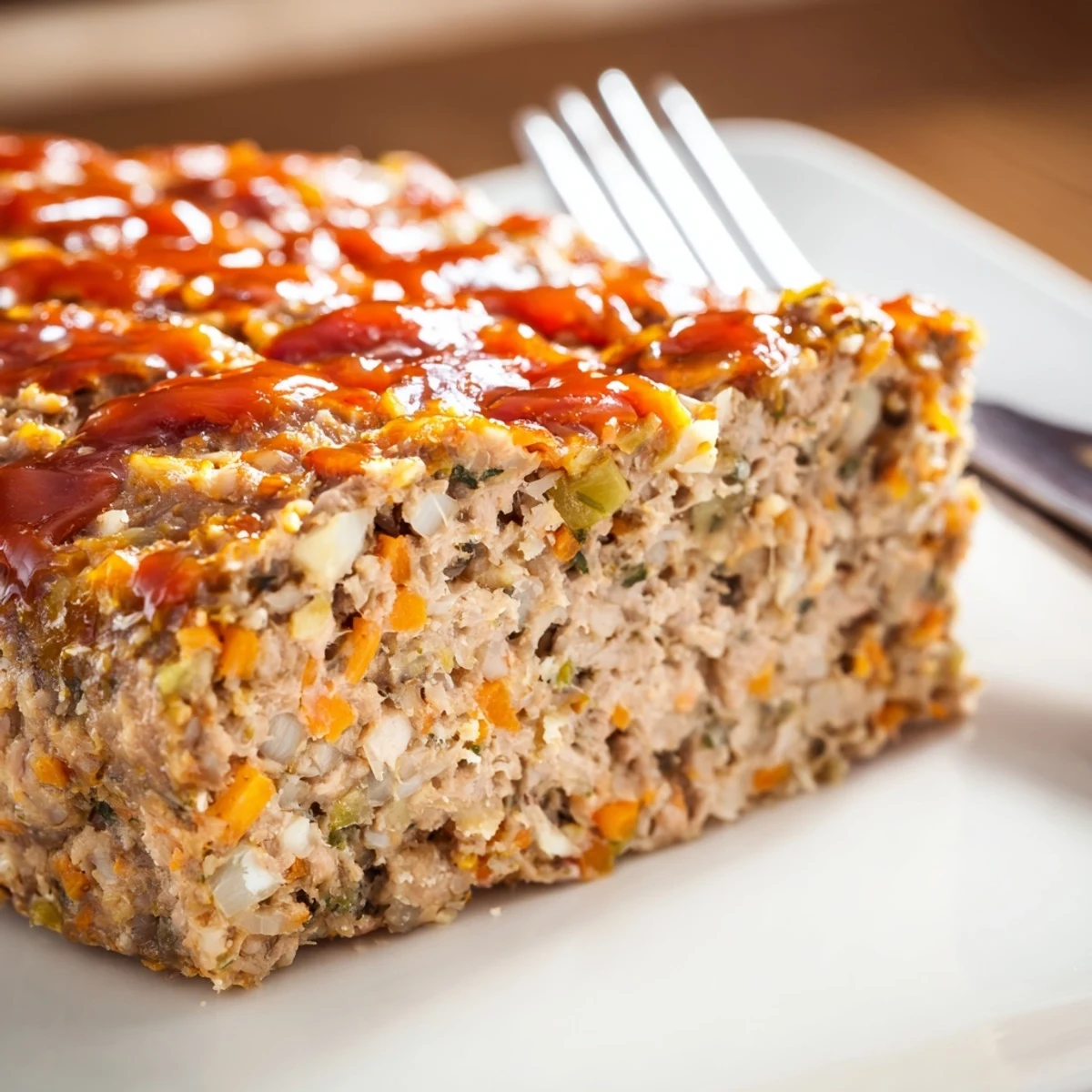
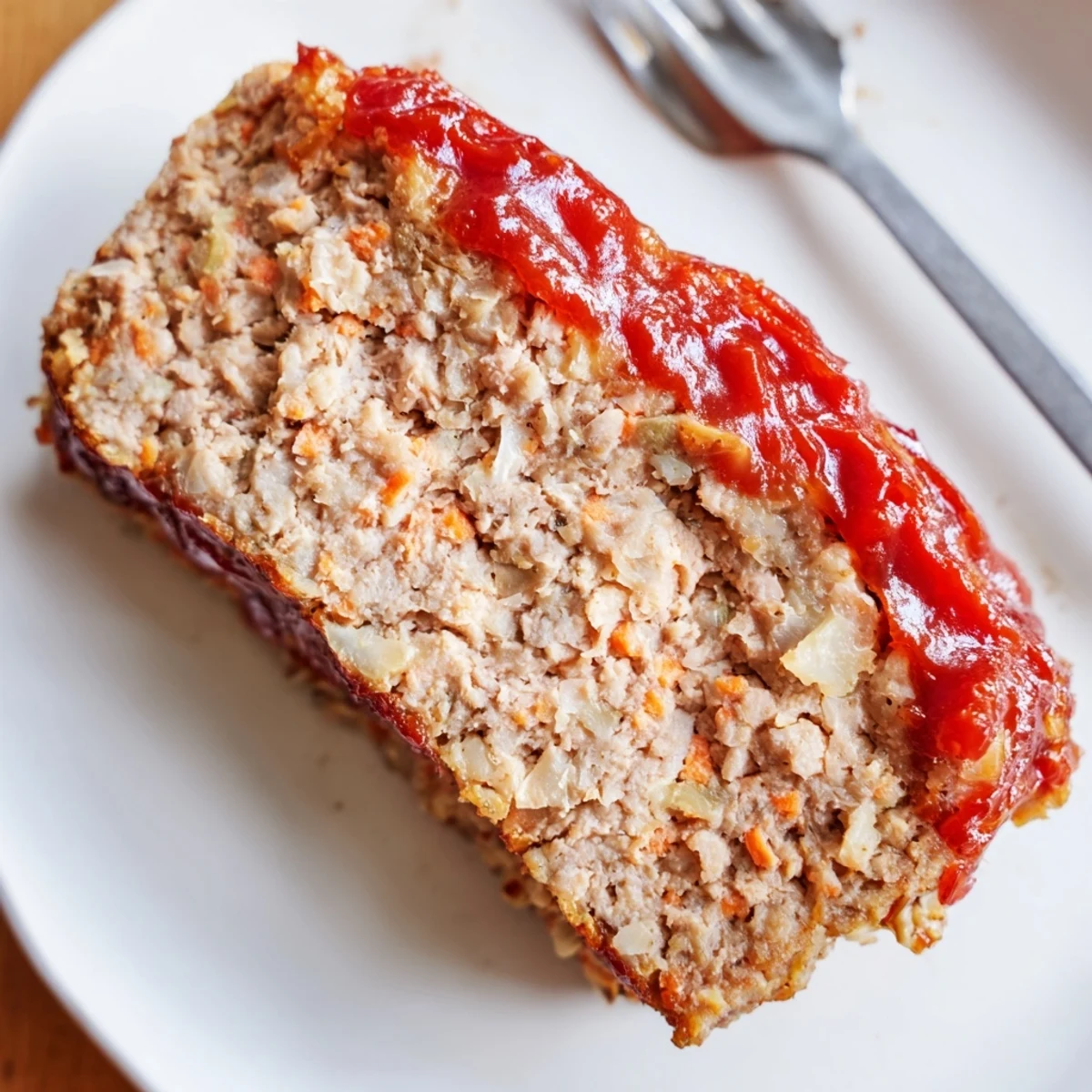
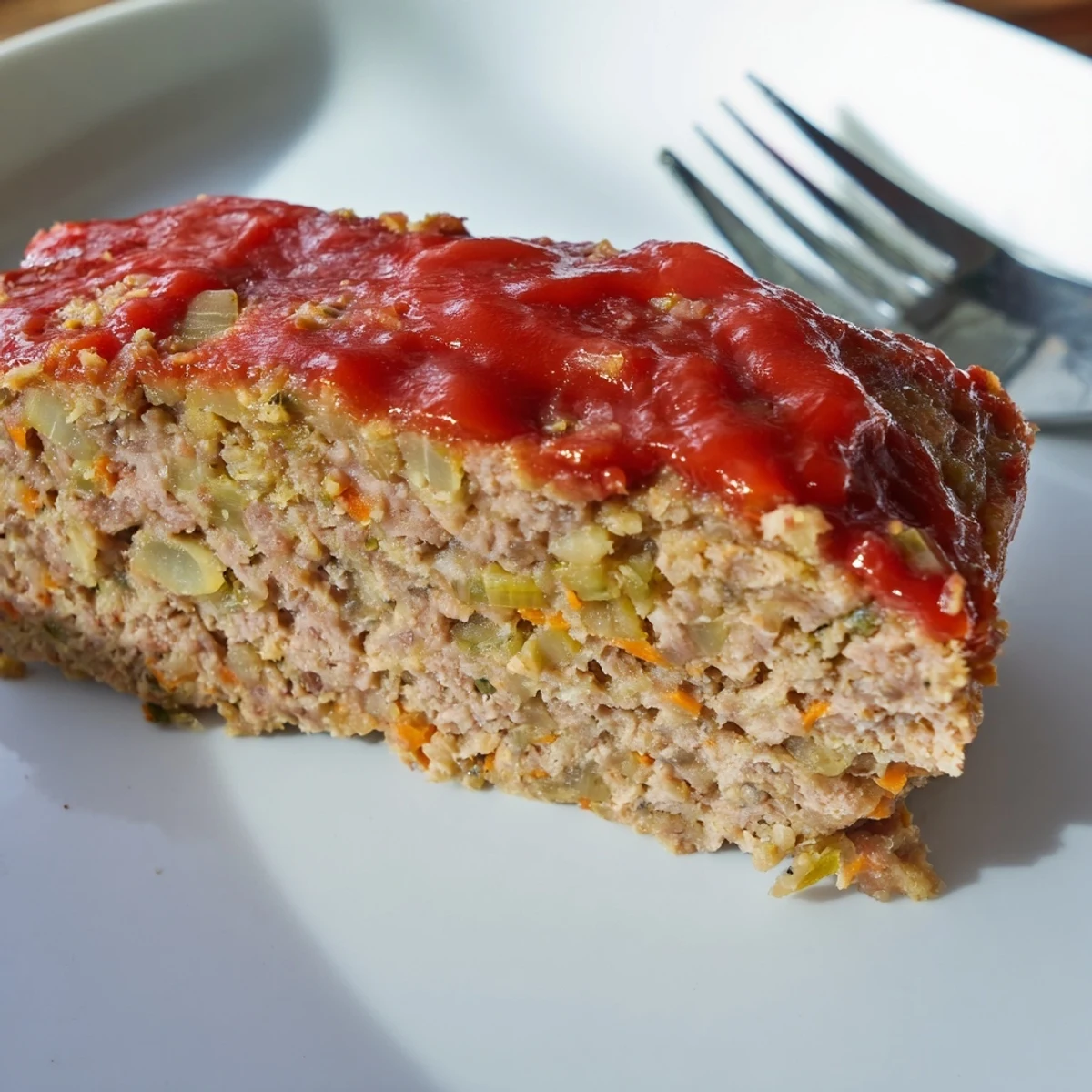
 This turkey loaf blends lean ground turkey with finely chopped onion, garlic, carrot, and celery, bound together with breadcrumbs, eggs, and a touch of milk. Seasoned with thyme, oregano, Worcestershire sauce, and a tangy topping of ketchup and Dijon mustard, it bakes to a moist, flavorful finish. Ideal for family dinners or prepping ahead, this dish offers a high-protein, low-fat option that's easy to slice and serve warm or cold.
I discovered this turkey loaf on a Tuesday when my refrigerator was nearly empty except for ground turkey and a carton of eggs. What started as an improvisation became something I make every few weeks now—it's the kind of recipe that works whether you're feeding yourself or unexpected guests. The aroma while it bakes fills your whole kitchen with warmth, something almost comforting in its simplicity. My partner walks in asking what smells so good before it's even finished cooking.
Last month I made this for meal prep Sunday and my coworker asked for the recipe after tasting a slice at lunch. She said it was the first time she'd thought of turkey loaf as something exciting rather than obligatory. That moment stuck with me because it reminded me that the simplest things, prepared with a little intention, can surprise people.
Ingredients
- Ground turkey (1 1/2 lbs, preferably lean): The foundation of everything—lean meat keeps the loaf tender rather than dense, and it cooks through evenly without drying out the edges.
- Onion, garlic, carrot, and celery: These vegetables add moisture and sweetness; grating the carrot means it disappears into the mixture while still doing its job.
- Breadcrumbs (1/2 cup) and milk (1/4 cup): This pairing creates what cooks call a "panade"—it keeps everything incredibly moist and prevents the loaf from becoming tight or crumbly.
- Eggs (2 large): Your binder, helping everything hold together as the loaf bakes and cools enough to slice cleanly.
- Ketchup, Worcestershire, and mustard: These three create a subtle depth; the mustard on top adds a slight tang that cuts through richness.
- Thyme and oregano: Dried herbs work beautifully here since they distribute evenly and won't turn bitter with the cooking time.
- Salt and pepper: Don't skip seasoning the meat itself—it makes a real difference in every bite.
Instructions
- Get your oven ready:
- Preheat to 350°F (175°C) and line your loaf pan with parchment paper or give it a light coating of oil. This step takes seconds but saves you scrubbing later.
- Mix without overworking:
- Combine all your ingredients in a large bowl, but here's the thing—stop mixing the moment everything comes together. Overmixing makes the loaf dense and tough, like you're working gluten you don't want. If it takes less than a minute, you're doing it right.
- Shape and season the top:
- Transfer to your pan and gently press into an even loaf. Mix the ketchup and mustard together, then spread it across the top like you're frosting something, letting it coat down the sides a little.
- Bake until golden and set:
- After 55 to 60 minutes, the loaf should feel firm to the touch and read 165°F (74°C) at the center with an instant-read thermometer. The edges might look darker than the top—that's actually a good sign.
- Rest before slicing:
- This 10-minute rest lets the loaf firm up so your slices stay together instead of falling apart. It also lets the flavors settle, making each bite taste better.
 Save to Pinterest
 My mom texted me a photo of this loaf sliced on her plate last week and said it reminded her why she stopped making meatloaf years ago. Sometimes the smallest recipes teach you something about cooking, about how the right proportion of ingredients and a little patience make ordinary things feel special.
What Makes This Different from Regular Meatloaf
Turkey is leaner and cooks faster than beef, which means this loaf won't take all afternoon and won't leave you picking at a heavy meal afterward. The breadcrumb-and-milk combination keeps it moist even when there's less fat, so you get that tender texture without feeling guilty. I find it's lighter but still deeply satisfying, the kind of dish that works for a weeknight but also feels fine serving to someone you're trying to impress.
Perfect Sides and Serving Ideas
Serve it warm with roasted vegetables or a simple salad, or cool it completely and slice thin for sandwiches the next day. Creamed potatoes are wonderful alongside it, or even just buttered toast to catch the pan drippings if you want something faster. Leftovers transform into something new—cold slices in a lunch bowl, crumbled into a salad, or between bread with a smear of mayo.
Variations to Keep It Interesting
The base recipe is forgiving, so experiment when you get comfortable with it. Add a diced bell pepper or some finely chopped mushrooms to the mixture, or swap the herbs for Italian seasoning or a pinch of smoked paprika. For a gluten-free version, use gluten-free breadcrumbs and check your Worcestershire sauce label.
- Bell peppers add sweetness without changing the texture or baking time.
- A small splash of apple cider vinegar in the topping brightens everything up.
- Finish with a sprinkle of chopped fresh parsley or thyme right before serving for a fresh contrast.
 Save to Pinterest
 This turkey loaf has quietly become one of my most-made recipes, the kind you return to not because it's fancy but because it works. It fills your kitchen with good smells, feeds people you care about, and makes you feel like you actually cooked something, even on your busiest days.
Recipe FAQs
- → What is the best way to ensure the loaf remains moist?
-
Using a combination of milk and eggs as binders helps retain moisture, and avoiding overmixing the ingredients prevents a dense texture.
- → Can I add other vegetables to the loaf?
-
Yes, finely chopped bell peppers or grated zucchini can be mixed in to enhance flavor and nutrition without changing the texture significantly.
- → How can I tell when the loaf is fully cooked?
-
The loaf is done when its internal temperature reaches 165°F (74°C) and the top is slightly browned and firm to the touch.
- → Is it possible to make this loaf gluten-free?
-
Yes, substitute the breadcrumbs with gluten-free alternatives and ensure the Worcestershire sauce used contains no gluten.
- → What are some serving suggestions for leftover slices?
-
Leftover slices work well in sandwiches, chopped salads, or served cold as a protein-rich snack.