
 Save to Pinterest
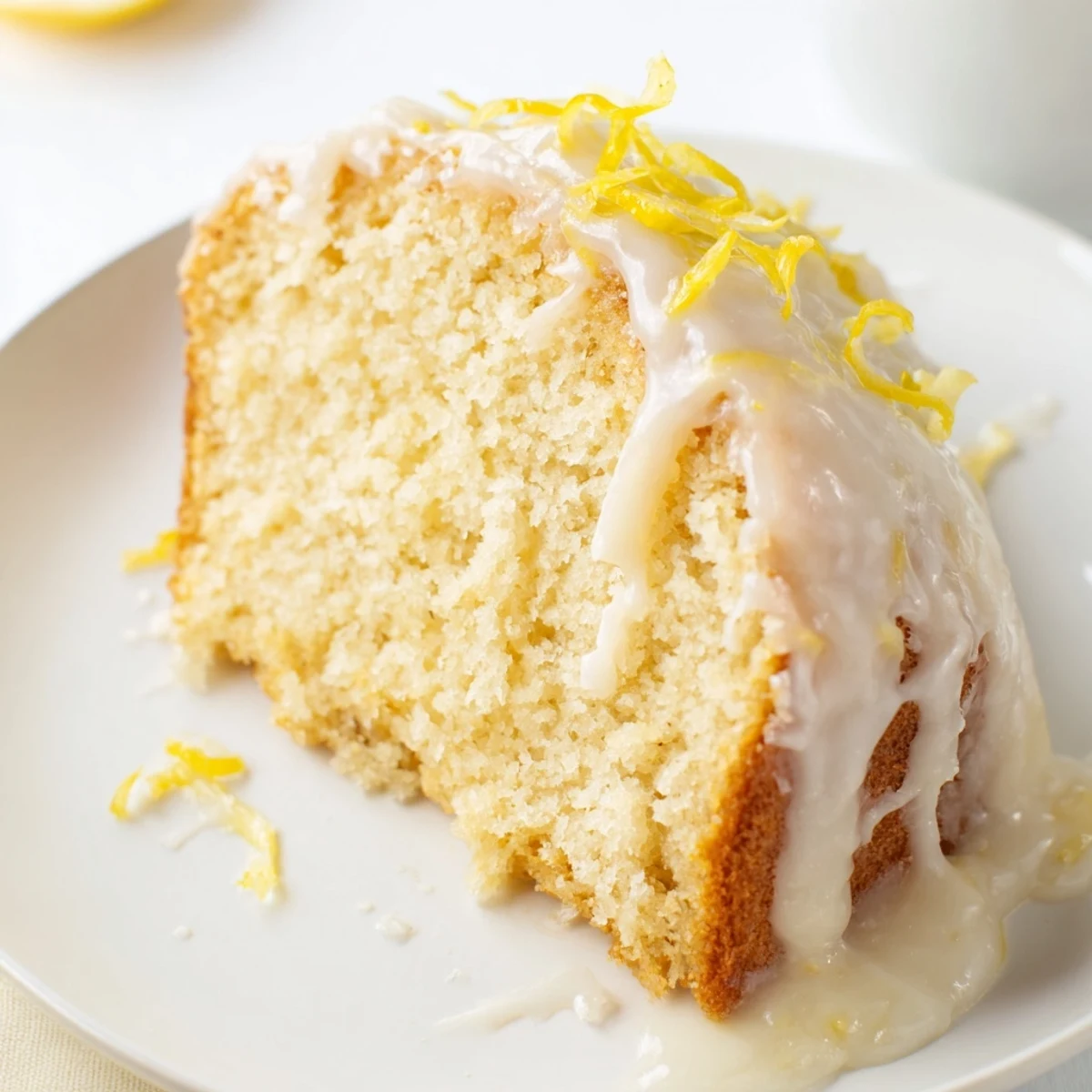
 This moist lemon cake slice offers a delicate crumb infused with fresh lemon zest and juice. Soft butter and eggs create a tender texture, balanced by a light lemon glaze that delivers a refreshing tang. Baked until golden and cooled for optimal flavor, it's perfect for afternoon tea or a light dessert. Simple ingredients and straightforward method yield a bright, flavorful treat that can be garnished with lemon zest or slices for extra zestiness.
There's something about the smell of lemon zest hitting a hot pan that makes me feel like I've stumbled onto a small kitchen secret. Years ago, I watched my neighbor frost a simple butter cake with lemon glaze while we stood in her kitchen on a Sunday afternoon, and I realized that the best desserts don't need to be complicated—they just need to sing. This cake does exactly that: bright, tender, and just tangy enough to make you reach for another slice before you've even finished the first.
I made this cake on an unreasonably gray Wednesday in March, the kind of day where the kitchen felt like the warmest room in the house. My daughter came home from school with that exhausted, hungry look only a seven-year-old can manage, and I'd already mixed the batter by the time she kicked off her shoes. When it came out of the oven with that perfect golden edge, and the whole house smelled like a lemon grove, she sat at the table and ate a warm slice with a glass of milk. She didn't say much, but that's how I knew it was right.
Ingredients
- All-purpose flour: This is your structure—don't skip sifting or whisking it with the baking powder and salt, because those tiny air pockets make all the difference in crumb texture.
- Granulated sugar: Works with butter to create that light, fluffy base that catches the lemon flavor perfectly.
- Unsalted butter, softened: Room temperature is non-negotiable here; cold butter won't cream properly and you'll lose that tender crumb everyone loves.
- Large eggs: They bind everything together and add richness, so don't even think about using smaller eggs.
- Lemon zest: This is where the magic lives—use a microplane and zest directly over the bowl so you don't lose those precious oils on the cutting board.
- Fresh lemon juice: Bottled won't give you that bright, living flavor that makes people pause and ask what it is.
- Milk: Creates a tender crumb by keeping the flour from overdeveloping gluten.
- Baking powder: The gentle leavening agent that gives you height without the egg-heavy taste.
- Powdered sugar for glaze: Dissolves smoothly into the lemon juice to create that silky coating that hardens just enough to slice cleanly.
Instructions
- Prepare your pan and heat your oven:
- Preheat to 350°F and line an 8x8-inch pan with parchment paper so your cake releases without sticking and you can admire those clean edges. If you're feeling brave, you can skip the parchment and just grease it, but the parchment is worth the extra thirty seconds.
- Whisk the dry team:
- Combine flour, baking powder, and salt in a medium bowl—this distributes the leavening evenly so your cake rises in an even blush rather than humping up in the middle. Set it aside and don't touch it yet.
- Cream butter and sugar until it's light:
- This takes about 2–3 minutes with a mixer and is the foundation of tenderness; you're trapping tiny air bubbles that will expand in the oven. You'll know it's ready when it looks pale and fluffy, almost like frosting.
- Add eggs one at a time, then zest and juice:
- Each egg takes about 30 seconds to incorporate; rushing this makes the batter look curdled and broken, which ruins the texture. After both eggs are in, add the lemon zest, juice, and vanilla—the batter will look a bit loose, and that's exactly right.
- Alternate the flour and milk, starting with flour:
- Do flour, then milk, then flour again, mixing just until you don't see any white streaks. Overmixing develops gluten and makes you dense and tough instead of tender and delicate.
- Pour and smooth:
- Transfer to your pan and use a spatula to gently even out the surface so it bakes evenly. Don't stress if it's not perfect—this is about flavor, not Instagram.
- Bake until a toothpick comes clean:
- Watch it around 28 minutes; oven temperatures vary wildly, so check early rather than late. You want that toothpick to come out clean or with just a few moist crumbs, not wet batter.
- Cool it the right way:
- Leave it in the pan for 10 minutes so the structure sets, then turn it out onto a wire rack to cool all the way. This prevents the bottom from steaming and becoming soggy.
- Make the glaze and finish:
- Whisk powdered sugar and lemon juice until smooth and pourable—it should fall in ribbons from your whisk. Drizzle it over the cooled cake and let it harden for a few minutes before slicing.
 Save to Pinterest
 I remember the first time someone asked for a slice before it had even cooled completely, and I realized this cake had stopped being just dessert. It became the thing I reach for when I want to prove that something simple and honest tastes better than anything complicated.
Why Lemon Works Here
Lemon isn't just a flavor in this cake—it's the whole personality. It cuts through the richness of butter and eggs, keeps the sugar from feeling cloying, and makes you taste every single ingredient instead of just sweetness. The zest gives you those tiny flavor explosions, while the juice keeps the crumb impossibly tender because acid interferes with gluten development in the best possible way. It's the reason this cake feels bright and alive instead of heavy and forgettable.
Storing and Serving
This cake is at its absolute best the day it's made, when the glaze is still slightly tacky and the crumb is at peak moisture. It keeps in an airtight container for three days, though after that it starts to dry out unless you store it with a slice of bread (the bread sacrifices itself to keep the cake soft). Serve it at room temperature with tea or cold milk, and always slice it with a sharp, clean knife dipped in hot water between cuts.
Making It Your Own
This is the kind of recipe that begs for tiny variations once you understand how it works. You can push the lemon flavor further by adding a drop or two of lemon extract to the batter, garnish with thin candied lemon slices if you're feeling fancy, or dust it with confectioners' sugar instead of glazing it. I've even made it with Meyer lemons when they were in season, and the whole cake tasted softer and more floral—every lemon tells a different story.
- A few thin lemon slices candied in simple syrup make a stunning garnish that tastes as good as it looks.
- If your kitchen is warm, chill the batter for 15 minutes before baking so it doesn't spread too much in the pan.
- Leftover glaze keeps in the fridge for a week and is perfect drizzled over yogurt or ice cream.
 Save to Pinterest
 This cake reminds me that the best recipes are the ones that taste like someone made them with care and a light hand. Bake it, slice it, share it, and watch how something this simple becomes the thing people ask for.
Recipe FAQs
- → How do I achieve a moist texture in this lemon cake?
-
Using softened butter and a careful mix of wet and dry ingredients ensures a tender, moist crumb. Avoid overmixing the batter to keep it light.
- → What gives the cake its lemon flavor?
-
Fresh lemon zest and juice infuse the cake with bright citrus notes, enhanced by a tangy lemon glaze on top.
- → Can I substitute any ingredients for dietary needs?
-
For dairy-free options, replace butter and milk with plant-based alternatives. Gluten-free flour can replace all-purpose flour if needed.
- → How should the cake be stored after baking?
-
Store in an airtight container to maintain freshness for up to three days, keeping the glaze intact and the slice moist.
- → What is the best way to serve this lemon slice?
-
Allow the cake to cool completely and glaze it before slicing into squares. It pairs well with afternoon tea or as a light dessert.