
 Save to Pinterest
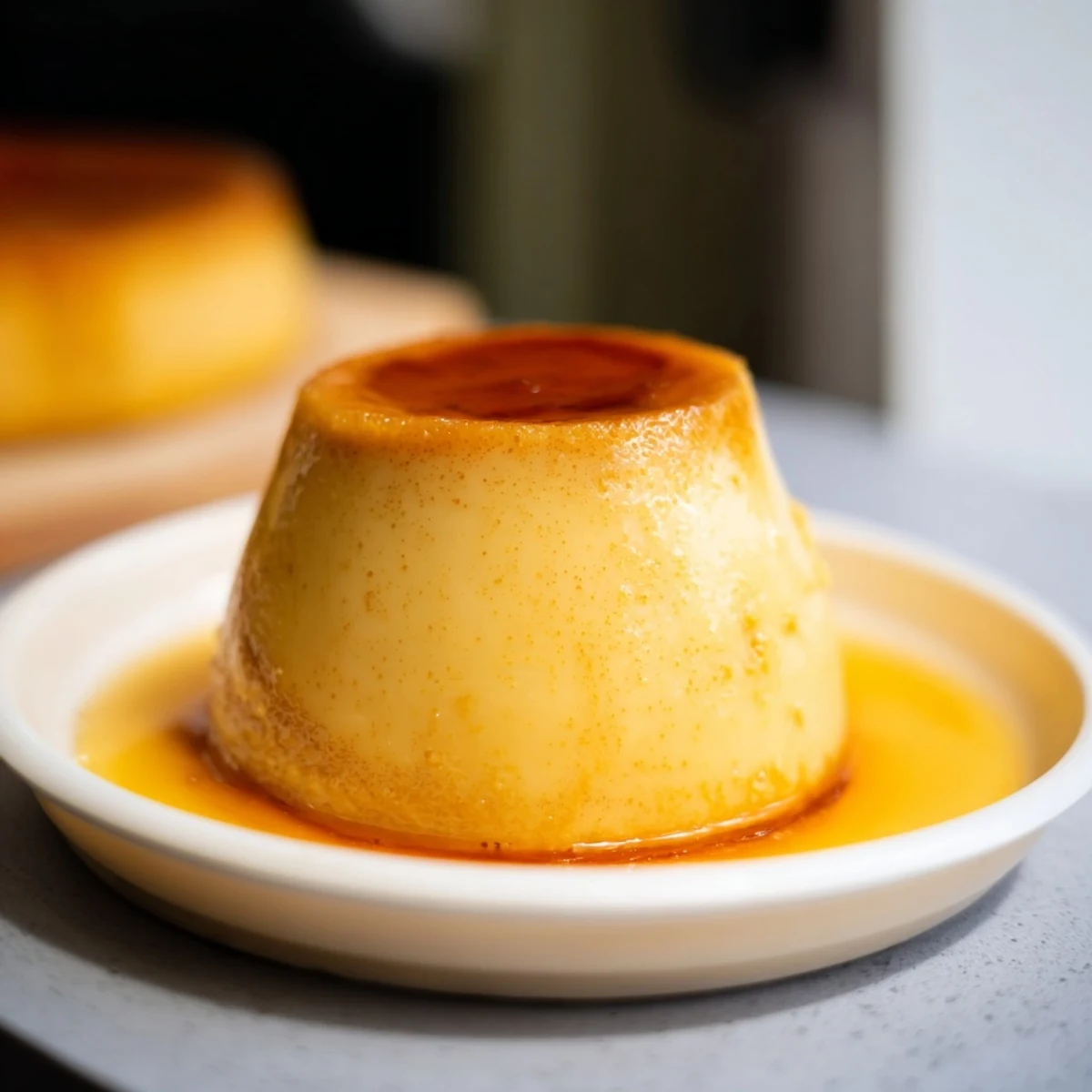
 A silky, comforting dessert made from simple ingredients featuring delicate vanilla aroma and golden caramelized top. This classic baked milk pudding creates a smooth custard texture with just the right balance of sweetness. Perfect for cozy evenings or as a refined finish to any meal, it's easy to prepare and always impressive.
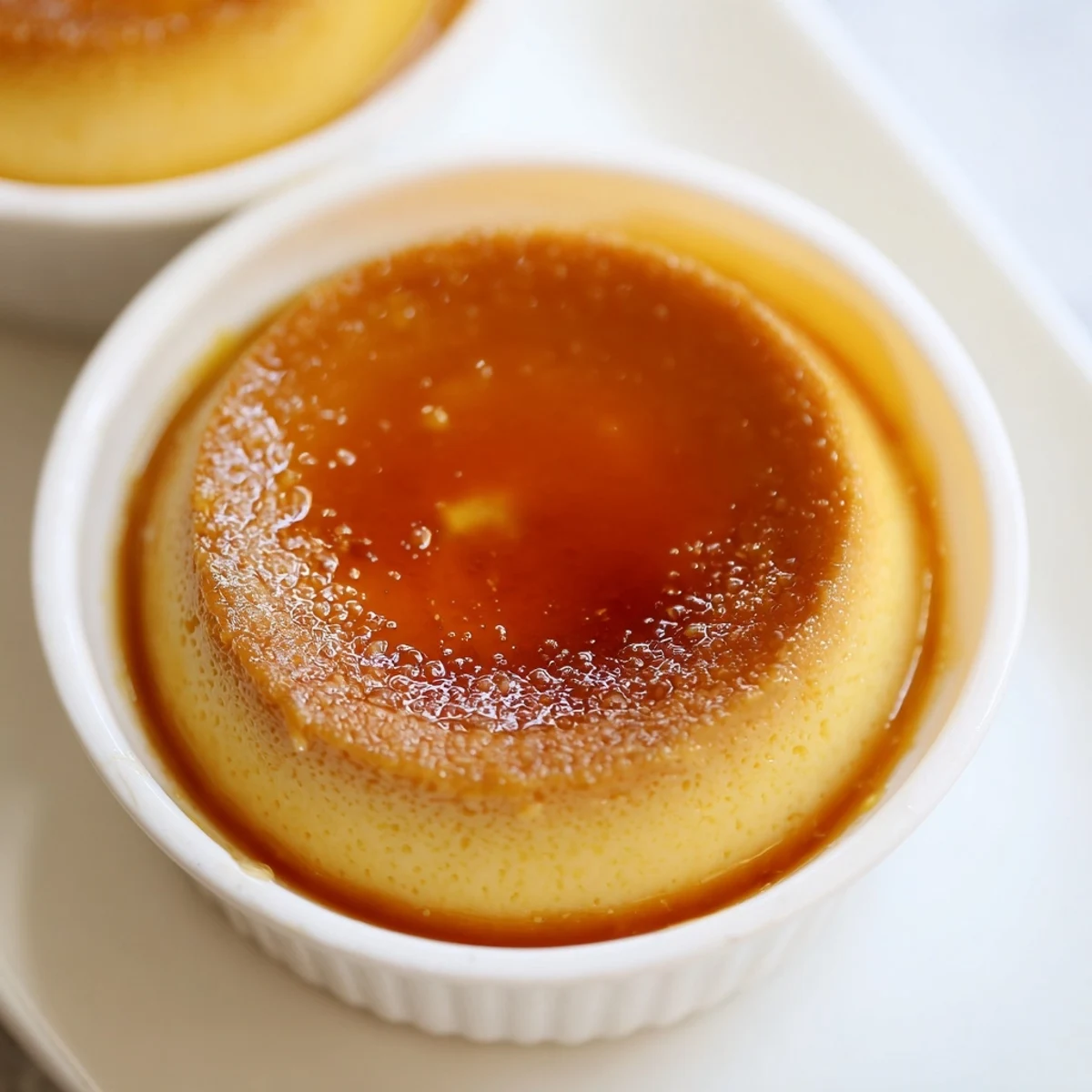
The pudding combines milk, cream, eggs, sugar, and vanilla, baked in a water bath until perfectly set but still slightly wobbly in the center. The optional caramelized sugar topping adds a beautiful golden finish that contrasts beautifully with the creamy texture underneath.
My grandmother used to make something similar on Sunday afternoons, the house filling with that warm vanilla scent that meant comfort better than anything else. I tried recreating it from memory years later and failed spectacularly five times before understanding that patience with the water bath was everything. Now whenever I pull that golden dish from the oven, still wobbling slightly in the center, Im back in her kitchen watching steam fog up the windows.
Last winter I made six individual ramekins for a dinner party, planning to impress everyone with the torch technique I had just learned. My husband accidentally bumped my arm while I was caramelizing the second one, and we ended up with a slightly singed kitchen cabinet but the most perfectly blistered sugar tops. Everyone asked for seconds, and nobody mentioned the black mark on the white paint until months later.
Ingredients
- 4 cups whole milk: The foundation of everything silky and rich. Ive tried lower fat versions and they just dont give you that luxurious mouthfeel.
- 1/2 cup heavy cream: This small addition makes all the difference between dessert and something that tastes like breakfast.
- 3 large eggs: Room temperature eggs incorporate more smoothly into the warm milk without scrambling.
- 3/4 cup granulated sugar: Split between the custard and the topping for balanced sweetness throughout.
- 2 tsp vanilla extract: Pure extract matters here. You can taste the difference.
- Pinch of salt: Just enough to make the vanilla sing and round out the sweetness.
- 2 tbsp extra sugar: For that glassy caramelized crust that makes restaurant desserts so appealing.
Instructions
- Prep your oven and dish:
- Preheat to 325°F and butter your baking dish or ramekins thoroughly. The steam from the water bath will help the custard cook evenly.
- Gently heat the dairy:
- Combine milk and cream in a saucepan over medium heat until just steaming. You want it hot but not boiling or it might scramble the eggs later.
- Whisk the base:
- Beat eggs with sugar, vanilla and salt until pale and smooth. This creates that beautiful uniform texture.
- Combine carefully:
- Slowly pour hot milk into eggs while whisking constantly. This gradual tempering prevents curdling.
- Strain for silkiness:
- Pour through a fine sieve into a pitcher. This catches any cooked bits and guarantees smooth custard.
- Set up the water bath:
- Fill your baking dishes and place them in a roasting pan. Add hot water until halfway up the sides.
- Bake until just set:
- Cook for 40 to 45 minutes. The center should still wobble slightly when you gently shake the pan.
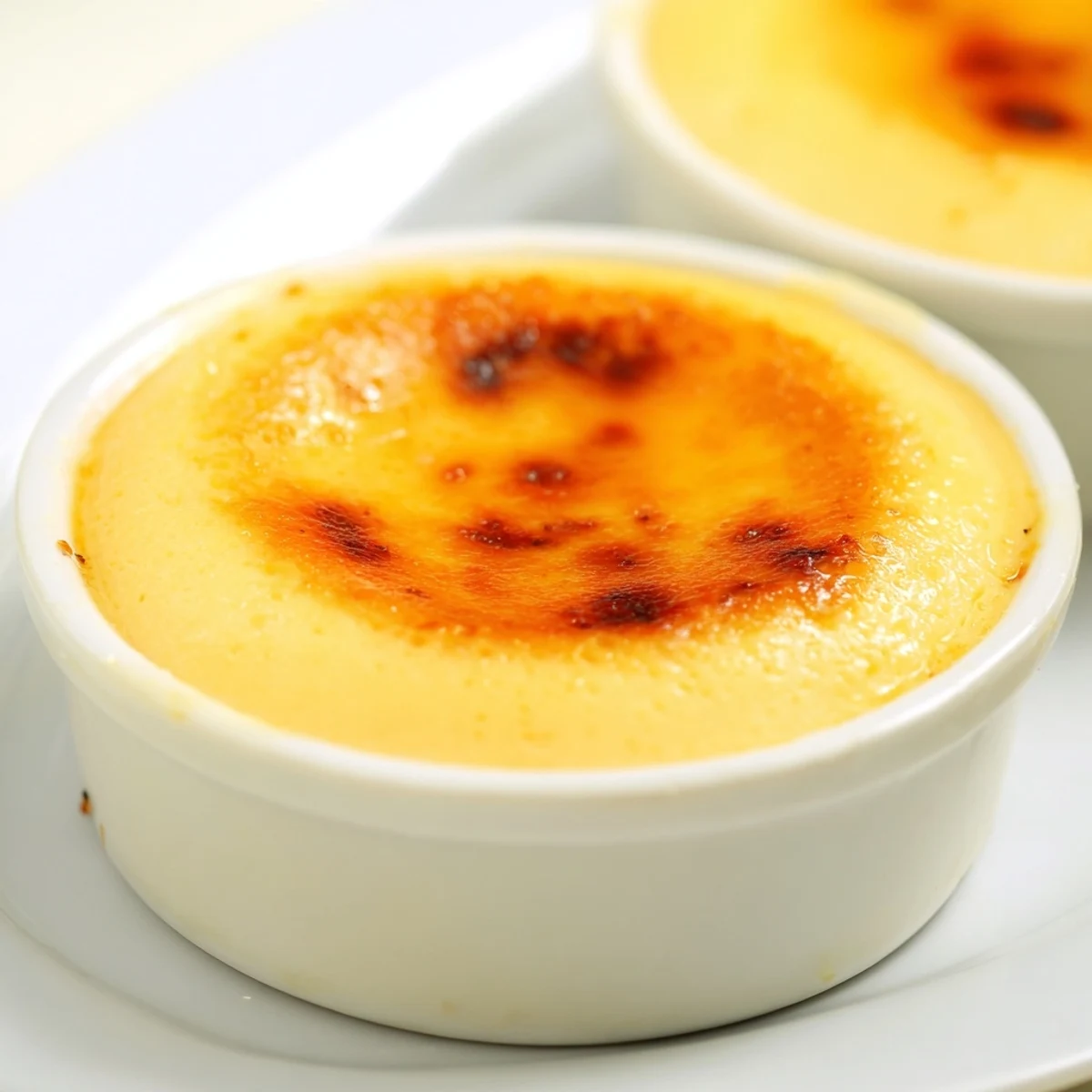
- Create the caramel top:
- Let cool slightly, sprinkle with sugar and torch or broil until golden and bubbling.
 Save to Pinterest
 My daughter requested this for her eighth birthday instead of cake, and watching her blow out the candle over that caramelized sugar crust felt like passing down something more precious than just a recipe. She now makes it better than I do, with the instinctive timing that comes from loving something enough to practice until you understand it completely.
Making It Your Own
Ive discovered that infusing the milk with a vanilla bean pod or lemon zest before adding it to the eggs creates layers of flavor that make people ask whats your secret. Just heat the dairy with your flavor addition, let it steep for 20 minutes, then reheat before combining with the eggs.
Timing Is Everything
The custard continues cooking after it comes out of the oven, which is why removing it while still slightly jiggly in the center is crucial. I set a timer for 40 minutes and check every few minutes after that. Better to slightly underbake than to end up with something rubbery and sad.
Serving Suggestions
This pudding loves fresh berries, especially tart ones like raspberries that cut through the richness. A dusting of cinnamon or nutmeg over the caramelized top adds warmth that feels especially right during colder months.
- Warm it slightly before serving if its been refrigerated. The texture transforms.
- Plan to eat it within a day or two. That silky quality fades in the fridge.
- Individual ramekins make guests feel special and portion control effortless.
 Save to Pinterest
 Some desserts are about technique and precision, but this one is about patience and paying attention to small details. The reward is worth every minute of waiting.
Recipe FAQs
- → Can I make this pudding ahead of time?
-
Yes, this pudding is best enjoyed the day it's made, but it can be refrigerated for up to 2 days. Simply reheat gently before serving if you prefer it warm.
- → What's the purpose of the water bath during baking?
-
The water bath (bain-marie) creates gentle, even heat that prevents the pudding from curdling and ensures a smooth, silky texture throughout.
- → Can I use different milk fat percentages?
-
Whole milk works best for richness, but you can use 2% milk for a lighter version. For a richer result, increase the heavy cream to 3/4 cup.
- → How do I know when the pudding is properly baked?
-
The pudding is ready when it's set but still slightly wobbly in the center. It will continue to set as it cools. A knife inserted should come out mostly clean.
- → What are good serving suggestions?
-
Serve warm or chilled, with fresh berries, a dusting of cinnamon, or a dollop of whipped cream. The caramelized top adds beautiful visual appeal and extra sweetness.