
 Save to Pinterest
 Start by kneading a soft yeast dough and letting it rise for about 60 minutes. Divide into 12 pieces, shape rounds and spoon in a filling of crumbled feta, shredded mozzarella, chopped parsley, nigella (optional) and egg white. Fold into sealed triangles or ovals, brush with egg yolk wash, and bake at 190°C (375°F) for 18–22 minutes. Yields 12 warm, golden parcels ready in roughly 45 minutes; serve with mint, tomatoes or olives.
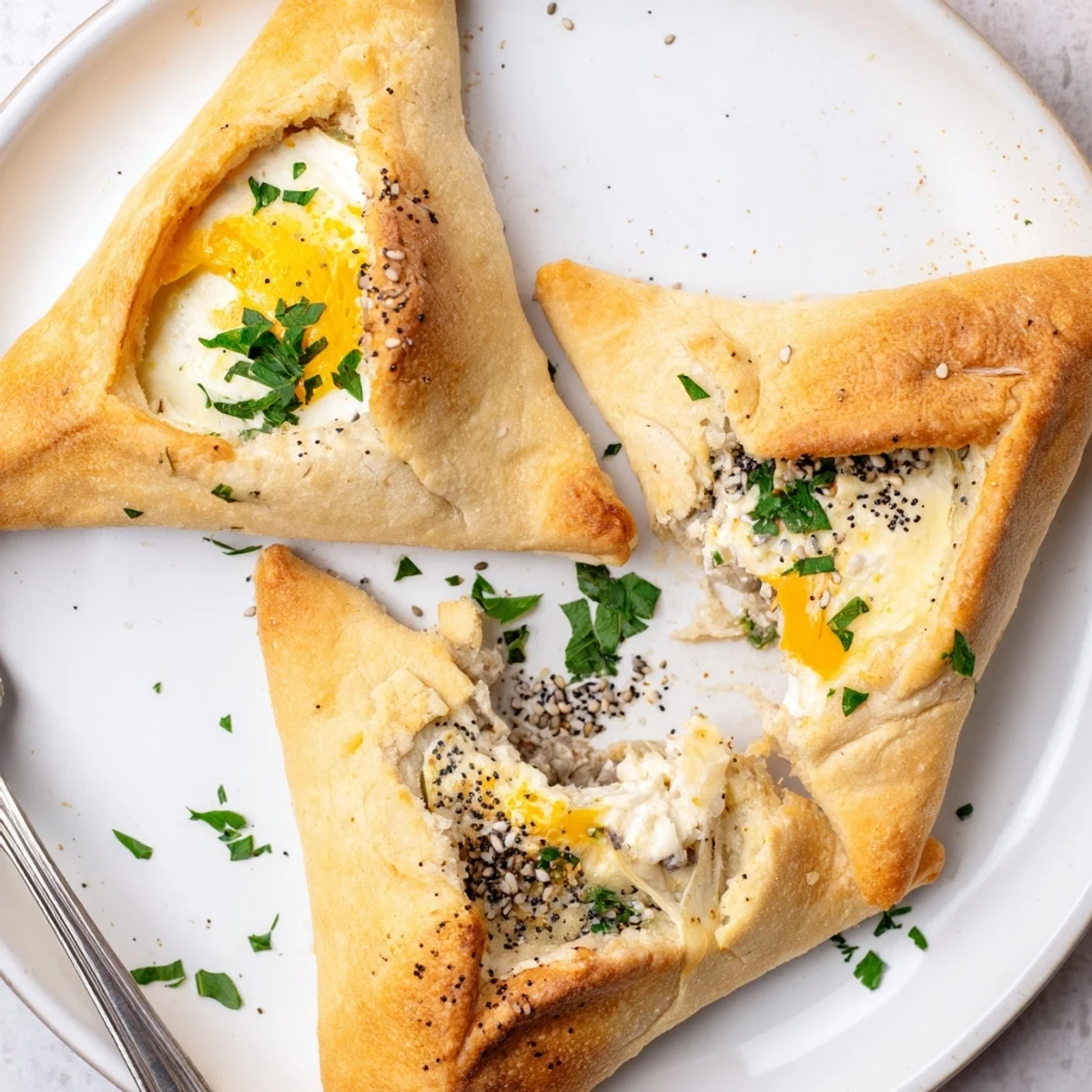
The sound of dough being kneaded on my marble countertop always puts me in the right mindset for making something special, and cheese fatayer is one of those joys. A swirl of savory cheese tucked inside a golden pastry, these have become my shortcut to a lighter mood on any day. One batch usually ends up disappearing before it even cools down. The scent that pours out of the oven is as inviting as a warm hug.
Last spring, I whipped up a tray for a backyard picnic with friends, thinking they’d last through the afternoon—they disappeared in less than fifteen minutes. Watching everyone tear into the puffy, just-baked pockets with messy hands convinced me this is the kind of food that makes memories, not just meals.
Ingredients
- All-purpose flour: The backbone for a soft, workable dough that bakes up pillowy with a golden crust. Sifting helps prevent any lumps.
- Instant dry yeast: It gives the dough a gentle rise, and letting it bloom properly brings the pastries extra lightness.
- Sugar: This tiny amount wakes up the yeast and adds the faintest touch of sweetness.
- Salt: Try not to skip or reduce—it sharpens all the flavors in the dough.
- Olive oil: Richness and a supple texture come from a good pour of olive oil, preferably fruity and green.
- Warm milk: The warmth is crucial for a smooth, elastic dough—too hot can kill the yeast, too cold and your dough will take forever to rise.
- Feta cheese: It melts just enough but keeps its tang, making your filling both creamy and bold.
- Mozzarella cheese: Adds that irresistible meltiness to contrast the crumbly feta.
- Fresh parsley: The herbaceous lift prevents the filling from feeling overly rich.
- Nigella seeds or black sesame seeds: Optional, but they bring a gently peppery crunch you’ll crave.
- Egg white: Stirred into the cheese, it helps bind the filling so it doesn’t ooze out during baking.
- Freshly ground black pepper: A couple of cracks over the filling mix perks everything up beautifully.
- Egg yolk: When brushed on top, it creates that bakery-ready golden shine.
- Milk or water: Mixed into the egg yolk for easy brushing and an even browning.
Instructions
- Mix and Knead the Dough:
- As you stir flour, yeast, sugar, and salt together, the kitchen fills with anticipation—drizzle in olive oil and slowly add warm milk while kneading until the dough becomes smooth and just springy under your palms. Cover and let it rest in a cozy spot; watching it double in size is its own little magic show.
- Make the Cheese Filling:
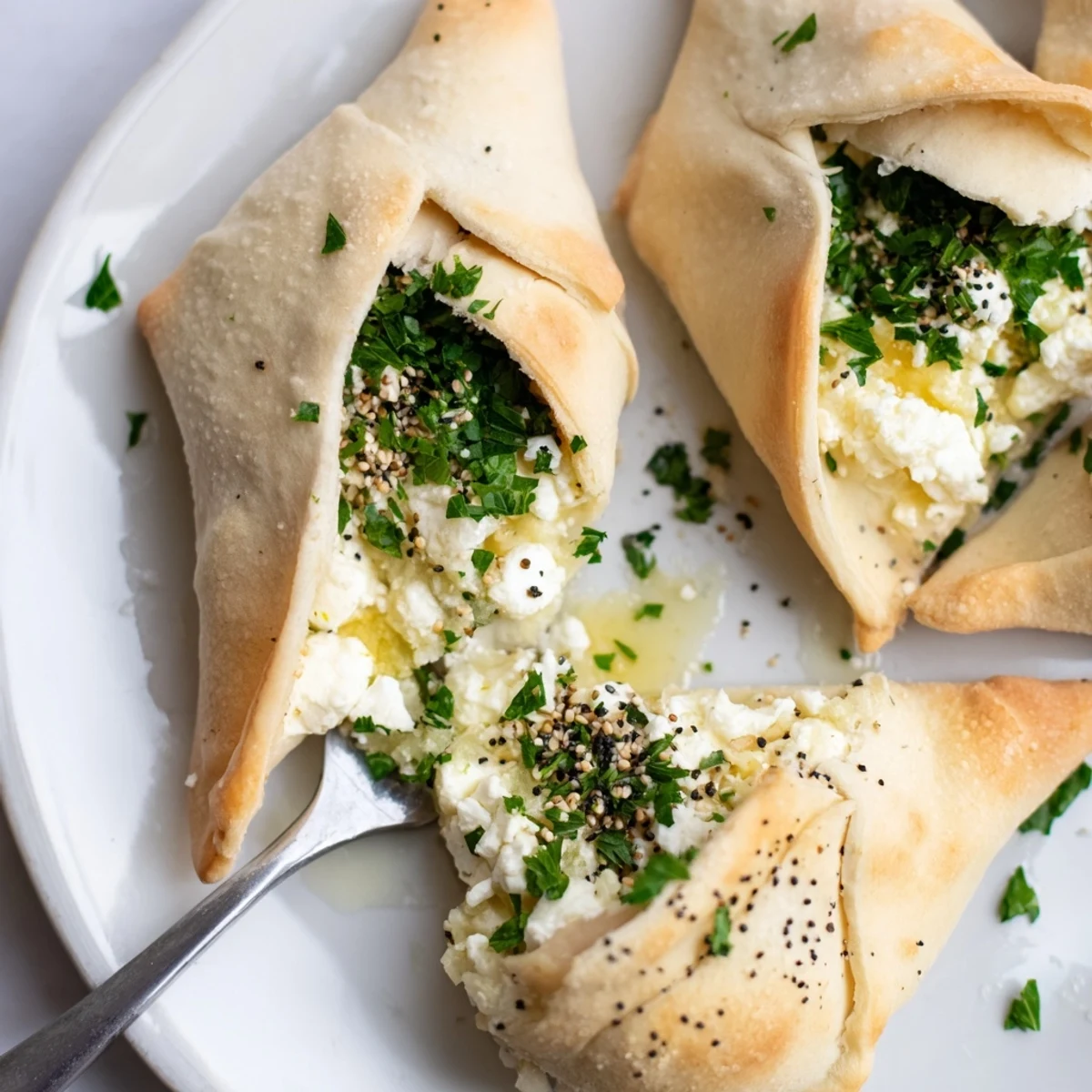
- In a separate bowl, combine crumbled feta, shredded mozzarella, parsley, seeds if using, egg white, and a touch of black pepper—the mixture should be creamy but not runny, fragrant with herbs and that signature cheesy aroma.
- Prep for Baking:
- Preheat your oven to 375°F and line a baking sheet with parchment—the gentle rustle promises easy clean-up later.
- Shape the Fatayer:
- Punch down the risen dough, then divide into 12 balls; rolling each into a small circle, you'll feel the dough become softer as you go. Place a generous spoonful of filling in the center, then fold the edges up and pinch to seal firmly, aiming for neat triangles or rustic ovals.
- Egg Wash and Bake:
- Arrange the shaped fatayer on your lined sheet, then brush each with the egg yolk-milk mixture for a glossy finish. Bake for 18–22 minutes, listening for the sizzle as the edges turn deep golden brown, and let them cool just slightly before serving.
 Save to Pinterest
 The first time my niece helped me make these, she pinched the corners a little too gently, resulting in runaway cheese and a baking tray full of giggles—it’s a flaw we still laugh about whenever we bake together.
The Joy of Folding and Filling
There’s something meditative about shaping each piece by hand—it’s a chance to slow down and let your fingers guide the dough, pressing and folding. Sometimes I end up with odd shapes, but that homemade look makes each bite more special.
Choosing Cheeses That Pop
Taste your cheeses first! Feta brands vary wildly—some are tangier, others creamier, and you can always stir in a little ricotta or halloumi to find your perfect blend.
Serving Fatayer Your Way
Fatayer can be a star at brunch, tucked into lunchboxes, or brought along for potlucks—sometimes I serve them with tiny dishes of yogurt dip and olives for a spread that never fails to impress.
- Reheat leftovers in the oven for the best texture.
- Pair with fresh herbs or tomatoes for balance.
- Give the tops a sprinkle of nigella seeds just before baking for extra flavor.
 Save to Pinterest
 Whether you serve them warm for guests or sneak one straight from the tray, cheese fatayer promises a little pocket of comfort and flavor in every bite.
Recipe FAQs
- → Can I swap the cheeses?
-
Yes. Combine salty cheeses like feta with milder, melty cheeses such as mozzarella or ricotta to balance texture and flavor; halloumi can add firmness if crumbled finely.
- → How do I avoid a soggy filling?
-
Use a firmer curd (drained feta), add an egg white to bind moisture, and don't overfill. Ensure dough circles are not too thin around the center to prevent leaks.
- → Can dough be prepared ahead of time?
-
Yes. After the first rise, punch down and refrigerate the dough in an airtight container for up to 24 hours. Bring back to room temperature before shaping and filling.
- → What’s the best way to reheat leftovers?
-
Reheat in a preheated oven at 180°C (350°F) for 8–10 minutes to restore crispness. Avoid the microwave if you want to keep the exterior flaky.
- → Can I freeze fatayer before baking?
-
Freeze arranged, unbaked parcels on a tray until firm, then transfer to a sealed bag. Bake from frozen, adding a few extra minutes to the bake time, brushing with egg wash first.
- → How should I seal the edges to prevent opening?
-
Pinch seams firmly and press edges together, optionally wetting the rim lightly with water or egg white to create a stronger seal before folding into triangles or ovals.