
 Save to Pinterest
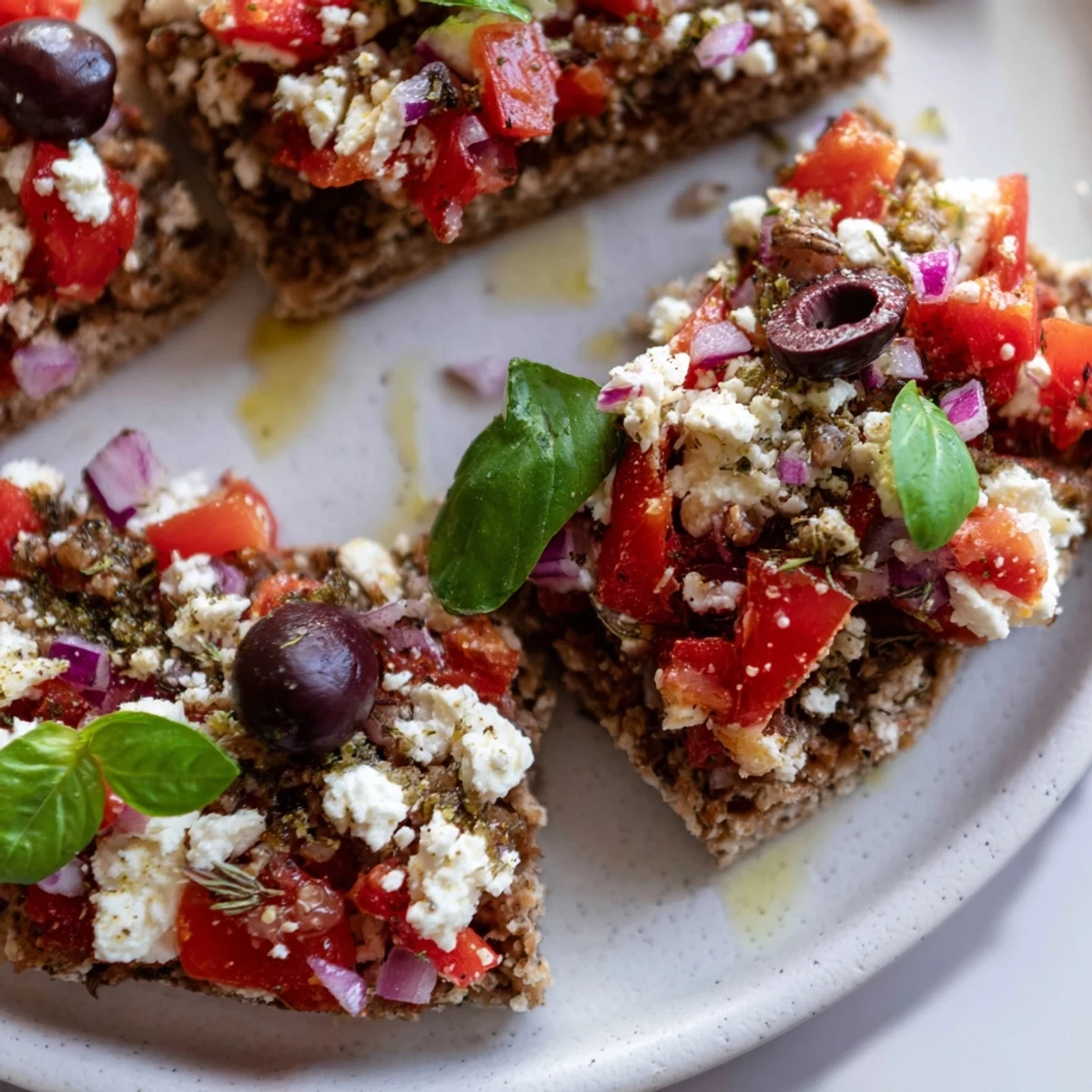
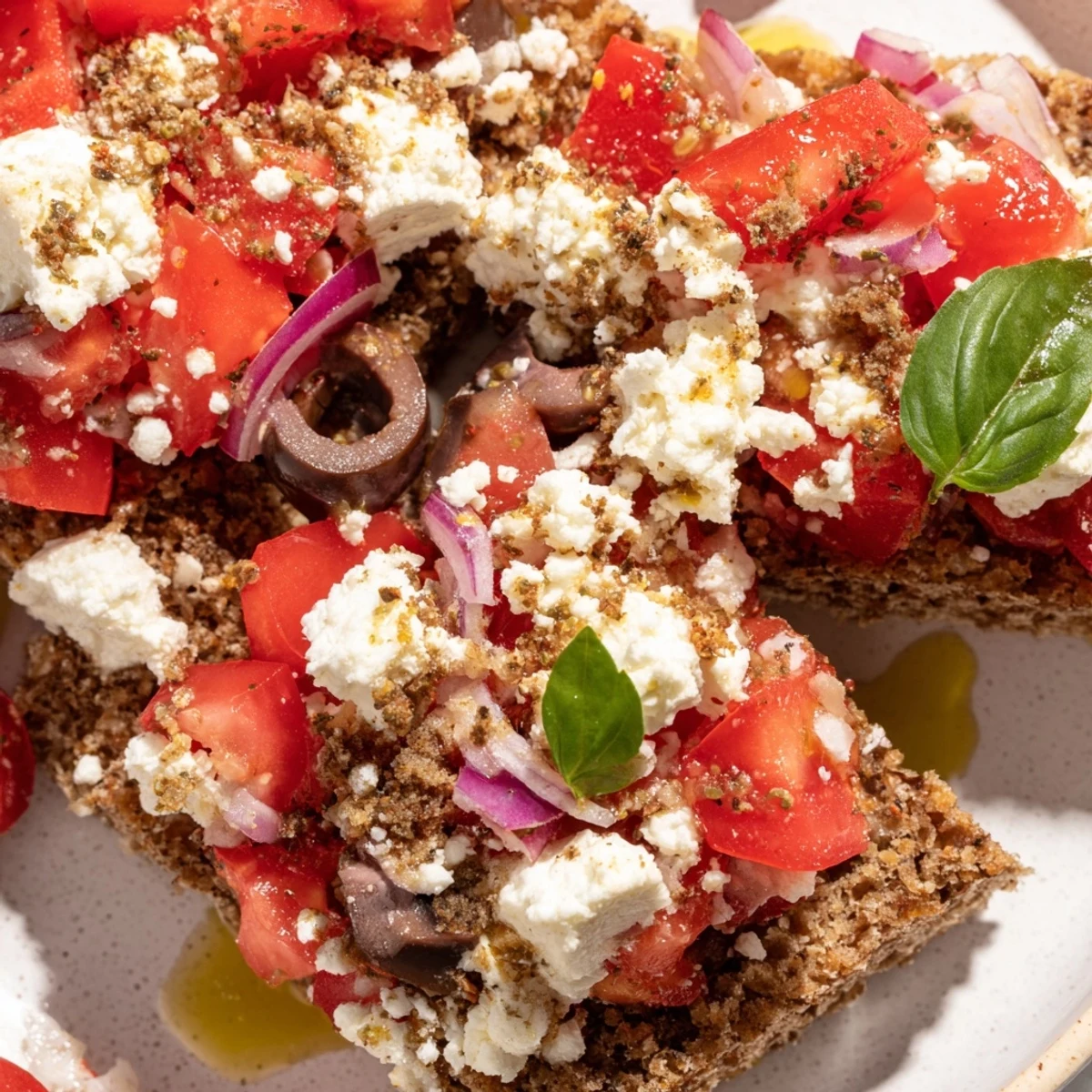
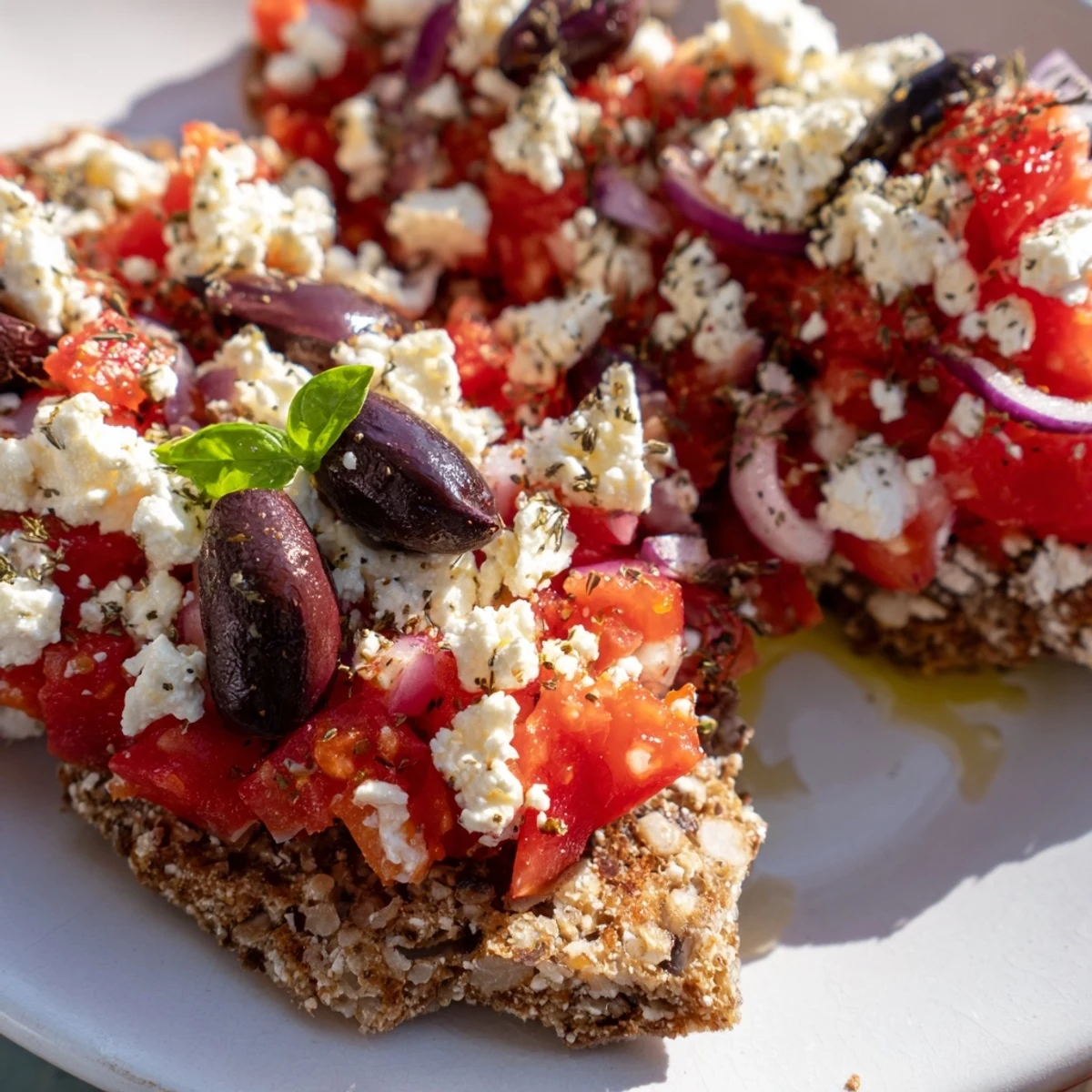
 Crispy Cretan feta rusks bring together the best of Mediterranean flavors in a simple, satisfying bite. Hearty barley rusks are lightly toasted, then topped with juicy diced tomatoes, crumbled feta cheese, and a generous drizzle of extra virgin olive oil.
A sprinkle of dried oregano and freshly ground black pepper ties everything together. Ready in just 25 minutes, they make an ideal appetizer or light lunch for warm-weather gatherings.
This traditional dish from the island of Crete highlights how a few quality ingredients—ripe tomatoes, good feta, fragrant oregano, and peppery olive oil—can create something truly memorable.
The afternoon sun was hammering the terrace when my friend Yiota handed me something that looked almost too simple to matter: a rough, golden rusk piled with tomato and crumbled feta, glistening with olive oil. One bite and I understood everything about Cretan cooking in a single mouthful. The crunch, the tang, the herbal whisper of oregano hanging in the warm air. I demanded the recipe on the spot, and Yiota laughed because there barely is one.
I made these for a potluck once, expecting them to be the filler nobody touched while the fancy dishes got all the attention. They vanished in the first ten minutes, and three separate people asked me for the recipe before the night was over.
Ingredients
- 8 large Cretan barley rusks (dakos): These are the backbone of the dish, so track down the real thing if you can. They look impossibly hard, almost like doorstops, but that sturdy texture is exactly what makes them work when everything wet piles on top.
- 200 g feta cheese, crumbled: Use a firm Greek feta packed in brine, not the pre crumbed dry stuff in tubs. The creaminess against the crunch is what makes each bite satisfying.
- 3 medium ripe tomatoes, finely diced: Wait until your tomatoes actually smell like tomatoes before making this. In winter, cherry tomatoes roasted for a few minutes work better than flavorless supermarket beefsteaks.
- 1 small red onion, finely chopped: Soak the pieces in cold water for five minutes if you find raw onion aggressive. It tames the bite without losing the sharp freshness.
- 4 tbsp extra virgin olive oil: This is not the place for cooking oil. Use the best peppery, grassy oil you have because it sits on top and you taste every drop.
- 1 tsp dried oregano: Greek oregano specifically, rubbed between your palms right over the rusks to wake up the oils.
- Freshly ground black pepper: Be generous. The pepper and oregano together are what make this taste Greek instead of just cheese on toast.
- Sea salt: Go easy because the feta and olives carry salt already.
- Optional: Kalamata olives, pitted and sliced: Scatter them on if you have them.
- Optional: Fresh basil or parsley leaves: A handful of torn leaves at the end makes everything look and taste brighter.
Instructions
- Wake up the oven:
- Preheat to 180 degrees C (350 degrees F) and let it come fully to temperature. A properly hot oven gives the rusks that toasty warmth without actually cooking them.
- Prepare the rusks:
- Arrange the barley rusks on a baking tray and flick a little water over each one with your fingers. You are not soaking them, just coaxing the surface to soften enough that they will not shatter your teeth.
- Toast briefly:
- Bake for 7 to 10 minutes until the rusks feel warm and the edges have darkened slightly. Your kitchen will start smelling like a bakery.
- Olive oil first:
- Take them out and, while they are still warm, drizzle about a tablespoon of your best olive oil over each rusk. The warmth helps the oil soak in just slightly rather than pooling on top.
- Layer the tomatoes and onion:
- Spoon the diced tomatoes evenly over each rusk, letting the juices seep into the rough surface, then scatter the chopped onion on top. Do not be tidy about it.
- Crumble the feta generously:
- Break the feta into rough, uneven pieces with your fingers and pile it on. The varied sizes mean some bites are creamy and others have a sharp, salty punch.
- Season and finish:
- Sprinkle with oregano rubbed between your palms, a solid crack of black pepper, and a cautious pinch of sea salt. Drizzle any remaining olive oil over everything and tuck a few olives and herb leaves on top if you are using them.
- Serve right away:
- These wait for nobody. Hand them out immediately while the rusks are still crunchy and the feta has not had time to settle into the tomatoes.
 Save to Pinterest
 There is something about eating these standing up, barely out of the kitchen, that feels more right than plating them properly at a table.
Cheese Swaps Worth Trying
Feta is traditional but far from the only path. I once used fresh mizithra from a local cheese shop and the result was milder, almost sweet, and dangerously easy to eat. A good goat cheese works beautifully too, especially if you prefer something less briny.
What to Drink Alongside
A glass of something cold and crisp turns this from a snack into a proper meal. Assyrtiko from Santorini is the classic match, its mineral bite cutting right through the richness of the olive oil and feta. A Sauvignon Blanc works just as well if that is what the fridge holds.
Making It Your Own
Once you have the basic formula down, the topping possibilities are wide open. Think of the rusk as a canvas and add whatever sounds good.
- Diced cucumber adds a cool crunch that balances the saltiness beautifully.
- Scattered capers bring a briny pop that works especially well in summer.
- A handful of chopped green peppers stirred into the tomato mix adds color and a fresh bite.
 Save to Pinterest
 Keep a napkin handy, pour something cold, and do not wait for a special occasion. This is everyday food at its most honest and satisfying.
Recipe FAQs
- → What type of rusks work best for this dish?
-
Traditional Cretan barley rusks, known as dakos, are ideal because of their dense, hearty texture that holds up well under toppings without becoming soggy. If you cannot find them, any sturdy whole grain rusk or hard bread will work as a substitute.
- → Can I prepare the toppings ahead of time?
-
Yes, you can dice the tomatoes and chop the onion in advance, then store them separately in the refrigerator for up to a day. However, assemble the rusks just before serving to maintain the satisfying contrast between the crunchy base and the fresh toppings.
- → Why do you sprinkle water on the rusks before baking?
-
A light sprinkling of water softens the extremely hard surface of traditional barley rusks just enough so they do not feel like eating solid stone, while still keeping plenty of crunch. The brief bake then dries the surface back out, giving you the perfect balance of crispy and slightly tender.
- → What cheese can I use instead of feta?
-
Fresh mizithra is a wonderful Greek alternative that offers a milder, creamier flavor. Goat cheese also works beautifully, adding a pleasant tanginess. For a richer result, try combining feta with a spoonful of thick Greek yogurt.
- → What wine pairs well with Cretan feta rusks?
-
A crisp, acidic white wine like Assyrtiko from Santorini or a Sauvignon Blanc complements the salty feta and herbaceous oregano perfectly. If you prefer red wine, a light-bodied Pinot Noir or a chilled rosé also works nicely alongside these Mediterranean flavors.
- → How should I store leftovers?
-
Leftovers are best enjoyed within a few hours, as the rusks will gradually absorb moisture from the tomatoes and lose their signature crunch. If you must store them, keep the rusks and toppings separate in airtight containers in the refrigerator and assemble when ready to eat.