
 Save to Pinterest
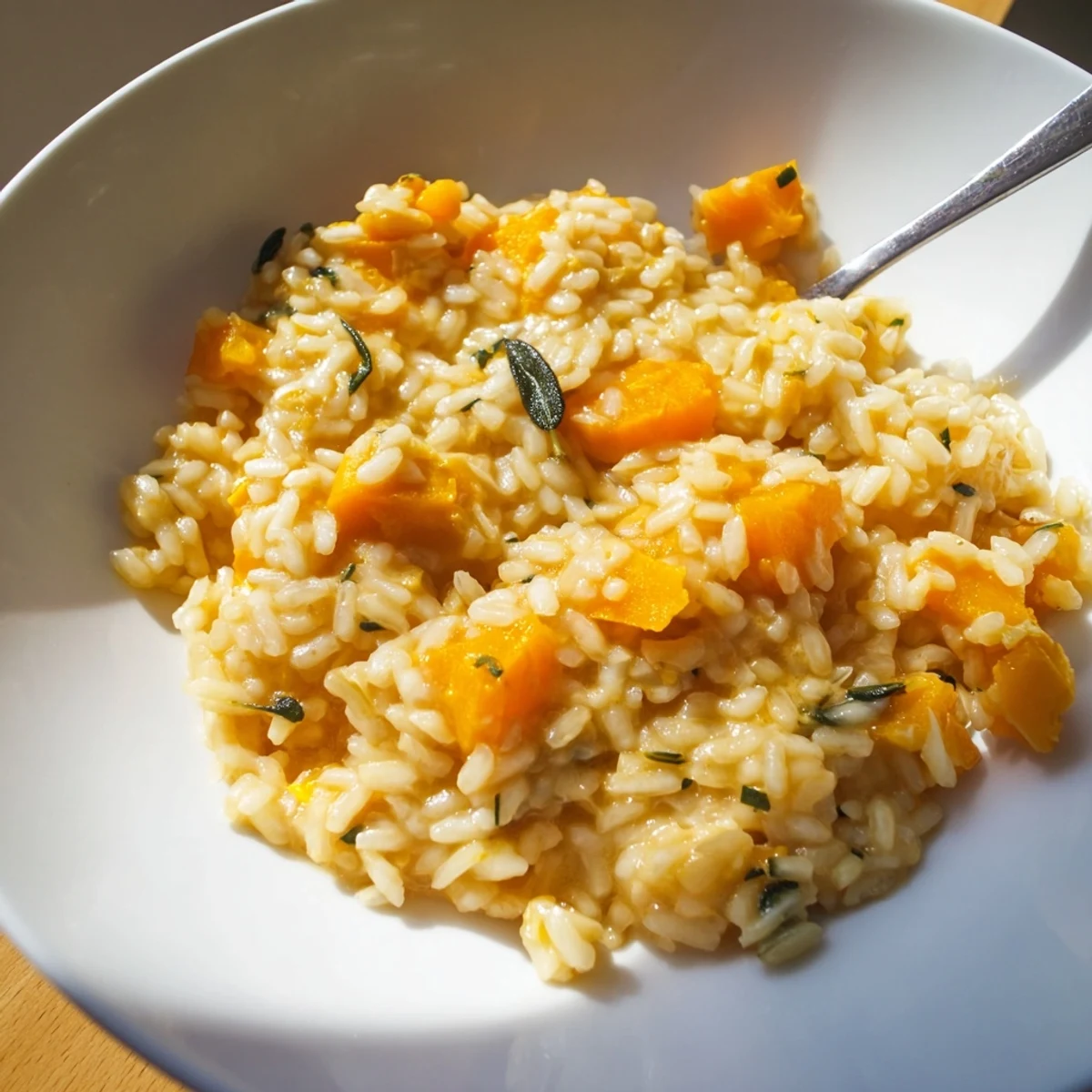
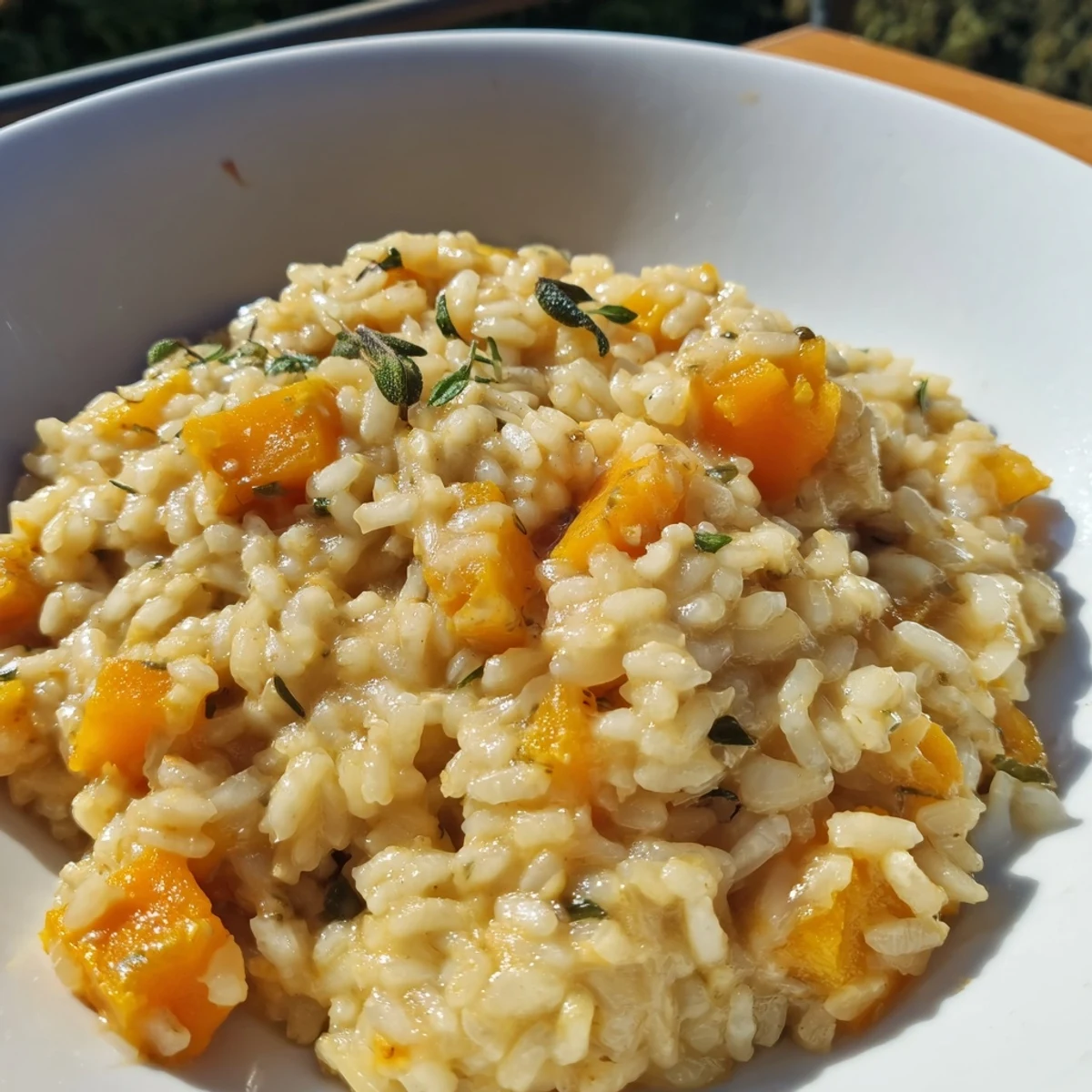
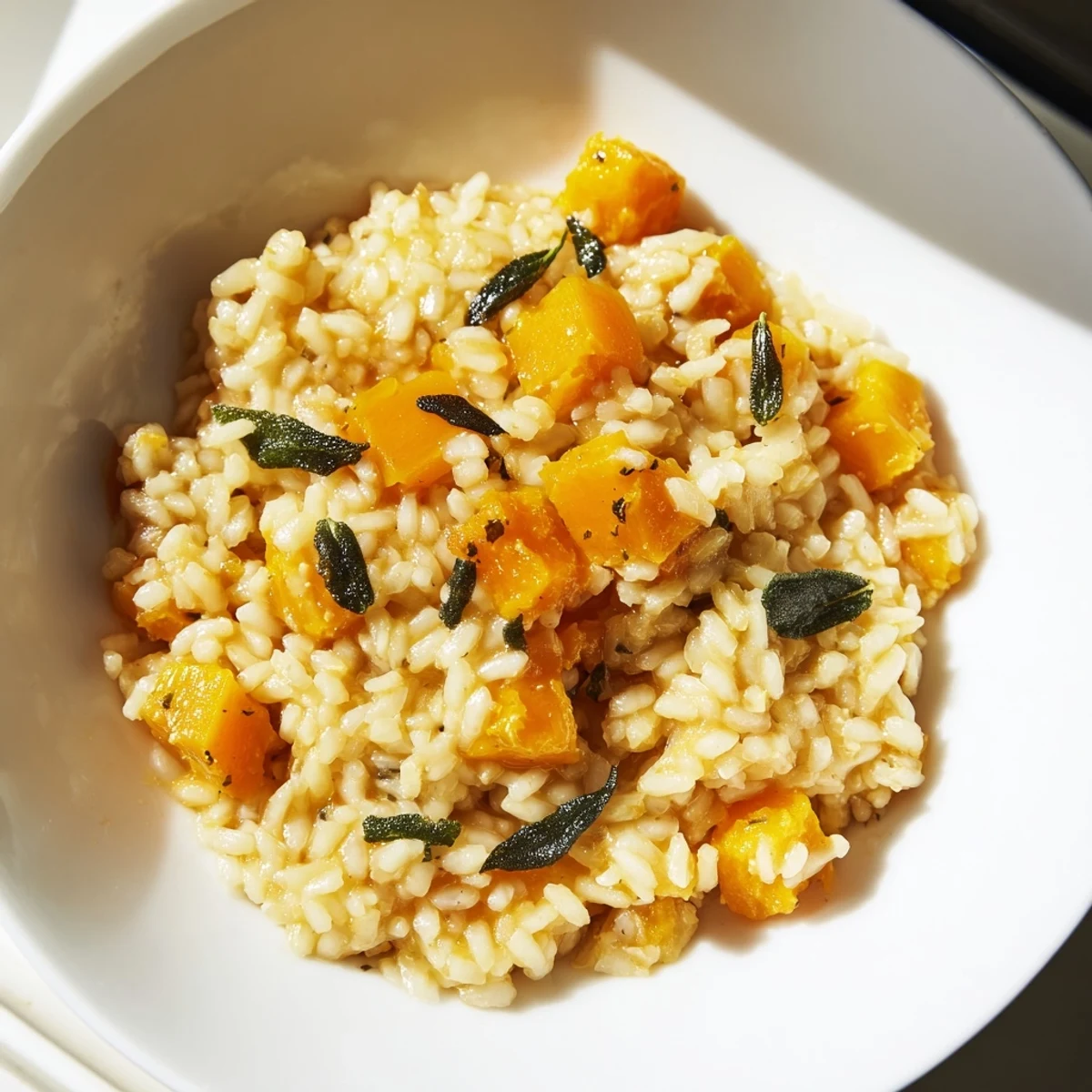
 This comforting Italian risotto combines creamy Arborio rice with sweet, tender winter squash and aromatic fresh sage. The dish builds flavor gradually as you slowly incorporate warm broth into toasted rice, creating the signature creamy texture while the squash softens into the mixture.
Finished with butter, Parmesan, and chopped sage, this risotto offers a luxurious dining experience that's vegetarian and gluten-free (with appropriate broth). Perfect for chilly evenings, this medium-difficulty dish serves four and takes about 50 minutes from start to finish.
The first time I made winter squash risotto was on a frigid November evening when the wind rattled my kitchen windows. I'd brought home a gorgeous kabocha squash from the farmers market, its deep green skin promising sweetness inside. The rhythmic stirring of the risotto became a meditation as the kitchen filled with the aroma of sage and the gentle steam fogged my glasses.
Last winter, my neighbor knocked on my door during a power outage, looking stressed about the dinner party she could no longer host. We carried her prepped ingredients to my gas stove by candlelight and made this risotto together while her guests arrived with extra wine. What could have been a disaster turned into one of those magical evenings where strangers became friends over steaming bowls of squash risotto.
Ingredients
- Arborio rice: This starchy short-grain rice creates that signature creamy texture without becoming mushy, and I learned the hard way not to substitute other rice varieties.
- Winter squash: Butternut works beautifully, but kabocha has a sweet, almost chestnut-like flavor that elevates the entire dish.
- Fresh sage: The slightly piney, earthy quality of fresh sage pairs perfectly with winter squash, and dried simply cannot compare.
- Dry white wine: It adds crucial acidity that balances the richness, but I once used vermouth in a pinch and it was a delightful discovery.
- Warm broth: Adding cold broth shocks the rice and interrupts the cooking process, so I keep mine steaming in a small pot next to the risotto.
Instructions
- Sauté the foundations:
- Heat olive oil and a tablespoon of butter until it shimmers, then add your finely chopped onion and cook until it becomes translucent and soft. The kitchen should start smelling like comfort already.
- Introduce the stars:
- Add the minced garlic and diced squash, stirring occasionally as the squash begins to soften. Youll notice the edges becoming slightly translucent as they release their sweetness.
- Toast the rice:
- Add the Arborio rice and stir for about two minutes until each grain is glistening with oil. Listen for a subtle change in sound as the rice begins to toast ever so slightly.
- Begin the wine ritual:
- Pour in the white wine and inhale that incredible aroma as it hits the hot pan. Stir continuously until most of the liquid has been absorbed.
- Embark on the broth journey:
- Add warm broth one cup at a time, stirring frequently and allowing each addition to be mostly absorbed before adding the next. This meditative process will take about 20-25 minutes.
- Create the magic finish:
- When the rice is tender but still has a slight bite and the squash has melted into creamy submission, stir in the remaining butter, Parmesan, chopped sage, salt, and pepper. The transformation from ingredients to silky perfection happens right before your eyes.
- Rest and savor:
- Let the risotto rest covered for two minutes before serving. This brief pause allows the flavors to settle and the texture to reach its ideal creaminess.
 Save to Pinterest
 My daughter, who typically treats vegetables with deep suspicion, first tried this risotto after helping me stir it when she was nine. The way her eyes widened with that first bite remains one of my favorite cooking memories. Now its her requested birthday dinner every year, no matter the season.
The Squash Selection Strategy
I once made this recipe with three different squash varieties in a side-by-side comparison for my cooking club. Butternut provided reliability and sweetness, kabocha offered nutty depth, and delicata brought a surprising honeyed quality though required no peeling. The group was divided on their favorite, which taught me that the perfect squash is simply the one you enjoy preparing and eating most.
Making It Ahead Without Compromise
For dinner parties, I discovered a game-changing technique: cook the risotto until its about 75% done, then spread it on a baking sheet to cool quickly. Just before serving, transfer it back to the pan with additional warm broth and finish the cooking process. The guests think youve been slaving away all evening, but youre actually relaxed and enjoying your own party.
Seasonal Variations Worth Trying
During my years making this dish, its evolved with the seasons and whats available in my garden or market. Some adaptations have become traditions in their own right.
- In spring, try replacing half the squash with fresh peas and swap the sage for mint for a lighter version.
- Summer calls for adding roasted cherry tomatoes and basil at the finish instead of sage.
- For autumn, stir in some roasted mushrooms alongside the squash for an earthy umami boost.
 Save to Pinterest
 This risotto has taught me that patience in cooking is always rewarded. The slow transformation of simple ingredients into something greater than their sum is what makes this dish not just food, but a ritual worth sharing.
Recipe FAQs
- → What type of squash works best for this risotto?
-
Butternut or kabocha squash work exceptionally well because they have sweet, dense flesh that holds its shape while cooking yet becomes tender enough to blend with the creamy rice. You could also use acorn or delicata squash as alternatives.
- → Can I make this risotto vegan?
-
Yes, you can easily make this dish vegan by substituting the butter with a plant-based alternative and either omitting the Parmesan or using a vegan hard cheese substitute. The creaminess of the risotto will still develop from the starch in the Arborio rice.
- → Is it necessary to use Arborio rice?
-
Arborio rice is traditional for risotto because its high starch content creates the creamy texture. While you could substitute other short-grain rice varieties like Carnaroli or Vialone Nano (also risotto rices), using regular long-grain rice won't yield the same creamy results.
- → Can I make this risotto ahead of time?
-
Risotto is best served immediately after cooking. However, you can partially prepare it by cooking the squash and onions ahead of time. For leftovers, store in the refrigerator and reheat gently with a splash of broth or water to restore creaminess.
- → What can I serve with winter squash risotto?
-
This risotto works beautifully as a main dish paired with a simple green salad dressed with lemon vinaigrette. For a more substantial meal, serve alongside roasted chicken or grilled fish. It also makes an elegant side dish for special occasions.
- → Can I freeze leftover risotto?
-
While you can freeze risotto, the texture may change slightly upon thawing and reheating. For best results, freeze in individual portions, thaw overnight in the refrigerator, and reheat gently with added broth to restore creaminess.