
 Save to Pinterest
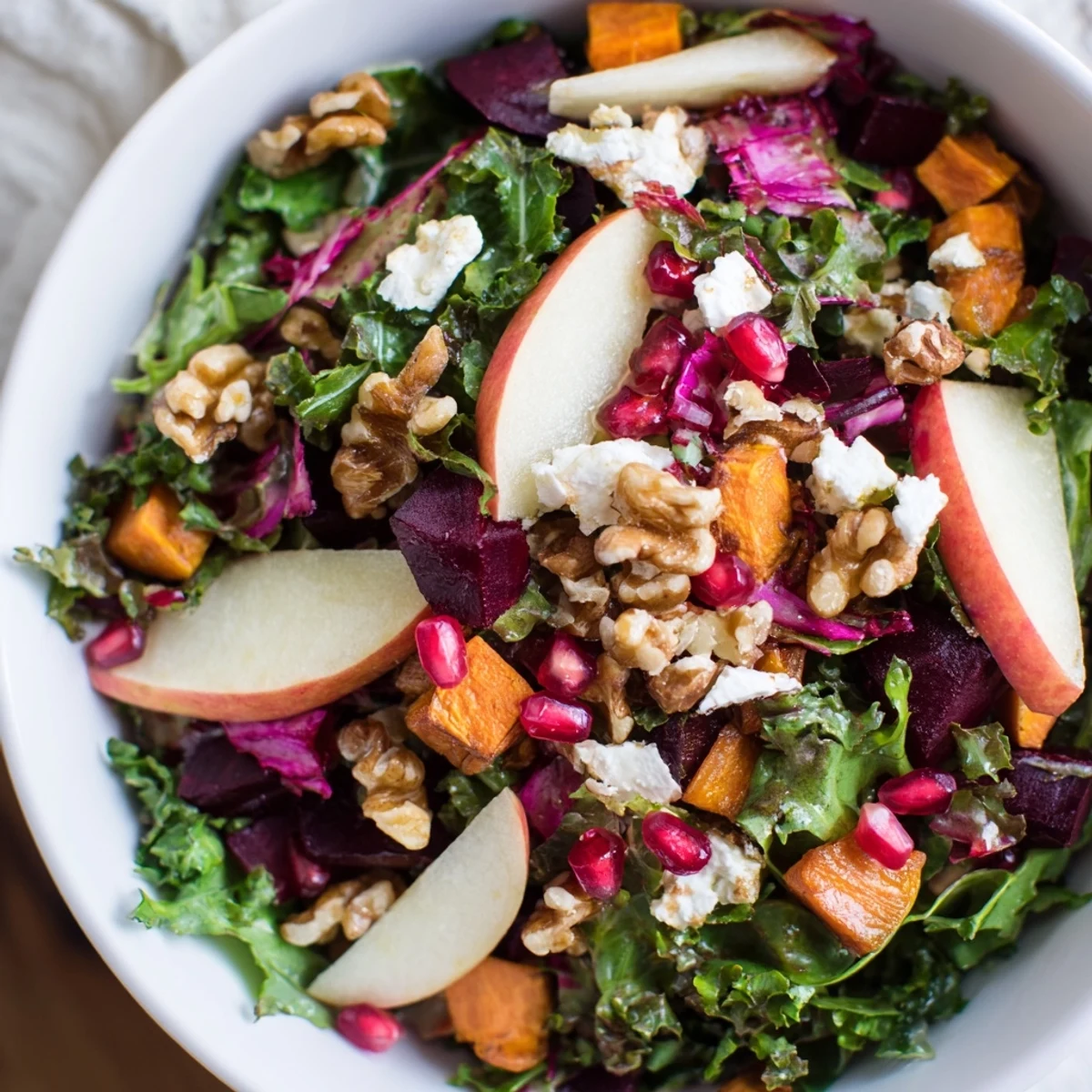
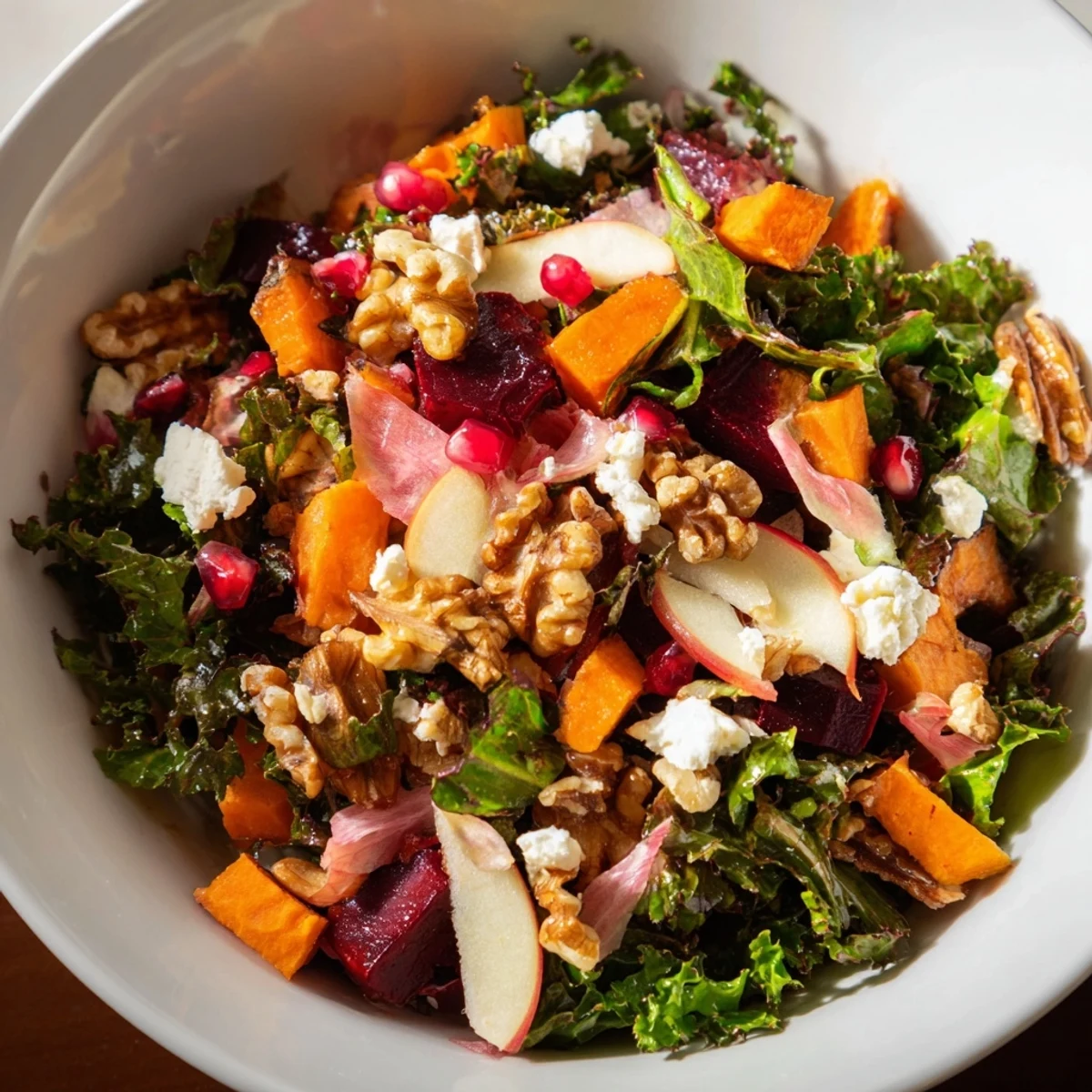
 This winter salad combines baby kale, arugula, and radicchio with roasted carrots, sweet potato, and beetroot, creating a comforting blend of textures and flavors. Toasted walnuts and goat cheese add richness, while crisp apple slices and pomegranate seeds bring sweetness. A tangy dressing of olive oil, orange juice, apple cider vinegar, and Dijon mustard ties all elements together for a refreshing meal perfect for chilly days.
There's something about December that makes me crave salad, which sounds backward until you've tasted one piled high with roasted vegetables that have caramelized in the oven until they're almost jammy. I made this one on a gray afternoon when my kitchen smelled like sweet potato and beetroot, and my hands were stained purple from prepping. My roommate walked in, took one bite, and asked why I'd never made it before. That's when I knew this wasn't just any winter salad—it was the kind that makes you forget you're eating vegetables.
I served this to friends who were skeptical about eating salad in January, but the pomegranate seeds and goat cheese somehow converted them into believers. Someone asked for the recipe before they'd even finished their bowl, which felt like winning an unspoken kitchen challenge.
Ingredients
- Baby kale: Raw kale has a peppery bite that stands up to roasted sweetness without getting lost.
- Arugula: Those peppery leaves add a slight kick that balances the earthiness of the root vegetables beautifully.
- Radicchio: The bitterness here is essential—it's what keeps this from tasting one-note.
- Carrots, sweet potato, and beetroot: Roasting concentrates their natural sugars and turns them almost caramel-like on the edges.
- Olive oil for roasting: Don't skimp here; it's what creates those slightly crispy, golden edges.
- Walnuts: Toasting them first brings out a nuttiness that's worth the extra five minutes.
- Goat cheese: It melts slightly from the warm vegetables and creates creamy pockets throughout the salad.
- Apple: Sliced thin and added just before serving, it keeps its crisp texture and adds a subtle sweetness.
- Pomegranate seeds: These are your flavor punctuation marks—tart and jewel-like.
- Extra-virgin olive oil for dressing: This is where the quality matters; use the good stuff.
- Orange juice and apple cider vinegar: Together they create a dressing that tastes brighter than you'd expect from just these two ingredients.
Instructions
- Heat your oven and prep your vegetables:
- Set the oven to 200°C and line a tray with parchment paper. Dice your root vegetables into roughly the same size so they cook evenly—this matters more than you'd think.
- Coat and arrange:
- Toss the carrots, sweet potato, and beetroot with olive oil, salt, and pepper, then spread them in a single layer. They should have room to roast, not steam.
- Roast until caramelized:
- Let them roast for 20–25 minutes, turning them halfway through. You'll know they're ready when the edges are slightly darkened and a fork slides through easily. The smell alone is worth the wait.
- Build your base:
- While the vegetables roast, combine the kale, arugula, and radicchio in a large bowl. Massage the kale slightly with your fingers if it feels tough—it'll soften and become more tender.
- Assemble:
- Once the roasted vegetables have cooled for a minute or two, add them to the greens along with the apple slices, toasted walnuts, goat cheese, and pomegranate seeds.
- Make the dressing:
- Whisk together the olive oil, orange juice, vinegar, mustard, and honey in a small bowl. Taste it and adjust—sometimes you need a touch more salt, sometimes more sweetness.
- Dress and serve:
- Drizzle the dressing over the salad and toss gently just before serving, so the greens don't wilt and the apple stays crisp.
 Save to Pinterest
 This salad became my go-to winter dish the year I realized that eating vegetables didn't have to feel like a sacrifice—it could feel like celebration. Every bowl tastes a little different depending on how the roasting went, and somehow that's exactly what I love about it.
Why Roasted Root Vegetables Change Everything
Raw root vegetables are fine, but roasting them is where the magic happens. The heat caramelizes their natural sugars, creating a sweetness that feels almost decadent. Paired with peppery greens and a bright citrus dressing, they create a salad that feels like actual comfort food, not diet food. This is why people ask for seconds.
The Dressing is Your Secret Weapon
A good dressing can make or break a salad, and this citrus one is worth getting right. The orange juice and mustard work together to create something that tastes fresher than you'd expect, while the honey rounds out the acidity just enough. Make it a few minutes before serving if you can—letting the flavors meld makes a real difference, though honestly, even mixed right before serving, it's exceptional.
Make It Your Own
The beauty of this salad is that it's flexible without falling apart. Swap ingredients based on what's in your kitchen or what you're craving, and it still works beautifully.
- Trade the walnuts for pecans or pumpkin seeds—whatever you have will work.
- Skip the goat cheese or use a plant-based version if that's what you need.
- Try different apples, different citrus in the dressing, even different roasted vegetables if the seasons shift.
 Save to Pinterest
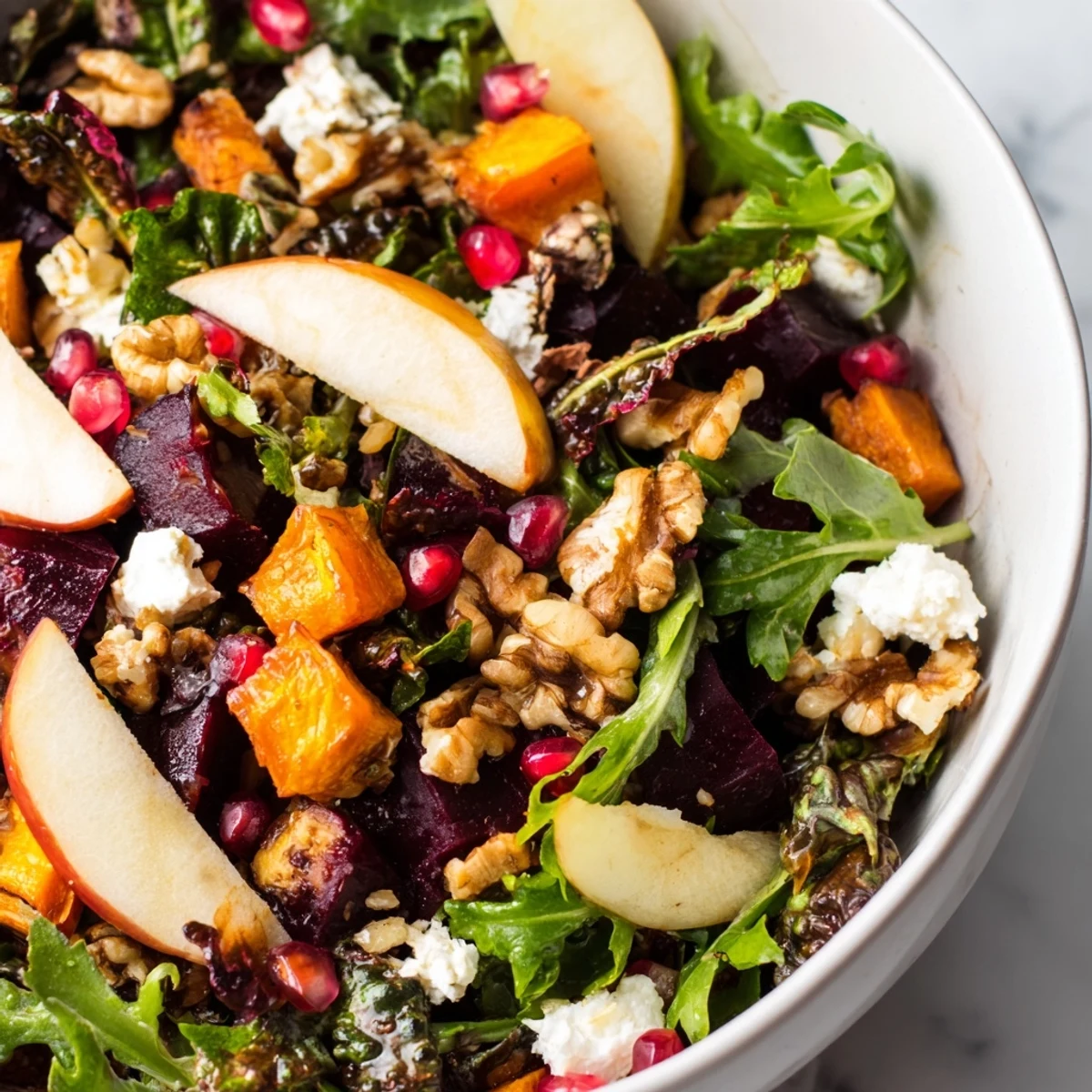
 This winter salad is proof that vegetables can be exciting, satisfying, and something you actually want to eat when it's cold outside. Make it once, and it becomes part of your winter rotation.
Recipe FAQs
- → What vegetables are best for this winter salad?
-
Seasonal winter greens like baby kale, arugula, and radicchio combined with roasted root vegetables such as carrots, sweet potato, and beetroot create ideal flavors and textures.
- → How should the root vegetables be prepared?
-
Dice the carrots, sweet potato, and beetroot, toss with olive oil, salt, and pepper, then roast at 200°C (400°F) for 20-25 minutes until tender and caramelized.
- → Can I substitute the nuts or cheese?
-
Yes, walnuts can be replaced with pecans or pumpkin seeds, and goat cheese can be swapped for a plant-based alternative for vegan preferences.
- → How is the dressing made?
-
The dressing blends extra-virgin olive oil, freshly squeezed orange juice, apple cider vinegar, Dijon mustard, honey, salt, and black pepper whisked together until emulsified.
- → What flavors balance this salad?
-
The combination of earthy roasted roots, fresh greens, sweet apple slices, crunchy nuts, creamy cheese, and tangy citrus dressing creates a well-rounded flavor profile.