
 Save to Pinterest
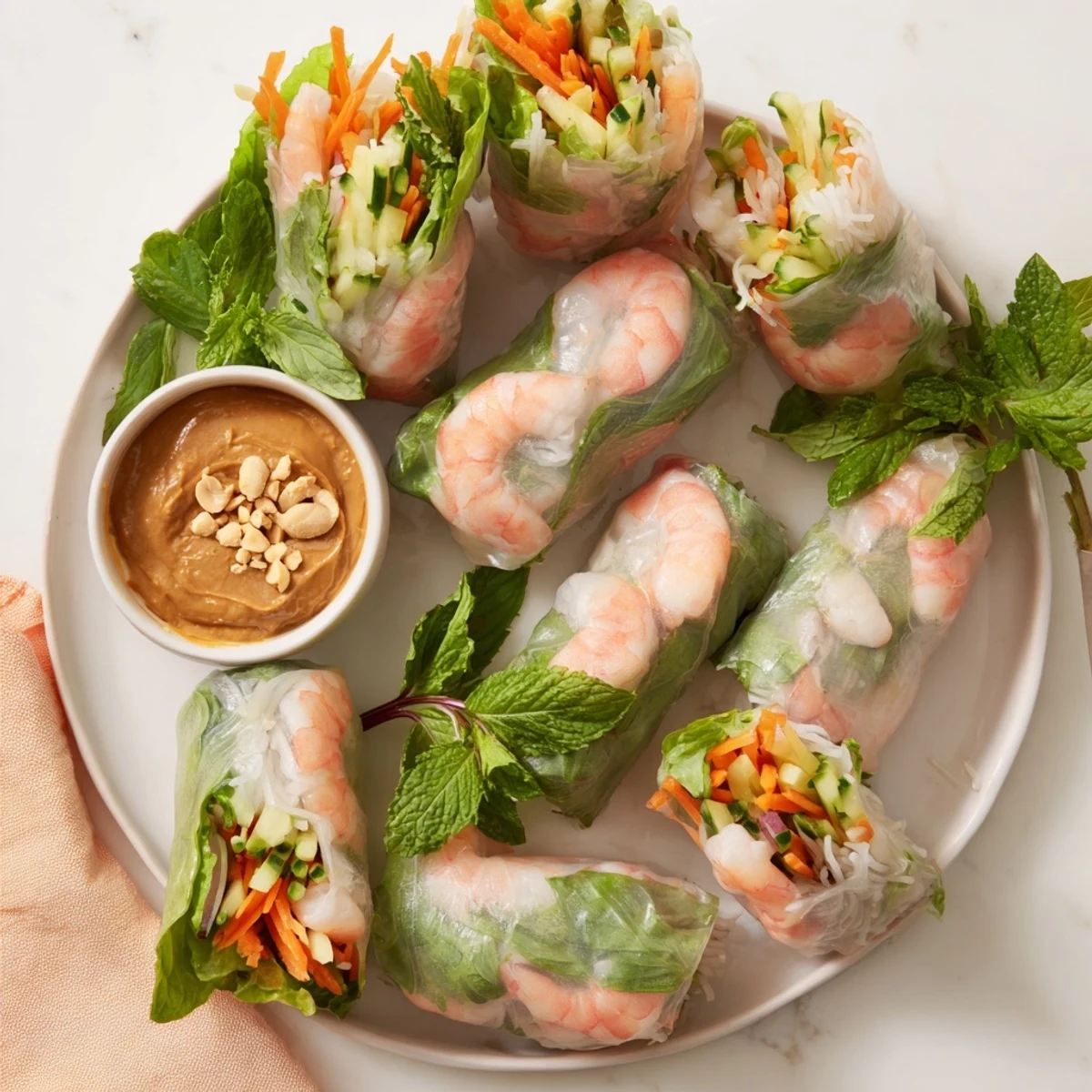
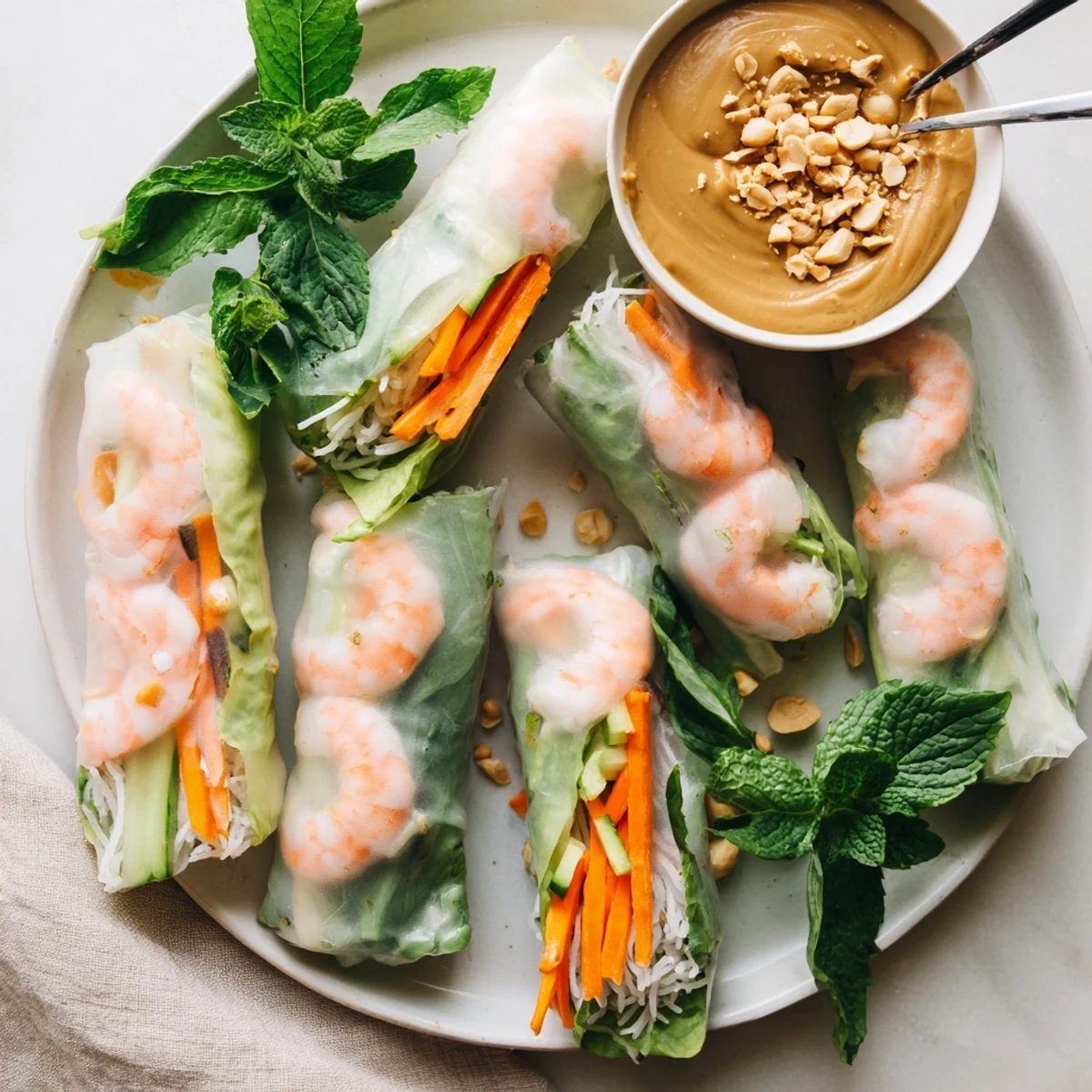
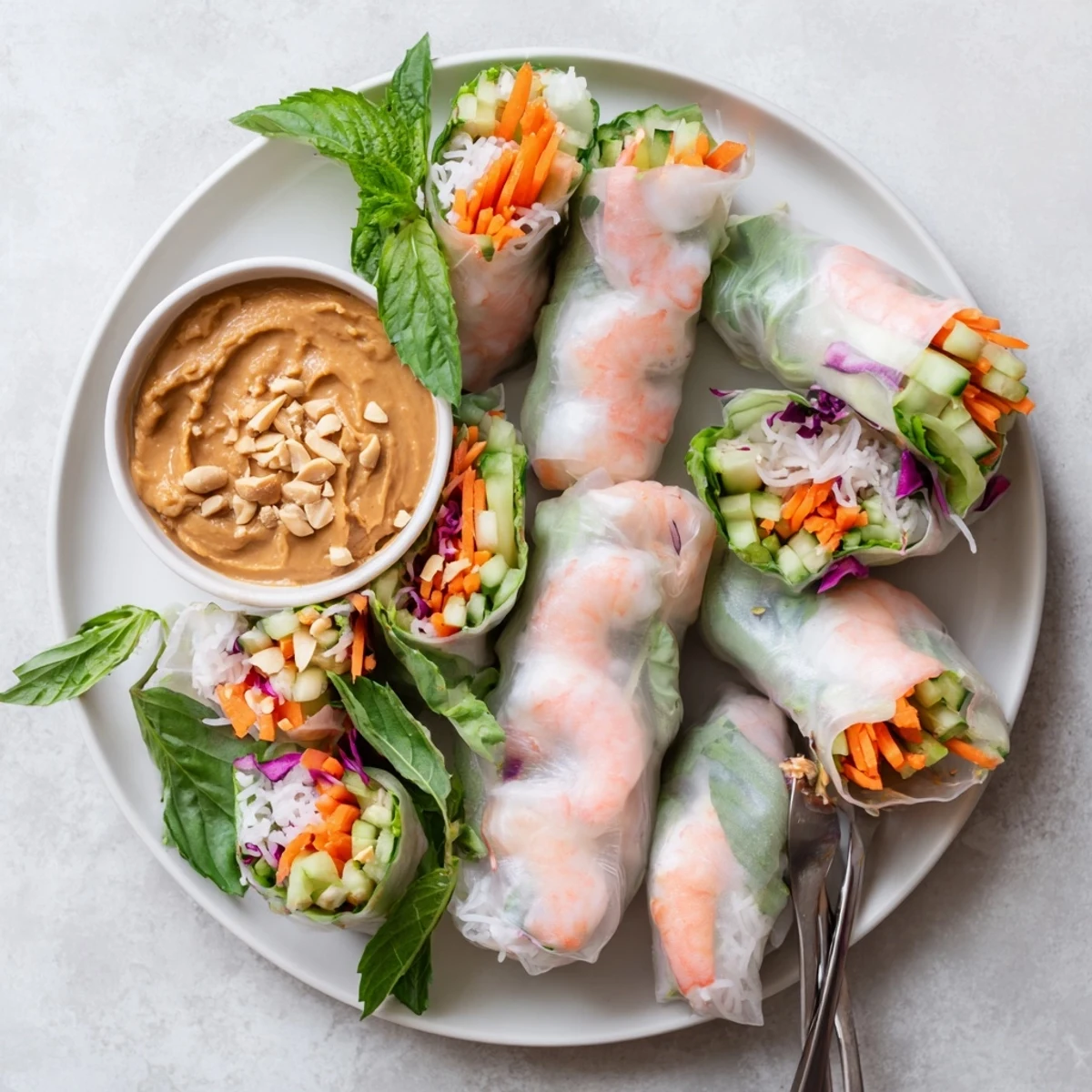
 These fresh Vietnamese spring rolls feature delicate rice paper wrappers encasing crisp vegetables, fragrant herbs, tender shrimp, and vermicelli noodles. The light and refreshing rolls are paired with a creamy, savory peanut dipping sauce that perfectly complements the fresh ingredients. Ready in just 15 minutes with no cooking required, these rolls make an ideal appetizer or snack for warm weather entertaining.
The assembly process involves softening rice paper wrappers in warm water, then rolling them around the prepared fillings. The peanut sauce comes together quickly with pantry staples like hoisin, soy sauce, and lime juice. Each roll offers a satisfying combination of textures—crunchy vegetables, slippery noodles, and succulent shrimp—balanced by the aromatic herbs and rich dipping sauce.
Standing in my tiny apartment kitchen in Saigon, my host sister showed me how to roll these paper-thin wrappers without tearing them. Her hands moved with such fluid confidence while mine fumbled and ripped through three sheets before I found the right touch. Now every time I make these, I am transported back to that humid afternoon filled with laughter and the sharp scent of fresh mint.
Last summer I made these for a backyard barbecue, arranging them on a long platter with that gorgeous peanut sauce. My friends stood around the table, slightly confused about how to eat them, then completely converted after one messy, delicious bite. Now they request them at every gathering, and I have learned to make double the recipe.
Ingredients
- 8 large cooked shrimp: Peel and devein them, then slice each shrimp in half lengthwise so they lay flat and show their beautiful pink color through the translucent wrapper
- 1 cup lettuce leaves: Tear them into manageable pieces rather than cutting them, which keeps the edges from browning and adds rustic charm
- 1 medium carrot: Julienne these into thin matchsticks because thick pieces can poke through the delicate rice paper and ruin your rolling momentum
- 1/2 medium cucumber: Remove the seeds if they are large and watery, otherwise your spring rolls might become soggy within an hour
- 1/2 cup fresh mint leaves: This herb is nonnegotiable and provides that signature Vietnamese freshness that cuts through the rich dipping sauce
- 1/2 cup fresh cilantro leaves: Pull the leaves from the tough stems and give them a quick rinse, patting them completely dry to prevent sogginess
- 1/4 cup fresh Thai basil leaves: Optional but absolutely worth finding, this adds a subtle licorice note that deepens the entire flavor profile
- 2 oz rice vermicelli noodles: These thin noodles soak up the peanut sauce beautifully, so do not be tempted to substitute with thicker rice noodles
- 8 round rice paper wrappers: Keep these wrapped in a kitchen towel until the exact moment you need them, or they will become impossible to work with
- 1/4 cup creamy peanut butter: Natural peanut butter can separate, so stir it thoroughly before measuring or your sauce will turn out grainy and sad
- 2 tbsp hoisin sauce: This fermented soybean paste adds an umami depth that balances the bright lime and salty soy sauce perfectly
- 1 tbsp soy sauce: Use a good quality brand here because cheaper soy sauces can be harshly salty and throw off the delicate balance
- 1 tbsp lime juice: Freshly squeezed makes all the difference, and do not be afraid to add an extra squeeze if you love that bright acid
- 1 tsp sugar: This tiny amount rounds out all the flavors and helps the sauce cling to the spring rolls instead of running right off
- 2–3 tbsp warm water: Add this gradually until the sauce reaches the consistency of heavy cream, not too thick and not too thin
- 1 tsp toasted sesame oil: This is entirely optional but adds a gorgeous nutty aroma that makes people ask what your secret ingredient is
- 1 small garlic clove: Mince this as finely as humanly possible because nobody wants an intense chunk of raw garlic in their delicate dipping sauce
Instructions
- Prepare the noodles:
- Soak the rice vermicelli in hot water for 3 to 5 minutes until they are completely pliable but still have a slight bite to them. Drain them well and rinse with cool water to stop the cooking process.
- Set up your filling station:
- Arrange all your prepared vegetables, herbs, and sliced shrimp on a large platter or cutting board within easy reach. This assembly line approach prevents frantic searching midroll when your rice paper is already starting to dry out.
- Soften the rice paper:
- Fill a large shallow dish with warm water and dip one rice paper wrapper for 5 to 7 seconds. It will still feel slightly stiff but will continue to soften as you work with it.
- Layer your fillings:
- Lay the softened wrapper on a clean, damp towel and place two shrimp halves pink side down in the bottom third. Add a small tangle of noodles, lettuce, carrot, cucumber, and a few leaves of each herb.
- Roll it up tight:
- Fold the sides inward over the filling, then roll from the bottom up like a burrito, keeping everything snug but not so tight that you tear through the paper. Set aside on a plate and repeat with the remaining ingredients.
- Make the peanut sauce:
- Whisk together the peanut butter, hoisin, soy sauce, lime juice, and sugar until completely smooth. Stir in the warm water gradually until you reach your desired consistency, then add the sesame oil and garlic if using.
- Get ready to dip:
- Serve the spring rolls immediately with the peanut sauce on the side for dipping, and sprinkle some crushed peanuts over everything if you want that extra crunch.
 Save to Pinterest
 My now husband asked for thirds on our first date when I served these, and he admits the peanut sauce was what convinced him I might be the one. Something about the balance of fresh herbs with that rich, creamy dipping sauce just makes people happy.
Working With Rice Paper
Rice paper wrappers can seem intimidating at first, but they are actually quite forgiving once you understand their personality. The key is working quickly but calmly, and keeping your work surface slightly damp with a clean kitchen towel beneath each wrapper.
Building The Perfect Roll
Do not overstuff your spring rolls, even though the temptation is real because all those colorful vegetables look so gorgeous together. A tight roll with just the right amount of filling will hold together better and actually give you more balanced bites.
Make Ahead Success
You can prepare all the vegetables, cook the shrimp, and even make the peanut sauce up to a day in advance. Keep everything in separate containers in the refrigerator, then just roll them shortly before serving for the best texture.
- Store the peanut sauce in a jar and give it a good stir before serving
- Roll the spring rolls no more than 2 to 3 hours before eating or they will become tough
- Cover finished rolls tightly with damp paper towels then plastic wrap to prevent drying
 Save to Pinterest
 These fresh spring rolls have become my go to for bringing something beautiful to gatherings, and watching friends take that first uncertain bite never gets old.
Recipe FAQs
- → How do I prevent rice paper wrappers from tearing?
-
Soak wrappers in warm water for just 5-7 seconds until pliable but not overly soft. Work on a damp towel to prevent sticking, and handle gently while rolling.
- → Can I make these ahead of time?
-
Yes, prepare rolls 2-3 hours in advance. Cover tightly with damp paper towels and plastic wrap to prevent drying. Store sauce separately.
- → What can I substitute for shrimp?
-
Use cooked tofu strips, grilled chicken, or extra vegetables. Tofu works particularly well with the peanut sauce and maintains the light texture.
- → How do I store leftovers?
-
Rolls are best enjoyed fresh but can be refrigerated overnight wrapped in damp paper towels. The sauce keeps for up to a week in an airtight container.
- → What other herbs can I use?
-
Thai basil adds authentic flavor, but you can also use Vietnamese mint, perilla leaves, or regular basil. Mix and match based on availability and preference.
- → Can I make the peanut sauce thinner or thicker?
-
Adjust the consistency by adding more warm water for a thinner sauce or reducing water for a thicker dip. Start with 2 tablespoons and add as needed.