
 Save to Pinterest
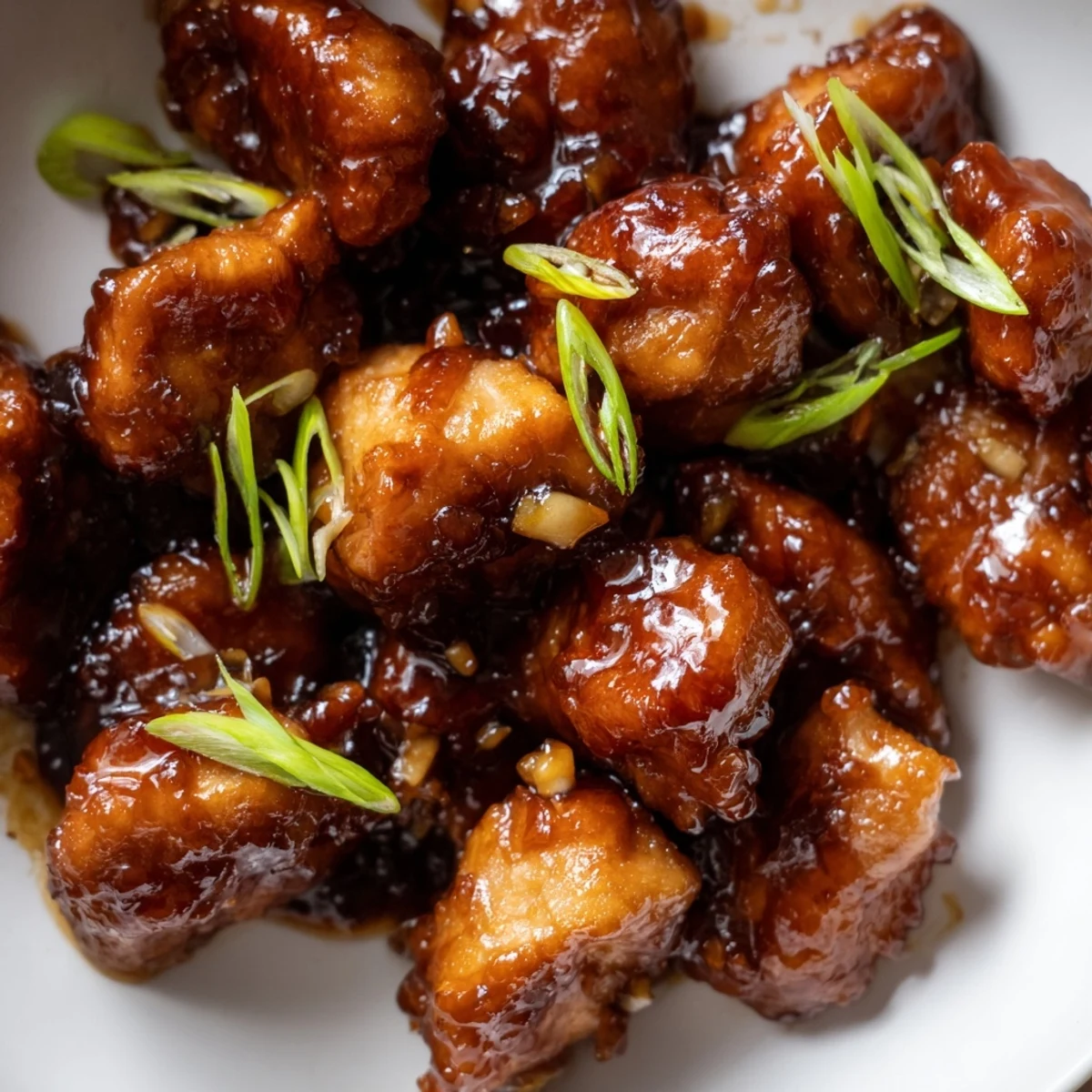
 This Asian-inspired dish transforms tender chicken pieces with a perfectly balanced sweet and savory glaze. The sauce combines low-sodium soy sauce, brown sugar, and aromatics like fresh garlic and ginger to create that signature Mongolian flavor profile. Ready in just 25 minutes, this streamlined version requires only seven basic ingredients and comes together in a single skillet for easy cleanup.
The cooking process is straightforward: brown the chicken, add fragrant aromatics, then simmer everything in the prepared sauce until it thickens and coats each piece beautifully. The result is juicy, flavorful chicken with a glossy finish that pairs perfectly with steamed rice or noodles.
The first time I made Mongolian chicken, I stood in my tiny apartment kitchen watching the sauce bubble and thicken, that incredible sweet-savory smell filling every corner of the room. My roommate poked her head in, asking what on earth I was cooking that smelled like a restaurant had moved in. We ate it straight from the pan while standing at the stove because waiting for plates somehow felt impossible.
Last winter my sister called me in a panic, needing a dinner that would impress her new boyfriend but terrified of anything complicated. I walked her through this recipe over the phone, listening to the sizzle through the speaker. She texted me later that he asked for seconds and then promptly asked when she'd make it again.
Ingredients
- 1 lb boneless chicken thighs or breasts: Thighs stay juicier but breasts work perfectly if that is what you have on hand, cut them into similar sized pieces so they cook evenly
- 1/2 cup low-sodium soy sauce: Regular soy sauce makes the dish too salty, trust me on this one
- 1/3 cup brown sugar: Dark brown sugar gives a deeper molasses flavor but light works fine too
- 1/4 cup water: This helps dissolve the sugar and creates the right sauce consistency
- 4 cloves garlic: Fresh minced garlic makes such a difference, jarred garlic has a weird aftertaste
- 1 tablespoon fresh ginger: Peel it with a spoon then grate it, frozen ginger actually grates even easier
- 2 tablespoons vegetable oil: Any neutral oil works, I usually use whatever is sitting on my counter
- Green onions: Totally optional but that pop of green and fresh flavor makes it look like you really tried
Instructions
- Mix your sauce base:
- Whisk together the soy sauce, brown sugar, and water until the sugar completely disappears, otherwise you will get gritty pockets in your finished sauce
- Get the pan hot:
- Heat your oil over medium-high heat until it shimmers, a cold pan makes chicken stick and steam instead of getting that nice golden sear
- Cook the chicken:
- Add your chicken pieces and let them develop a crust before flipping, about 4 to 5 minutes total, resist the urge to keep moving them around
- Add the aromatics:
- Toss in your garlic and ginger, stirring constantly for just one minute so they release their fragrance without burning
- Create the magic:
- Pour in your sauce and stir to coat every piece, watch as it bubbles away and transforms into something glossy and incredible
- Let it thicken:
- Simmer for 6 to 8 minutes until the sauce clings to the chicken instead of running off, it should coat the back of a spoon
- Finish and serve:
- Sprinkle with green onions if you remembered them and serve immediately over steaming rice
 Save to Pinterest
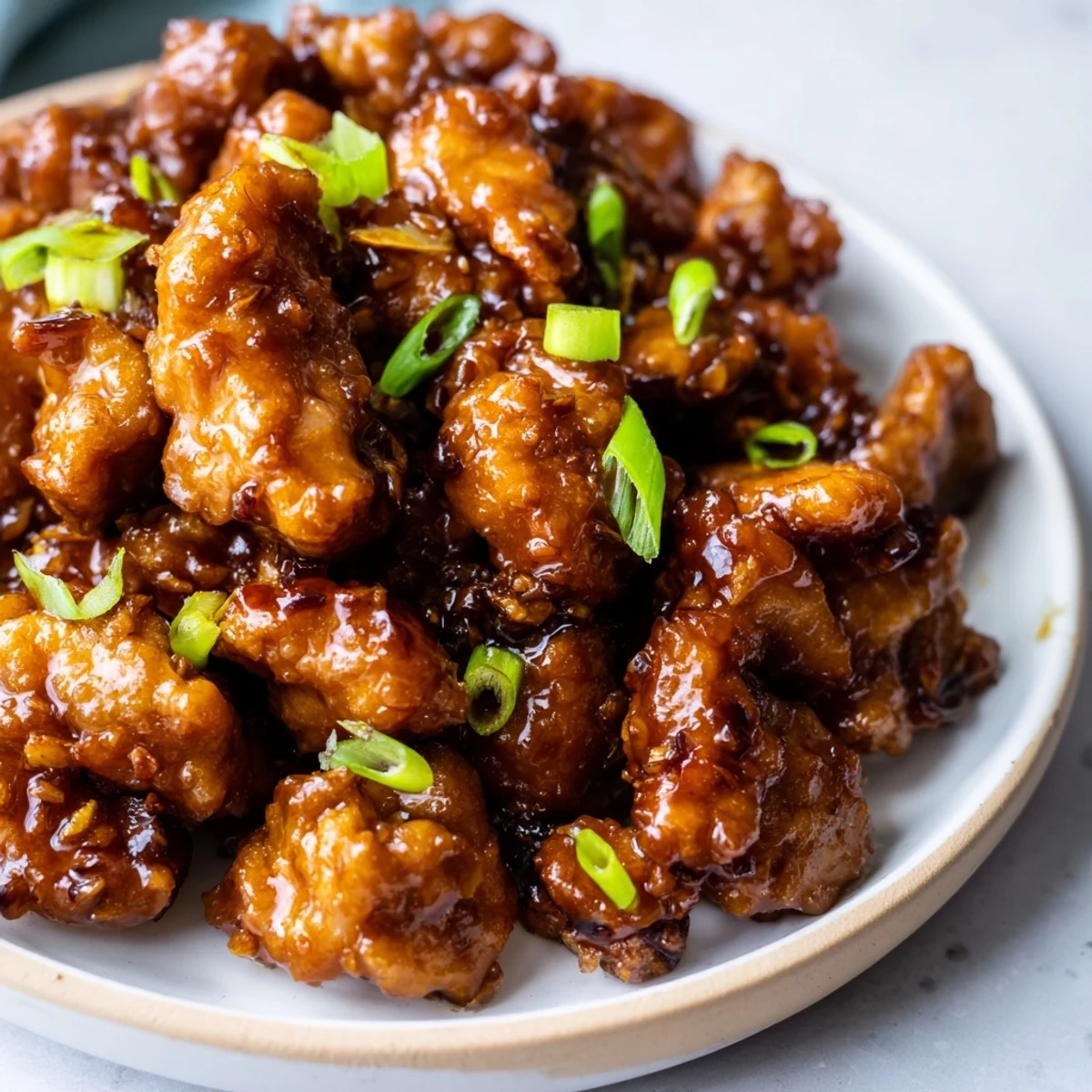
 This recipe became my go-to when I started my first job and was too exhausted to cook anything complicated but still wanted something that felt like a real meal. Something about that glossy sauce covering tender chicken makes even a Tuesday night feel special.
Making It Your Own
I once added crushed red pepper flakes when my friend Sarah swore she could handle heat, then watched her face turn bright red as she reached for her water glass. Now I always offer heat on the side so everyone can customize their bowl.
Perfect Pairings
My friend Ming taught me that steamed rice is non-negotiable because you need something to soak up every drop of that sauce. She also throws in sauteed bok choy right at the end so it gets coated in all that flavorful glaze.
Sauce Secrets
The difference between good restaurant Mongolian chicken and homemade versions often comes down to patience with that final simmer. Let it reduce until it looks like caramel instead of stopping too early.
- Dust chicken in cornstarch before cooking for that restaurant style crispy texture
- Double the sauce recipe if you love sauce as much as I do
- Coconut aminos work perfectly if you need this to be gluten-free
 Save to Pinterest
 I hope this becomes one of those recipes you know by heart and make without even thinking about it on busy weeknights. There is something deeply satisfying about creating something so delicious from such simple ingredients.
Recipe FAQs
- → What cut of chicken works best for this dish?
-
Boneless, skinless chicken thighs are ideal because they stay tender and juicy during cooking. Chicken breasts work well too, just be careful not to overcook them as they can dry out faster than thighs.
- → Can I make this gluten-free?
-
Yes! Simply substitute coconut aminos or tamari for the soy sauce. Ensure all other ingredients, including any garnishes, are certified gluten-free if you have strict dietary requirements.
- → How do I get the sauce to thicken properly?
-
Let the sauce simmer uncovered for the full 6–8 minutes specified. The natural sugars from the brown sugar will reduce and thicken the sauce. If you prefer a thicker coating, you can lightly dust the chicken in cornstarch before frying, which helps the sauce cling to the meat.
- → What vegetables pair well with this?
-
Sautéed bok choy, steamed broccoli, or snap peas complement the flavors beautifully. You can also add bell peppers or snow peas during the last few minutes of cooking for a complete one-pan meal.
- → How spicy is this dish?
-
The base version is mild with no heat. If you enjoy some spice, add a pinch of red pepper flakes when sautéing the garlic and ginger, or serve with sriracha or chili garlic sauce on the side.
- → Can I prep this ahead of time?
-
You can mix the sauce components ahead and store them in the refrigerator. The chicken can also be cut into pieces and kept chilled. Cook everything fresh for the best texture and flavor, though leftovers reheat well in the microwave or skillet.