
 Save to Pinterest
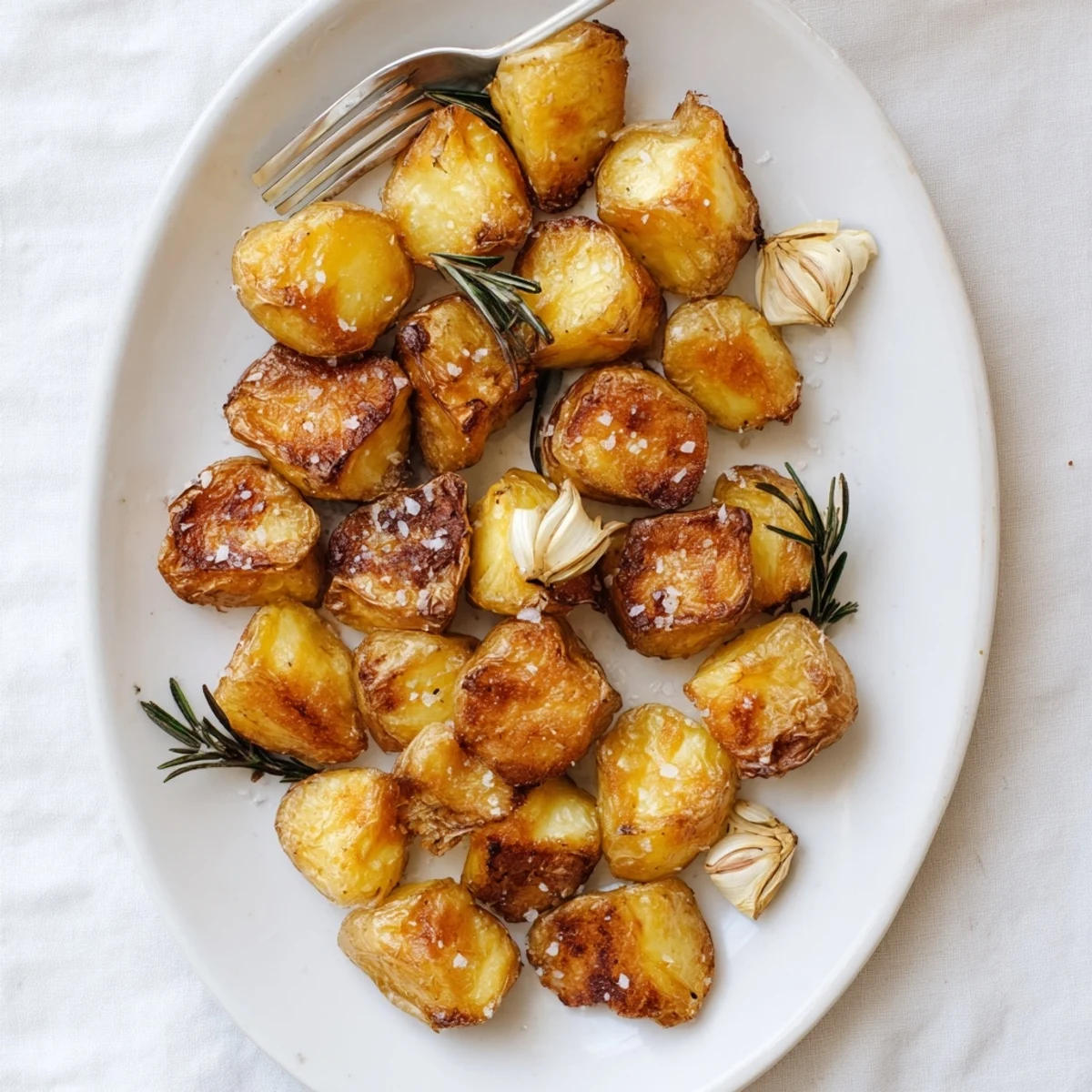
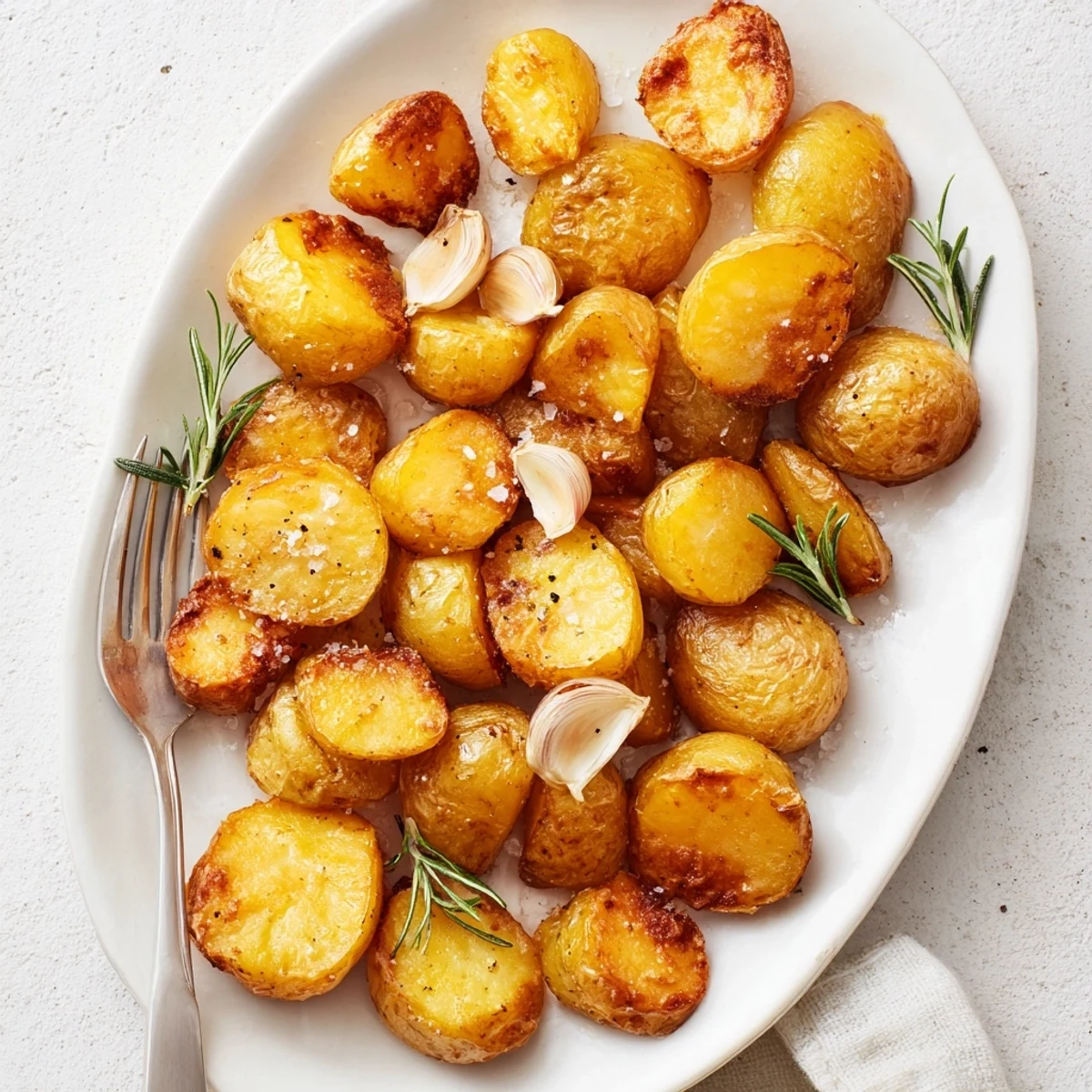
 Master the art of creating perfectly crispy roast potatoes with golden exteriors and fluffy interiors. This classic British technique uses floury potatoes like Maris Piper or Yukon Gold, parboiled then roasted in hot fat until crunchily golden. The secret lies in roughening the surfaces after boiling and using sizzling hot oil or duck fat for maximum crispiness. Ready in just over an hour, these potatoes pair beautifully with roasts, grilled meats, or vegetarian mains.
The first time I made these potatoes, my roommate literally stopped mid conversation and asked what I had done differently. The smell alone had wafted through the entire apartment and pulled everyone into the kitchen.
I started making these for Sunday dinners when friends would drop by, and honestly, they became the thing people actually showed up for. One friend even started bringing the wine just to ensure there would be potatoes.
Ingredients
- Floury potatoes: Maris Piper, Yukon Gold, or Russet varieties work best because their high starch content creates that fluffiness inside while still getting crispy outside
- Sea salt for boiling: This seasons the potatoes from the inside out as they cook
- Hot fat: Duck fat or goose fat gives the best results but vegetable oil keeps it vegetarian and still produces excellent crispiness
- Garlic and herbs: Smashed garlic cloves and fresh rosemary or thyme add those aromatic notes that make these potatoes irresistible
Instructions
- Preheat your oven:
- Get it to 220°C (425°F) because that high heat is what creates the beautiful golden crust
- Par boil the potatoes:
- Simmer the chunks in salted water for just 8 to 10 minutes until edges are tender but centers still firm
- Roughen the edges:
- Drain well, let steam dry for 2 minutes, then shake the colander to create those rough surfaces that catch the hot fat
- Heat the fat:
- Warm your chosen fat in the roasting pan for 5 minutes until it shimmers with heat
- Coat and roast:
- Carefully add potatoes to the hot fat, turn to coat, add garlic and herbs, then roast 20 minutes before turning
- Finish with seasoning:
- Continue roasting 25 to 30 minutes more, turning once, until deeply golden and crisp all over
 Save to Pinterest
 These potatoes became my go to for every holiday dinner after my sister called to ask exactly how I made them because hers never turned out quite right. Now she makes them better than I do.
Choosing the Right Potatoes
Floury potatoes with high starch content are essential here. Waxy potatoes like new potatoes or red skinned varieties simply will not achieve that fluffy interior no matter how long you roast them.
The Fat Makes All the Difference
Duck and goose fats have been used in British kitchens for generations because they conduct heat beautifully and add incredible flavor. If you keep a jar of duck fat in your freezer, this is the recipe that justifies it.
Timing Your Roast
The total roasting time might seem long but those two separate cooking phases create different textures. The first 20 minutes sets the initial crunch while the final 25 to 30 minutes builds that deep golden color.
- Set a timer to remind yourself to turn the potatoes at the right moment
- Do not overcrowd the pan or the potatoes will steam instead of roast
- Let the pan heat back up quickly after opening the oven door
 Save to Pinterest
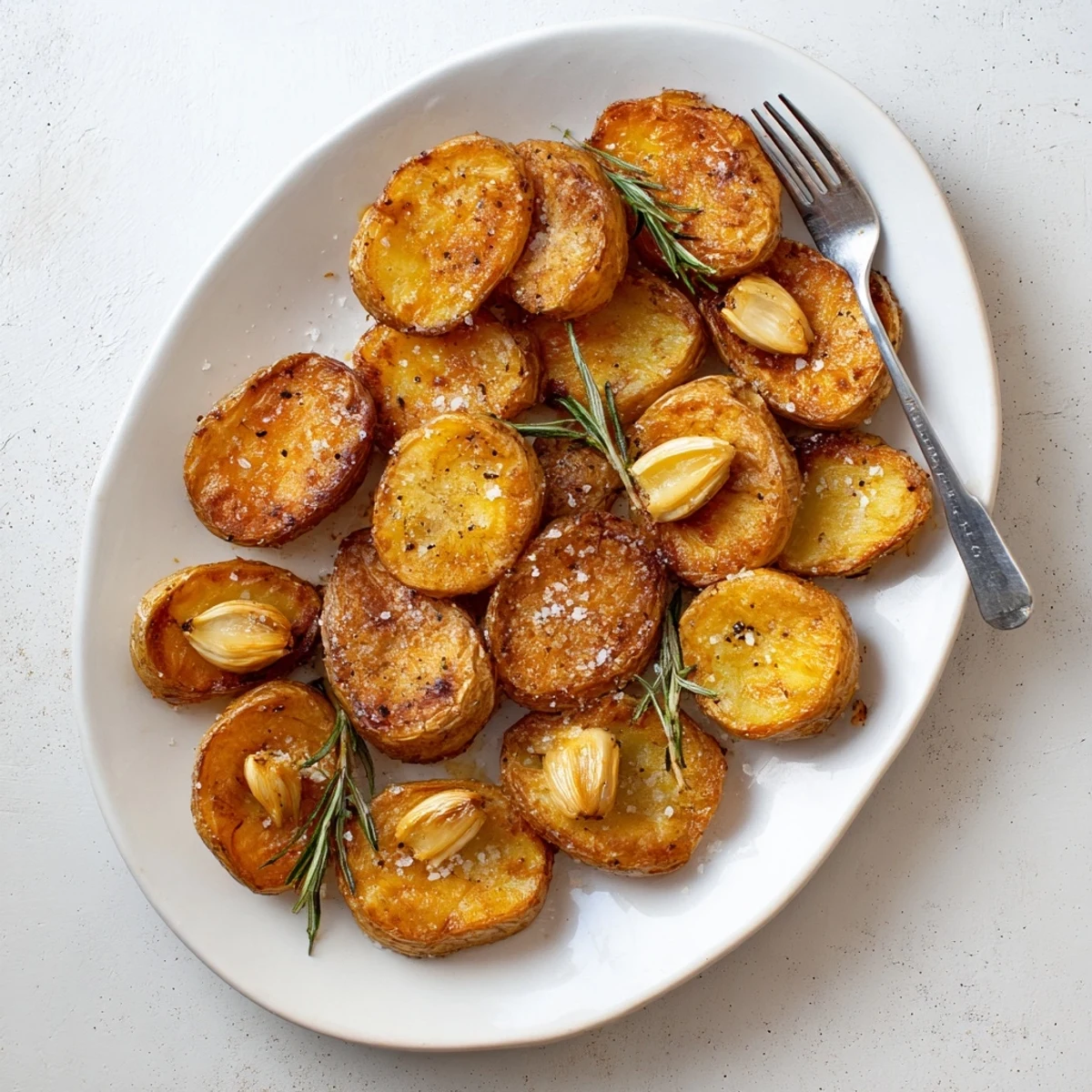
 There is something deeply satisfying about pulling a tray of these golden potatoes out of the oven and hearing that collective sound of anticipation around the table.
Recipe FAQs
- → What type of potatoes work best for crispy results?
-
Floury or starchy potatoes like Maris Piper, Yukon Gold, or Russet are ideal. Their high starch content creates that perfect fluffy interior while developing a crispy exterior when roasted.
- → Can I prepare these ahead of time?
-
Parboil the potatoes up to a day in advance, then store them covered in the refrigerator. When ready to serve, simply roast them as directed, adding a few extra minutes if cooking from cold.
- → What fat gives the crispiest results?
-
Duck or goose fat yields exceptional crunchiness and rich flavour. For a vegetarian option, vegetable oil works perfectly well, while beef dripping adds traditional depth if you prefer meat-based fats.
- → Why do I need to shake the potatoes after boiling?
-
Shaking the colander roughens up the potato surfaces, creating jagged edges that crisp up beautifully during roasting. This simple step creates more surface area for that satisfying crunch.
- → How do I prevent soggy potatoes?
-
Ensure you drain the potatoes thoroughly after parboiling and let them steam dry for 2 minutes. Adding them to properly preheated fat and avoiding overcrowding the pan also prevents sogginess.