
 Save to Pinterest
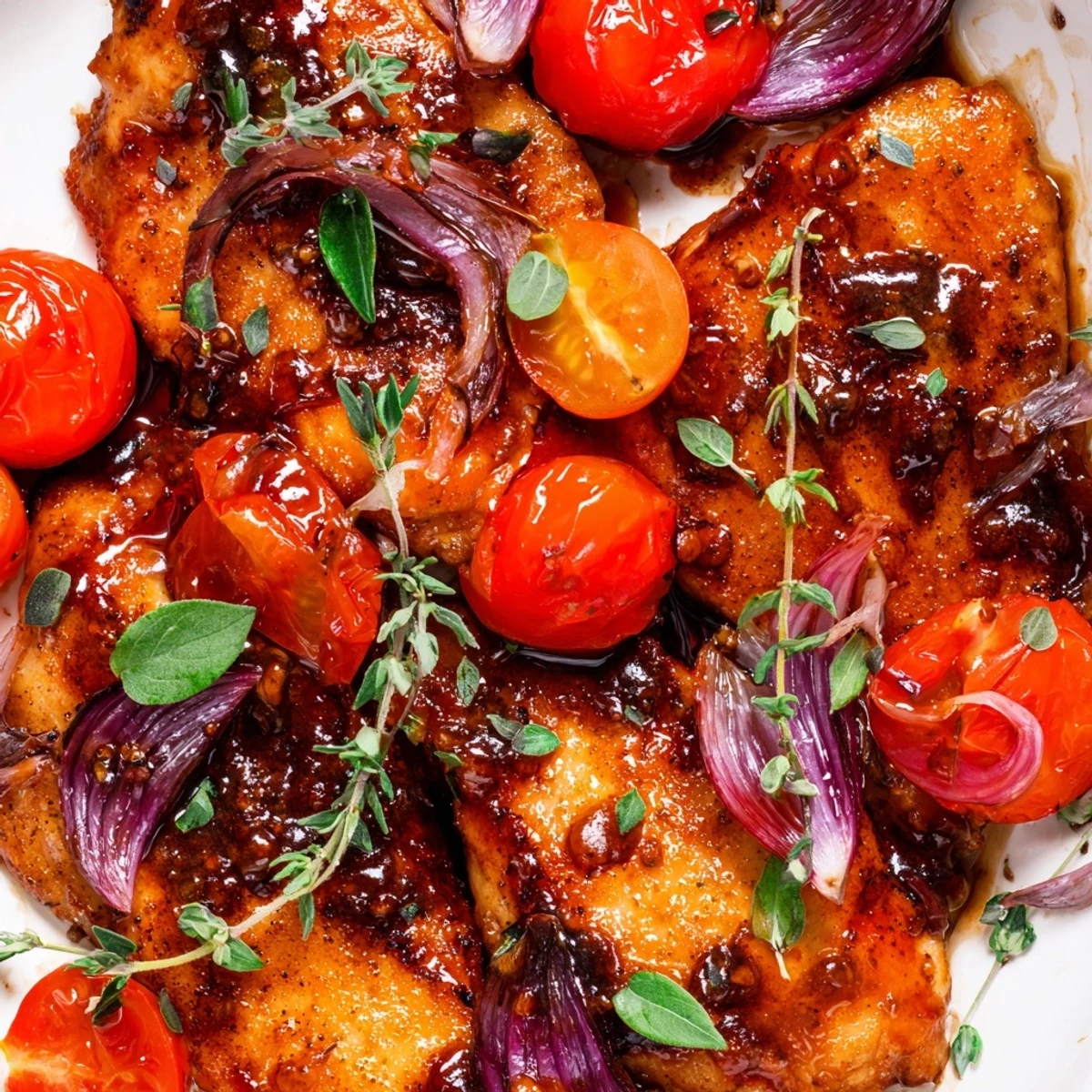
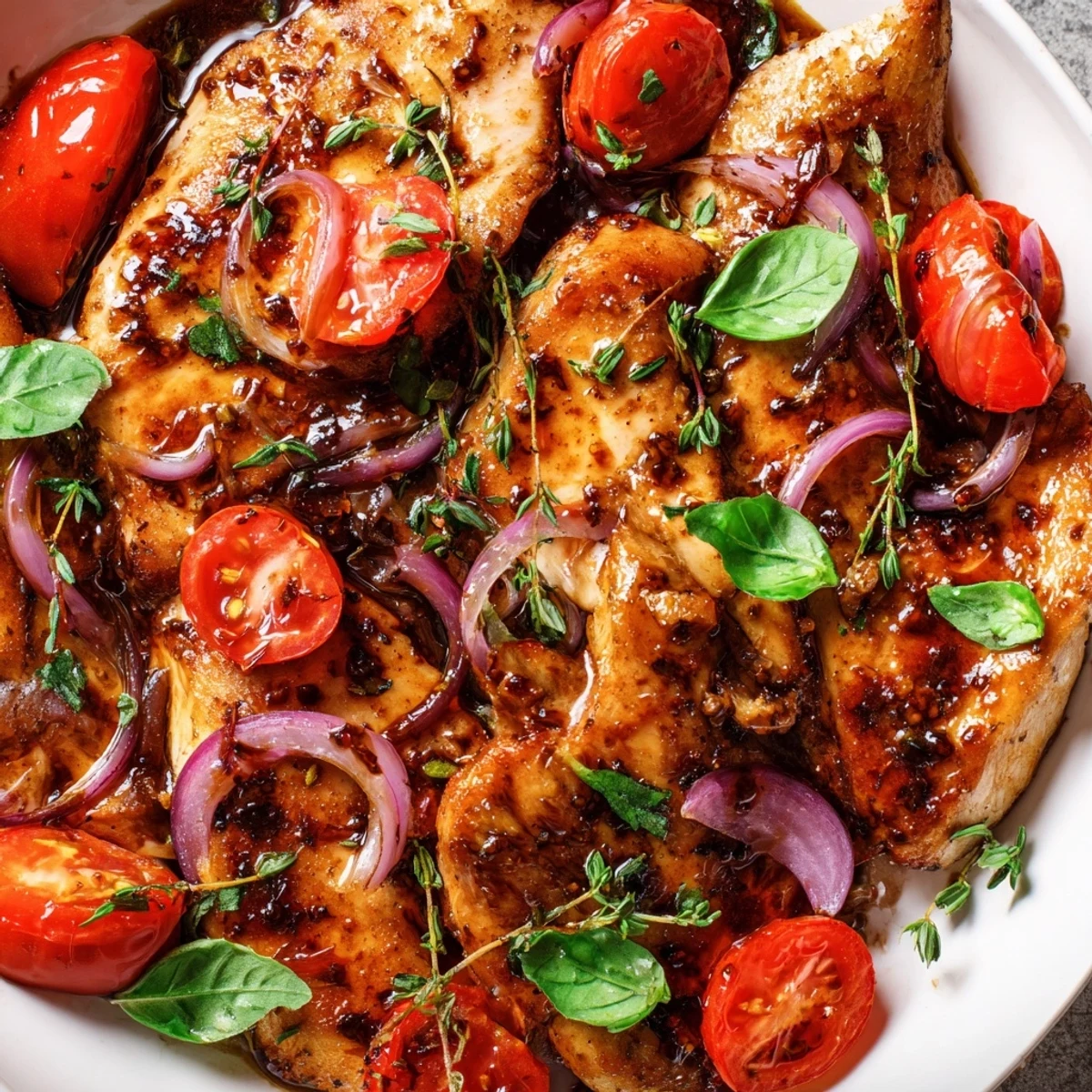
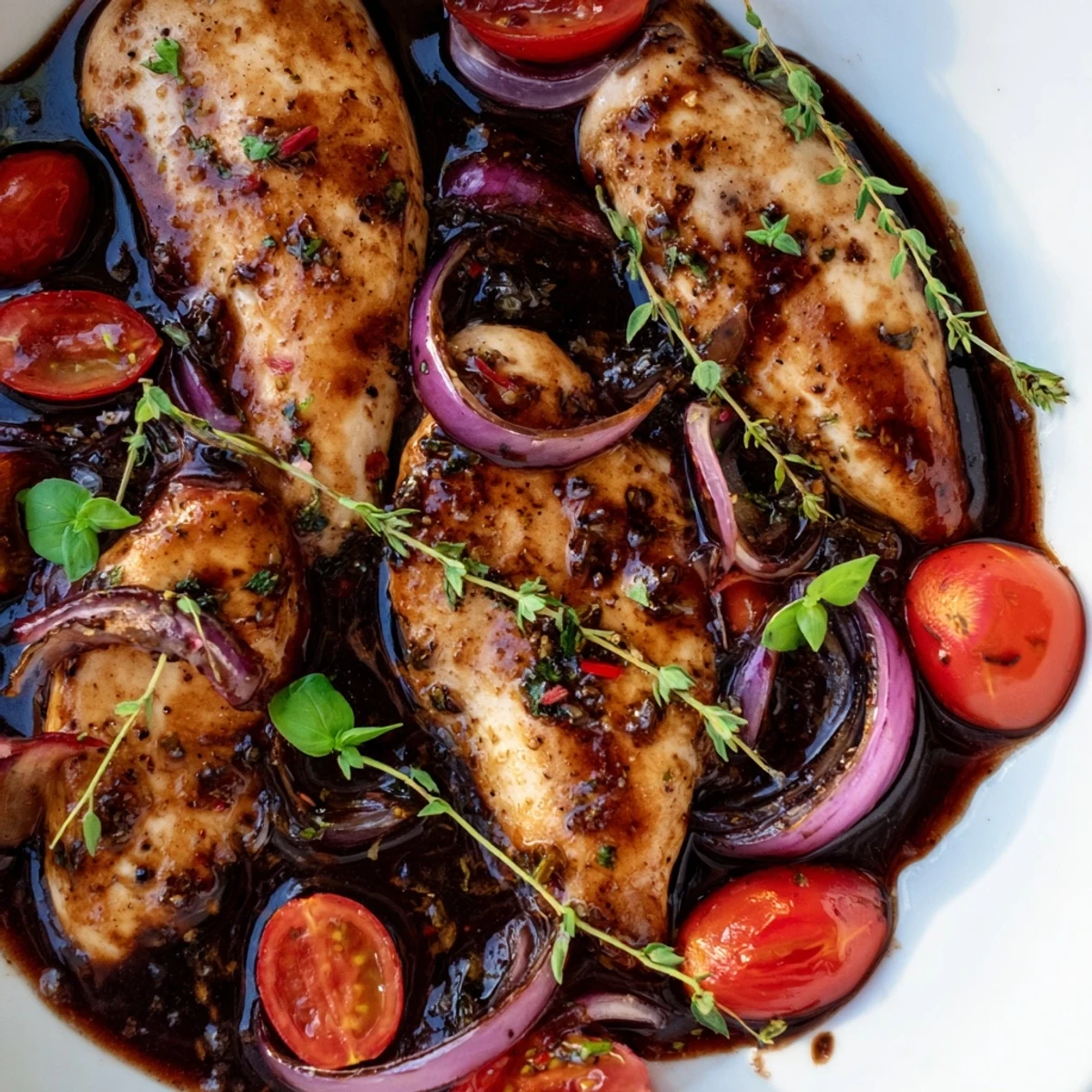
 This one-pan dish features tender, golden chicken breasts simmered in a rich balsamic glaze with garlic, cherry tomatoes, and fresh herbs. The combination of sweet honey, tangy balsamic vinegar, and savory aromatics creates a beautifully balanced sauce that coats the chicken perfectly. Ready in just 35 minutes with only 10 minutes of prep, this elegant weeknight dinner serves four and is naturally gluten-free.
The chicken is first seared to golden perfection, then gently simmered with onions, garlic, and cherry tomatoes until the sauce thickens and the flavors meld together. Fresh basil and thyme add aromatic brightness, while the balsamic-honey reduction provides a gorgeous glossy finish. Serve with rice, mashed potatoes, or crusty bread to soak up every drop of the flavorful pan sauce.
The balsamic glaze thickening in the pan always pulls me into the kitchen, that sweet tangy aroma filling the air. I first made this on a random Tuesday when I needed something that felt special but wouldn't leave me with dishes stacked to the ceiling. Now it's my go-to when friends drop by unexpectedly and I want to serve something that looks impressive but secretly took thirty minutes.
Last summer my sister visited and I threw this together while she sat at my counter, catching up on life. She kept hovering over the stove, asking what smelled so incredible, and ended up eating three portions straight from the pan. That's when I knew this recipe wasn't just convenient—it was the kind of food that pulls people into the kitchen and keeps them there.
Ingredients
- Chicken breasts: I've learned that pounding them to even thickness prevents the thin ends from drying out while the thick centers finish cooking
- Balsamic vinegar: A aged 6-year variety makes a difference here, giving you that deep complex sweetness that cheap stuff lacks
- Cherry tomatoes: They burst during cooking, releasing their juices into the sauce and creating little pockets of sweet acidity
- Honey: This balances the vinegar's sharpness and helps the sauce cling to everything beautifully
- Fresh herbs: Don't skip the basil and thyme combo, they transform this from good to unforgettable
Instructions
- Season the chicken:
- Pat those breasts completely dry with paper towels, then give both sides a generous sprinkle of salt and pepper, pressing it into the meat so it doesn't fall off during cooking
- Get a golden sear:
- Heat your largest skillet until it's hot enough that a drop of water sizzles instantly, then add olive oil and sear the chicken for about 4 minutes per side until you've got that gorgeous brown crust that means flavor
- Build the flavor base:
- Keep those browned bits in the pan, toss in your onion and let it soften, then add garlic for just half a minute so it doesn't turn bitter
- Add tomatoes and create the sauce:
- Stir in those cherry tomatoes and let them start collapsing, then whisk together the balsamic, broth, and honey before pouring it in and scraping up all that caramelized goodness from the bottom
- Let it simmer together:
- Nestle the chicken back into the pan, sprinkle in your herbs, cover tightly, and let everything bubble away on low heat until the chicken reaches 74°C and the sauce has thickened into something spoon-worthy
 Save to Pinterest
 My partner claimed he didn't like balsamic vinegar until he tried this dish. Now whenever I ask what sounds good for dinner, there's a pause and then a hopeful suggestion for 'that chicken thing.'
Make It Your Own
Sometimes I swap in boneless thighs when I want something more forgiving and impossible to overcook. During winter, I've added sliced mushrooms for extra heartiness, and once I threw in some Kalamata olives just to see what would happen, which was absolutely delicious.
Perfect Pairings
The sauce demands something to soak it up, which is why creamy mashed potatoes or crusty bread never fail me. When I'm feeling lighter, a bed of garlic sautéed spinach works just as well and feels almost fancy enough for company.
Timing Wisdom
I've learned that every stove is different, so trust your nose and eyes more than the clock. The sauce is ready when it coats the back of a spoon and leaves a clear trail when you run your finger through it. Pull the chicken a few degrees early, since it keeps cooking while the sauce finishes reducing.
- Set the table while it simmers so everything's ready when it is
- Warm your serving platter in the oven so food stays hot longer
- Have extra basil ready because that fresh green on top makes all the difference visually
 Save to Pinterest
 There's something deeply satisfying about a one-pan meal that looks this elegant. Hope it becomes a staple in your kitchen like it has in mine.
Recipe FAQs
- → How do I know when the chicken is fully cooked?
-
The chicken is fully cooked when it reaches an internal temperature of 74°C (165°F) when measured with a meat thermometer. The juices should run clear when pierced, and the meat should feel firm but springy to the touch.
- → Can I use chicken thighs instead of breasts?
-
Absolutely! Boneless chicken thighs work wonderfully and often stay even juicier than breasts. Adjust the cooking time to ensure they reach 165°F internally, which may take a few extra minutes depending on thickness.
- → What can I substitute for balsamic vinegar?
-
You can use equal parts red wine vinegar mixed with a pinch of sugar, or try fig jam diluted with a splash of red wine vinegar. For a similar depth of flavor, use pomegranate molasses thinned with a little water.
- → How do I store and reheat leftovers?
-
Store cooled chicken and sauce in an airtight container in the refrigerator for up to 3 days. Reheat gently in a skillet over low heat with a splash of broth or water, or microwave at 50% power until warmed through.
- → Can I make this dairy-free?
-
Yes, this dish is naturally dairy-free as written. The suggested butter garnish is optional, or you can use olive oil or a dairy-free butter alternative to finish the sauce if desired.
- → What vegetables can I add to the pan?
-
Cherry bell peppers, zucchini slices, or mushrooms work beautifully. Add harder vegetables like carrots or bell peppers during the onion step, and quick-cooking vegetables like spinach or peas in the last few minutes.