
 Save to Pinterest
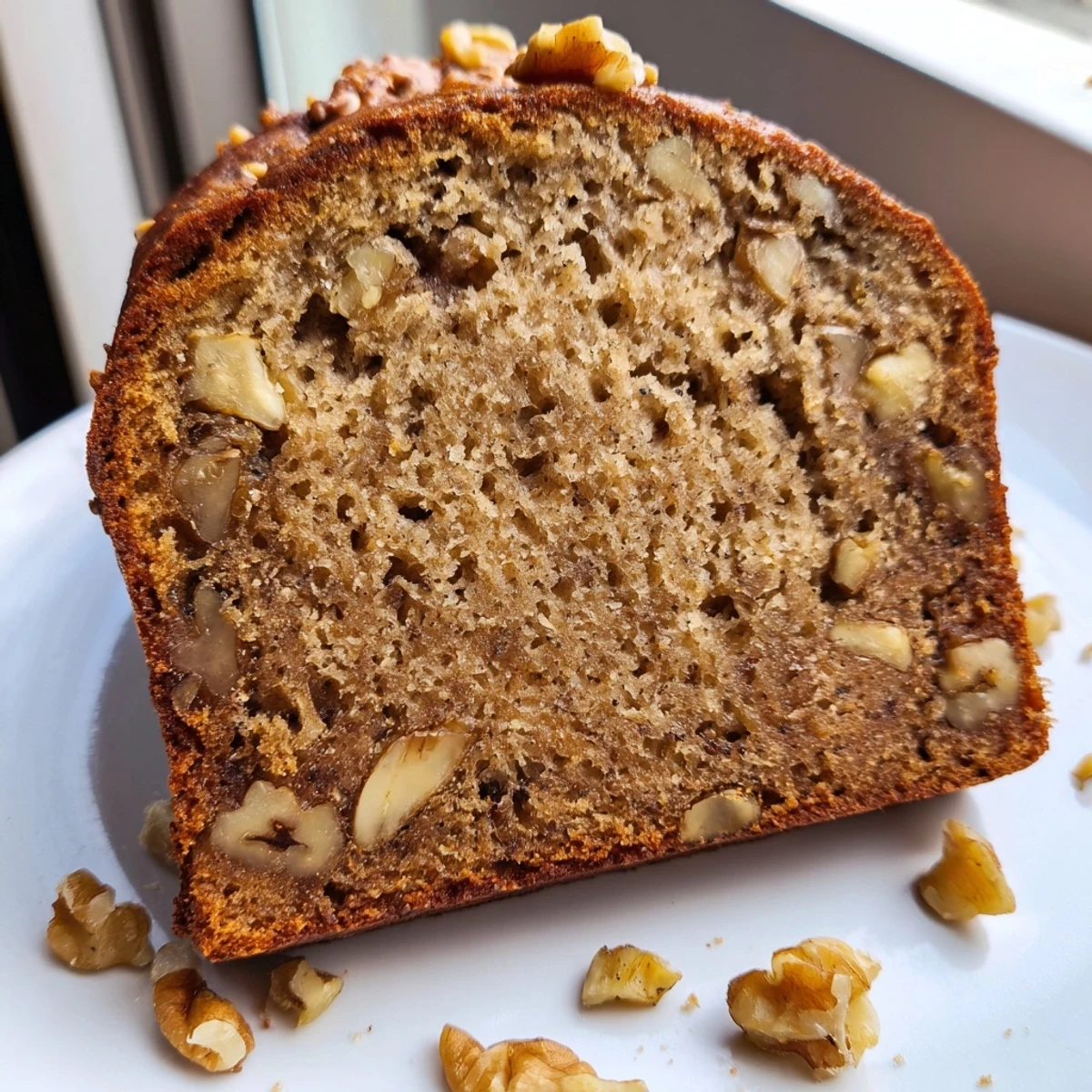
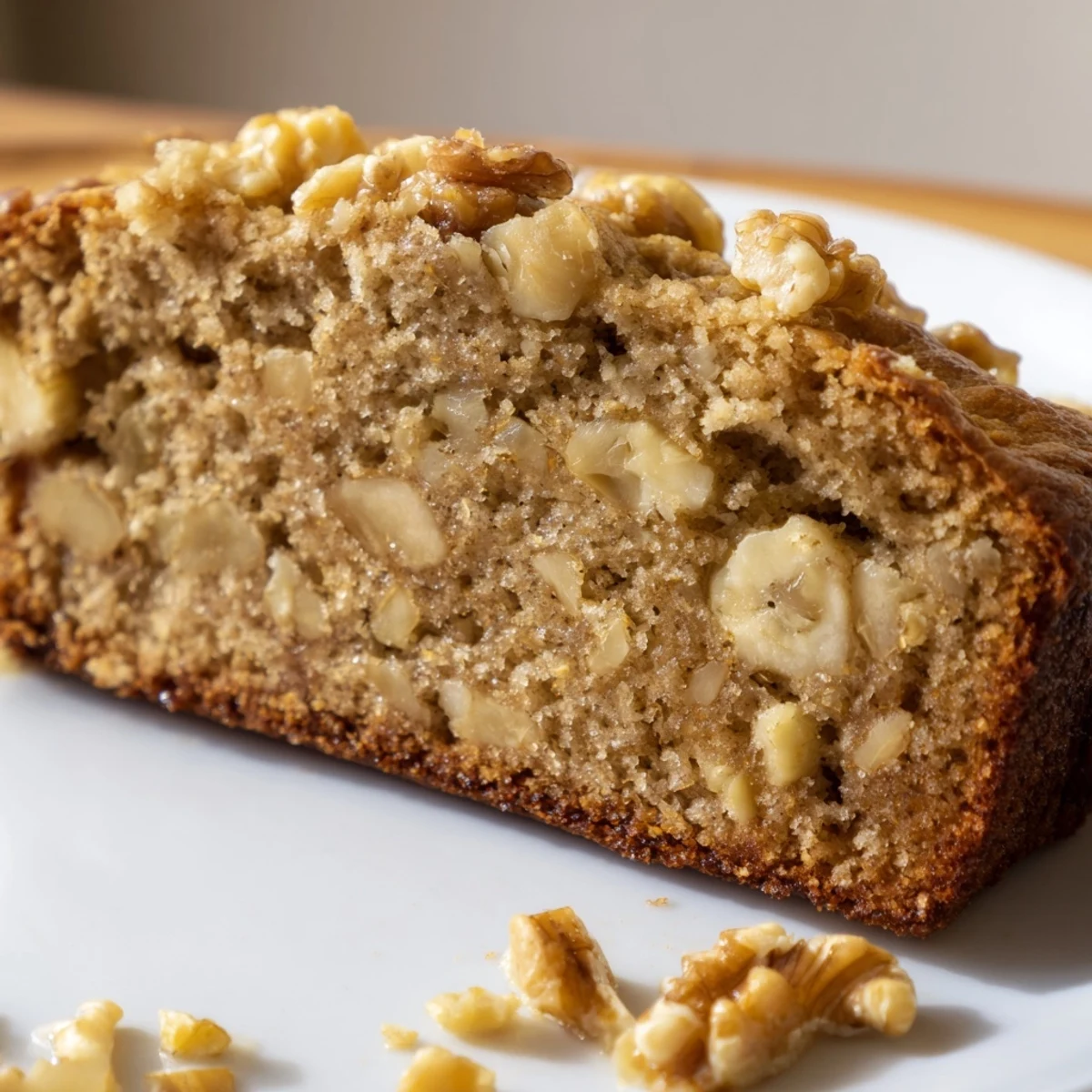
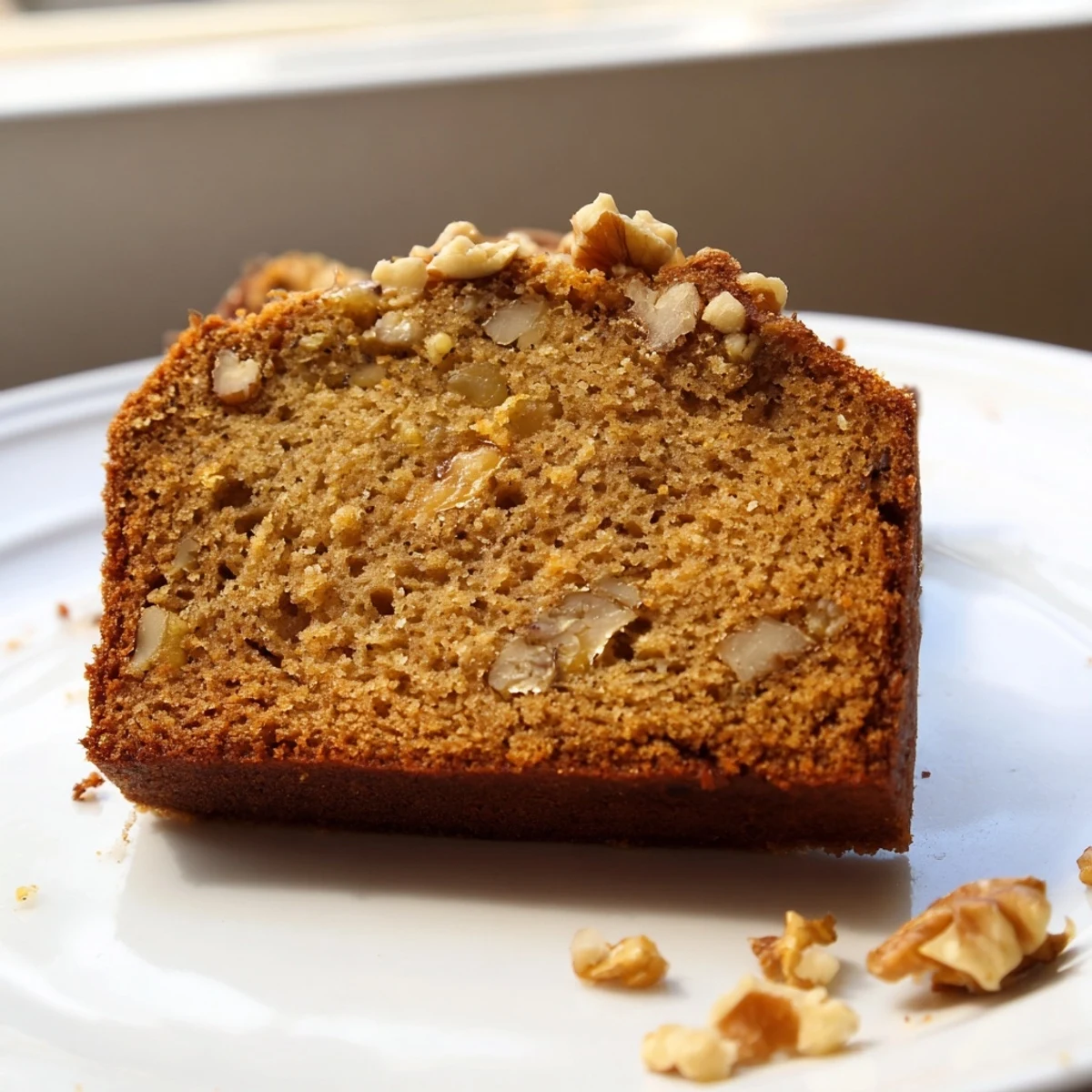
 This beloved banana nut bread brings together three mashed ripe bananas, chopped walnuts, and a hint of cinnamon in a tender, golden loaf. Melted butter and buttermilk keep every slice irresistibly moist, while a dual-sugar blend adds depth of flavor. Ready in just over an hour with minimal prep, it's ideal for breakfast, dessert, or an afternoon snack. The loaf freezes beautifully for up to two months, so you can always have a warm, comforting slice on hand.
My grandmother never measured anything for this banana bread, yet it came out perfect every single time. I once stood beside her with a notebook trying to catch the measurements, and she just laughed and told me to watch the bananas instead. The secret, she said, was all in how freckled they were.
I baked this for a rainy Sunday brunch last fall and my roommate, who swore she hated banana bread, ate three slices standing at the counter. She said it tasted like something from a bakery, which honestly felt like the highest compliment I have ever received in my own kitchen.
Ingredients
- 3 large ripe bananas, mashed: The blacker the peel, the sweeter and more flavorful your bread will be, so do not rush this part
- 2 large eggs, room temperature: Cold eggs can seize the melted butter, so let them sit out while you gather everything else
- 1/2 cup unsalted butter, melted and cooled: Cooling it prevents scrambling the eggs and keeps the texture even throughout
- 1/2 cup buttermilk or milk: Buttermilk adds a subtle tang and tenderness that regular milk just cannot replicate
- 1 teaspoon pure vanilla extract: Do not skip this, it is the quiet background note that makes people ask what your secret is
- 1 3/4 cups all-purpose flour: Spoon and level rather than scooping directly from the bag to avoid dense bread
- 3/4 cup granulated sugar: This gives the classic sweet crumb without tipping into cake territory
- 1/4 cup packed brown sugar: The molasses in brown sugar adds depth and a beautiful golden color to the crust
- 1 teaspoon baking soda: This is your only leavening agent, reacting with the acidic bananas and buttermilk for lift
- 1/2 teaspoon salt: Even sweet baked goods need salt to make all the flavors actually taste like themselves
- 1/2 teaspoon ground cinnamon: Optional, but it adds a warmth that pairs beautifully with the banana flavor
- 2/3 cup chopped walnuts or pecans: Toast them lightly in a dry pan first and the flavor difference will shock you
Instructions
- Preheat and prep your pan:
- Set your oven to 350°F (175°C) and grease a 9x5-inch loaf pan or line it with parchment paper so the bread lifts out cleanly.
- Whisk the wet ingredients together:
- Mash those freckled bananas well, then whisk in the eggs, melted cooled butter, buttermilk, and vanilla until everything is smooth and combined.
- Mix the dry ingredients separately:
- In another bowl, stir together the flour, both sugars, baking soda, salt, and cinnamon so the leavening distributes evenly.
- Fold gently and do not overmix:
- Pour the dry ingredients into the wet and fold with a spatula just until you no longer see dry flour, because overmixing makes tough bread.
- Add the nuts:
- Fold in the chopped walnuts or pecans gently so they stay in pieces rather than turning into nut dust.
- Pour and top:
- Transfer the batter to your prepared pan, smooth the top, and scatter a handful of extra nuts across the surface for that inviting look.
- Bake until done:
- Bake for 50 to 60 minutes until a toothpick in the center comes out clean or with just a few moist crumbs attached.
- Cool before slicing:
- Let the bread rest in the pan for 10 minutes, then move it to a wire rack because cutting it hot will make it gummy.
 Save to Pinterest
 My mother called me the evening I finally nailed this recipe and said she could smell it through the phone. That loaf became the one I bring to every potluck now, wrapped in foil with a handwritten tag, because some recipes are meant to be shared.
Getting the Bananas Right
I used to bake with bananas that were barely spotted, thinking they were fine. Once I let a bunch go nearly black on the counter and used those instead, the difference in sweetness and moisture was so dramatic I felt like I had been making a completely different recipe all along.
The Nut Question
Walnuts and pecans each bring something different to this bread. Walnuts have a slightly bitter edge that cuts the sweetness, while pecans lean buttery and rich. I usually go with walnuts because that is what Nana used, but a handful of each is never a bad decision.
Storing and Freezing
This bread actually tastes better on day two once the flavors settle into each other. Wrap it tightly in foil at room temperature and it stays fresh for three days. For longer storage, wrap individual slices in plastic wrap, then foil, and freeze for up to two months.
- Thaw frozen slices at room temperature for about an hour or pop them in a 300°F oven for ten minutes
- Never refrigerate banana bread because the cold air dries out the crumb faster than you would expect
- A light reheat in the toaster oven brings back that just baked warmth wonderfully
 Save to Pinterest
 Some recipes you follow exactly and others you learn by feel, and this banana bread lives in that second category. Trust the bananas, do not overthink it, and your kitchen will smell like home.
Recipe FAQs
- → Can I use pecans instead of walnuts?
-
Absolutely. Pecans work beautifully and bring a slightly richer, buttery flavor. You can also use a mix of both nuts.
- → How do I know when the bread is done baking?
-
Insert a toothpick into the center of the loaf. It should come out clean or with just a few moist crumbs, typically around 50 to 60 minutes.
- → Can I freeze this banana nut bread?
-
Yes. Wrap the cooled loaf tightly in foil, then freeze for up to two months. Thaw at room temperature before slicing.
- → What if I don't have buttermilk?
-
Regular milk works fine as a substitute. For a closer match, add a tablespoon of lemon juice or white vinegar to your milk and let it sit for five minutes.
- → Can I add chocolate chips to the batter?
-
Yes. Fold in about a half cup of chocolate chips along with the nuts for a delicious variation.
- → Why is it important not to overmix the batter?
-
Overmixing develops excess gluten, which can make the bread dense and tough instead of tender and moist.