
 Save to Pinterest
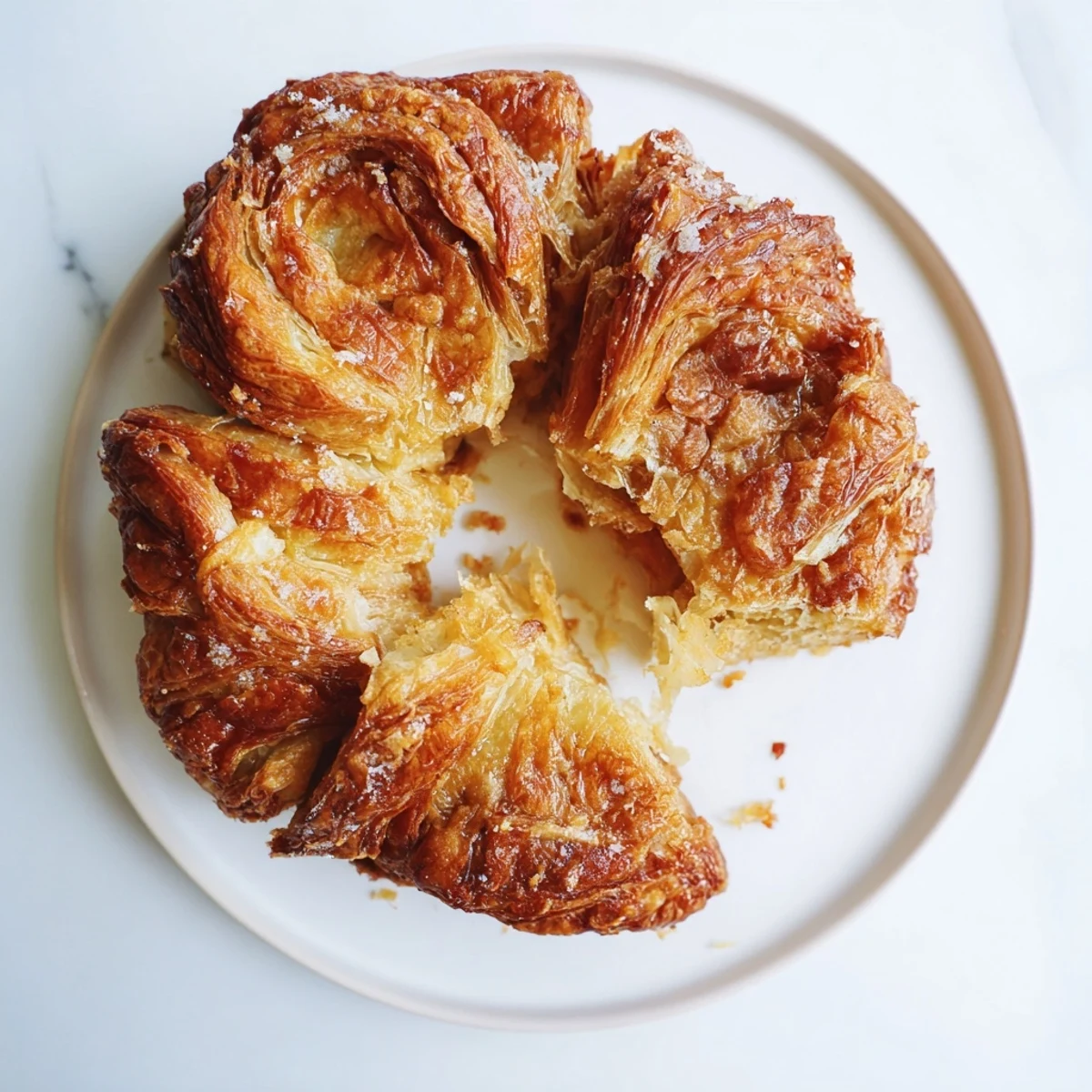
 Kouign Amann (pronounced 'queen ah-MAHN') translates to 'butter cake' in Breton, originating from Brittany, France in the 19th century. This pastry achieves its signature texture through lamination, where cold butter is folded into dough multiple times with sugar, creating dozens of caramelized layers. The high butter content and sugar coating produce a crisp, amber exterior while the interior remains tender and airy. Unlike croissants which rely on yeast lift alone, Kouign Amann develops its structure from both fermentation and the steam created during baking.
The smell of caramelized sugar hitting hot butter still takes me back to that tiny apartment kitchen where I first attempted kouign amann at midnight. I had no business attempting a Breton pastry that translates to butter cake in Welsh, but something about those caramelized edges called to me. My kitchen looked like a sugar factory explosion, and I was convinced I had failed until that first bite broke through the crisp exterior into tender, flaky layers.
My sister stayed over during those first experimental weeks, and wed sit on the kitchen floor watching the oven like hawks. She kept asking if it was burning, but I knew that deep amber color was exactly what we wanted. When we finally pulled it out, the whole apartment smelled like a French bakery at dawn, and we burned our tongues on samples that were too hot to eat but too perfect to wait for.
Ingredients
- All purpose flour: Creates the structure that holds all those butter layers together without becoming tough
- Instant dry yeast: Gives the dough just enough rise to create those signature tender layers
- Fine sea salt: Balances the intense sweetness and actually makes the caramel flavor pop
- Lukewarm water: Activates the yeast without killing it, around 80°F is perfect
- European style butter: The higher butterfat content makes all the difference in flakiness and flavor
- Granulated sugar: Creates those magical caramelized layers between the dough
Instructions
- Mix the base dough:
- Combine flour, salt, and yeast in a large bowl, then add lukewarm water and mix until shaggy. Knead on a clean surface for 5 to 7 minutes until the dough feels smooth and elastic under your hands. Cover and let it rise for 1 hour until it has doubled in size.
- Prepare the butter block:
- Place cold butter between parchment sheets and pound it with a rolling pin until pliable. Roll into a 6 inch square and keep it refrigerated until needed but still workable.
- Encase the butter:
- Roll the risen dough into a 12 inch square on a lightly floured surface. Place the butter square in the center and fold the dough edges over it like an envelope, pinching to seal completely.
- First fold with sugar:
- Roll the dough into a 16 by 8 inch rectangle and sprinkle one third of the sugar evenly across the surface. Fold into thirds like a letter, then rotate 90 degrees and repeat the rolling and folding process.
- Second sugar fold:
- Roll out again, sprinkle with another third of the sugar, and fold into thirds. Roll out one final time, use the remaining sugar, and fold again. Wrap the dough and refrigerate for 30 minutes to let the gluten relax.
- Prepare the pan:
- Generously butter a 9 inch round cake pan and dust it with sugar, tapping out any excess. This extra sugar layer creates the caramelized bottom that makes kouign amann legendary.
- Shape the pastry:
- Roll the chilled dough into a 14 inch circle, then fold the edges inward to form a rough square. Place it seam side down in the prepared pan and press gently to fit.
- Final rise:
- Cover loosely with a towel and let the dough rise for 30 to 45 minutes until noticeably puffy. Preheat your oven to 400°F during the last 15 minutes of rising.
- Bake to perfection:
- Bake for 30 to 35 minutes until the top is deep golden brown and caramelized. If the top darkens too quickly, tent it loosely with foil for the last 10 minutes.
- Cool carefully:
- Let the kouign amann rest in the pan for exactly 5 minutes, then invert it onto a wire rack immediately. Waiting longer risks the caramel hardening and sticking permanently to the pan.
 Save to Pinterest
 Last summer I made these for a neighborhood gathering and watched skeptical faces turn completely reverent at first bite. Someone asked what bakery I had bought them from, and seeing their disbelief when I said I woke up at dawn to bake them felt like winning a secret prize.
Understanding The Lamination
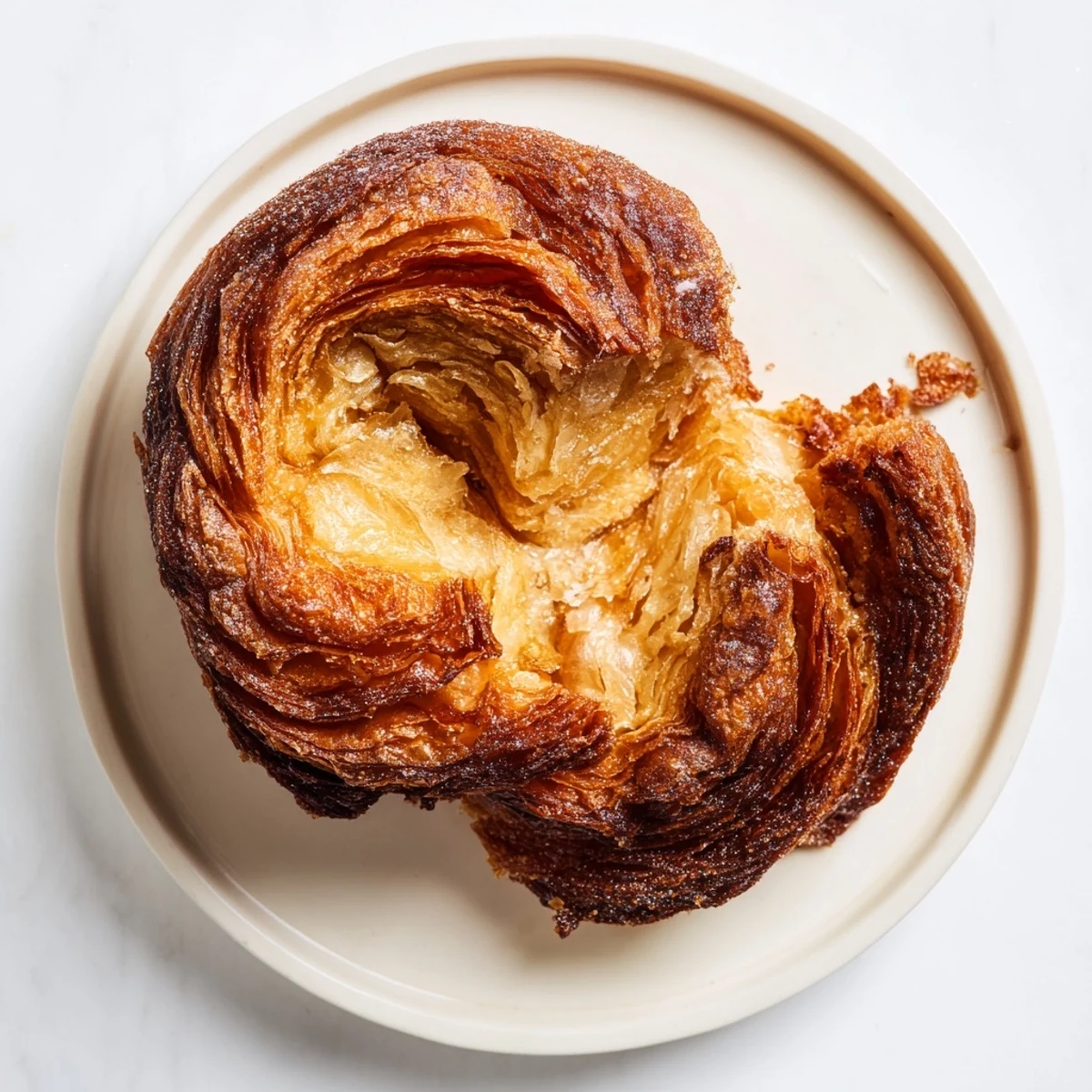
Those layers exist because cold butter creates steam pockets in the hot oven, lifting the dough apart into hundreds of micro layers. Working quickly and keeping everything chilled is what preserves those distinct layers instead of melting them into a single cohesive dough.
The Sugar Transformation
Some of the sugar melts into the dough while some stays crystallized, and some caramelizes into that signature crackling crust. Each sugar application creates a different textural experience in the final pastry, which is why the folding process matters so much.
Timing Your Bake
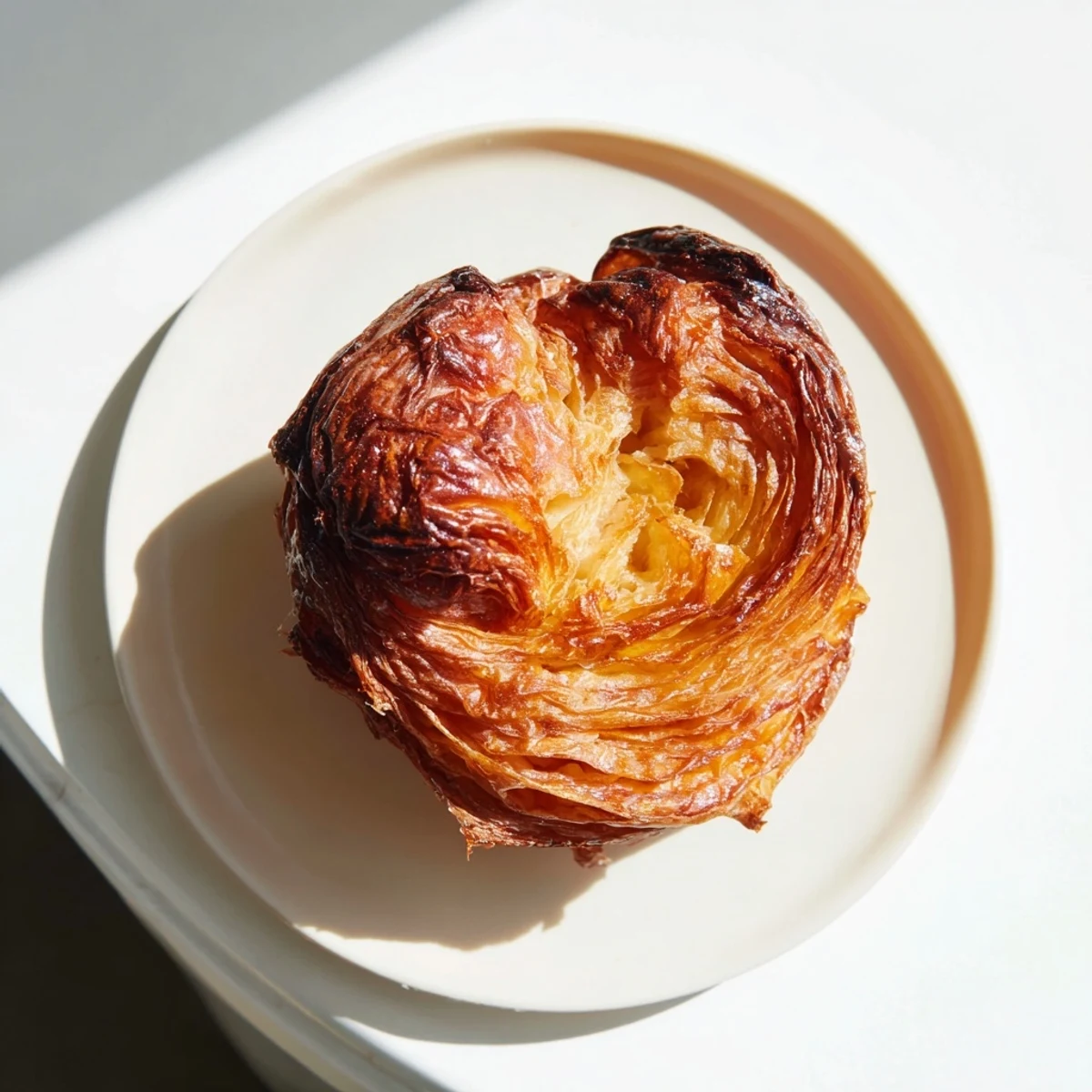
The window between perfectly caramelized and burnt is surprisingly narrow, so stay close to the oven during those last 10 minutes. Your nose will tell you when it is approaching done, and your eyes should look for deep mahogany spots, not just even golden color.
- Set a timer for 25 minutes and check every 2 minutes after that
- If using a dark pan, reduce the oven temperature by 25 degrees
- The center should feel firm but not hard when gently pressed
 Save to Pinterest
 Kouign amann is best the day it is made, but I have never had to worry about leftovers. The pastry that taught me patience also taught me that some things are worth every minute of effort.
Recipe FAQs
- → What makes Kouign Amann different from croissants?
-
Kouign Amann incorporates sugar into the lamination process, creating deep caramelization and a crisp, sticky exterior. The dough contains less butter than croissants but achieves intense flavor through the sugar coating that melts and caramelizes during baking.
- → Why is European butter recommended?
-
European-style butter contains higher fat content (82-84%) compared to American butter (80%), resulting in better lamination and richer flavor. The lower moisture content prevents the dough from becoming soggy during folding.
- → Can Kouign Amann dough be made ahead?
-
Yes, the laminated dough can be wrapped tightly and refrigerated overnight after the final fold. Bring to room temperature for 15 minutes before rolling and shaping for best results.
- → What causes the caramelized crust?
-
The sugar layers between dough folds melt and caramelize during baking, creating the signature amber exterior. Additional sugar sprinkled on top accelerates this process, forming a crisp, sweet coating.
- → How should Kouign Amann be stored?
-
Best enjoyed fresh on the day of baking while the exterior remains crisp. Store in an airtight container for up to 2 days and reheat at 350°F (175°C) for 5-7 minutes to restore texture.
- → What if the butter leaks during baking?
-
Some butter leakage is normal. Place the pan on a baking sheet to catch drips. Ensure the dough is properly chilled between folds and that butter remains cold throughout lamination to minimize leakage.