
 Save to Pinterest
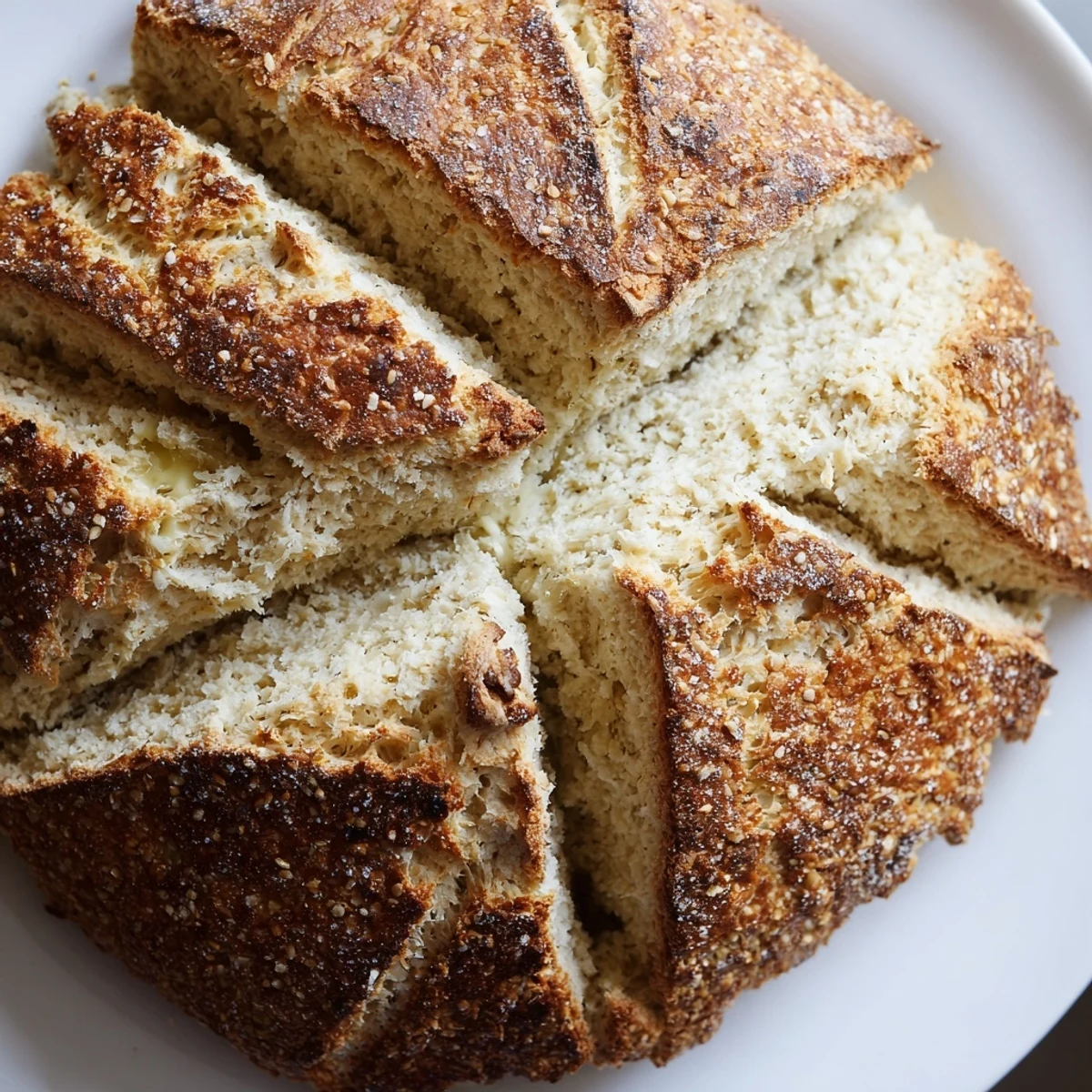
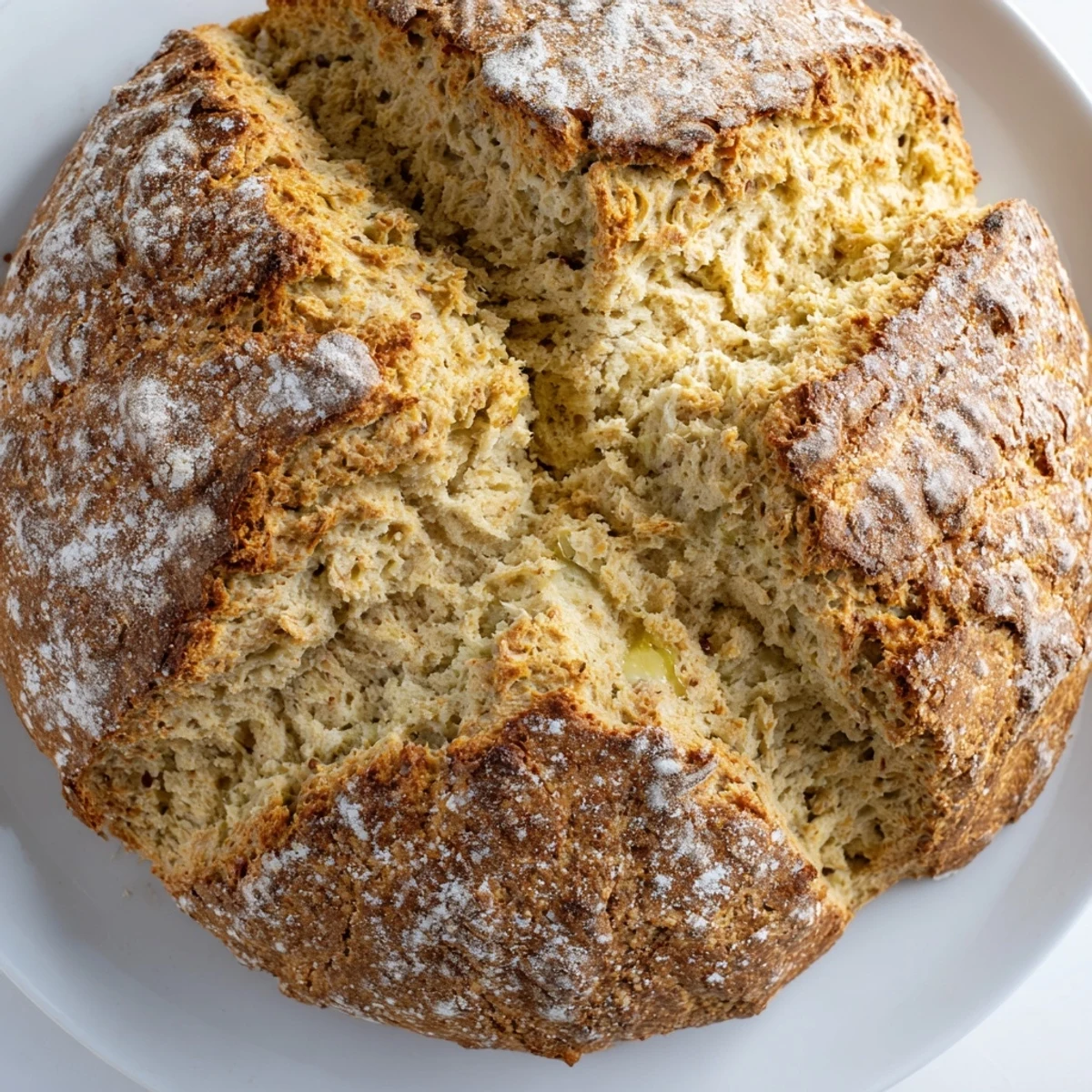
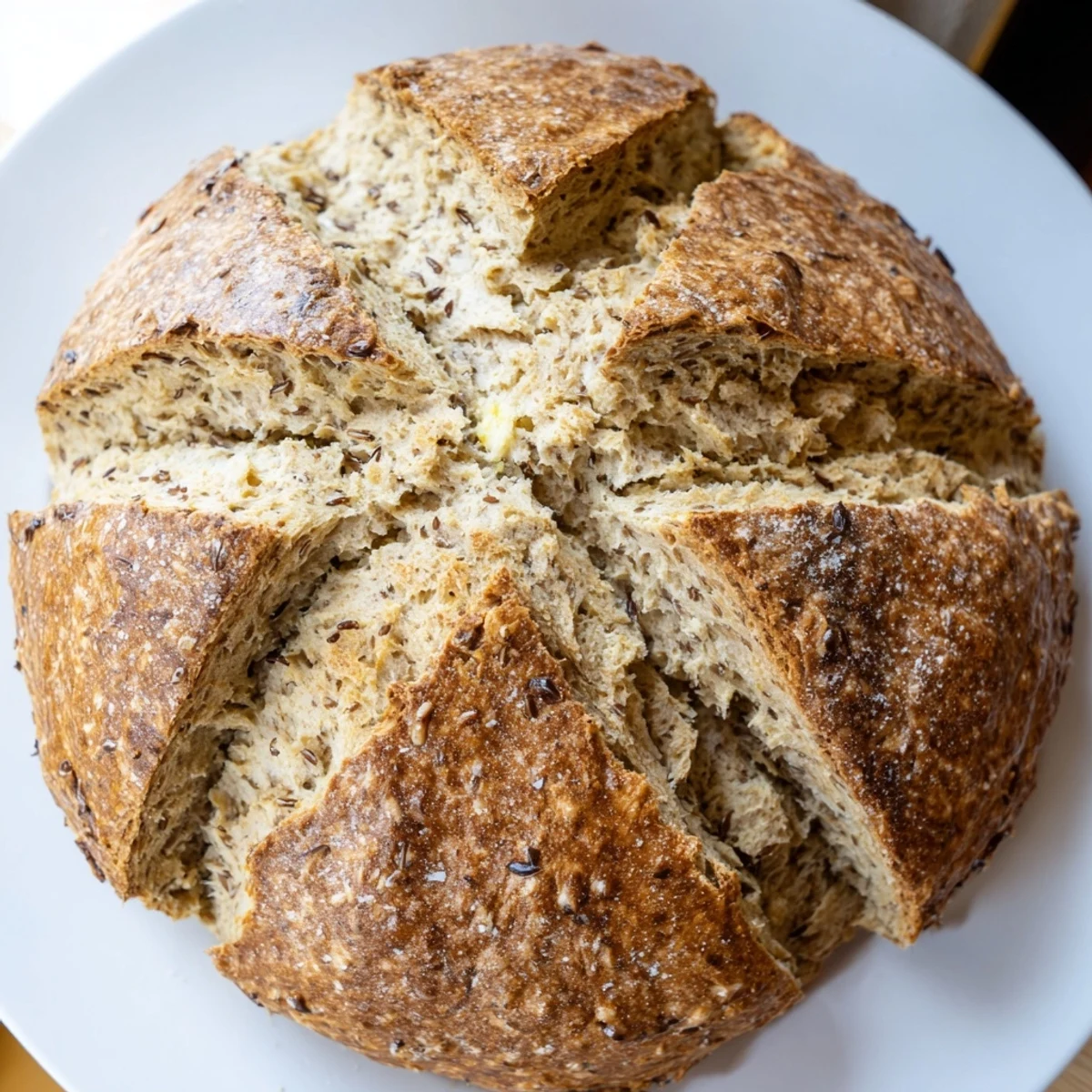
 This rustic Irish bread highlights the aromatic warmth of caraway seeds. Ready in under an hour, it features a crisp crust and tender crumb with minimal kneading. The combination of baking soda and buttermilk provides a unique rise without yeast. Perfect when paired with hearty soups, stews, or simply enjoyed with butter. Optional additions like raisins or whole wheat flour offer versatility to suit your taste.
My tiny apartment kitchen smelled like anise and comfort the first time I baked this bread. I had no bread machine, no proofing basket, and absolutely zero patience for yeast recipes. That rainy afternoon, mixing flour and buttermilk with my hands felt like rediscovering something ancient and simple.
I brought a still-warm loaf to a friends potluck once, and people literally stopped mid-conversation when I cut into it. The crunch of that crust, the steam rising up, the way the butter melted into every crevice—it became the thing everyone asked me to bring to every gathering after that.
Ingredients
- All-purpose flour: The structure here matters, so measuring by weight gives you the most consistent results every time
- Baking soda: This is your leavening agent, reacting instantly with the acidic buttermilk to create rise
- Salt: Do not skip this or reduce it, as it balances the sweetness and makes the caraway sing
- Caraway seeds: Toast them briefly in a dry pan beforehand to intensify their licorice-like warmth
- Granulated sugar: Just enough to balance the caraways slight bitterness and help with browning
- Buttermilk: The acidity here is non-negotiable for the chemical reaction that makes soda bread work
- Unsalted butter: Melted into the dough creates tenderness, while brushing the top gives you that gorgeous finish
Instructions
- Get your oven ready first:
- Preheat to 425°F and line a baking sheet with parchment paper so you are not scrambling when the dough is ready.
- Whisk the dry ingredients together:
- Combine the flour, baking soda, salt, sugar, and caraway seeds in a large bowl until everything is evenly distributed.
- Create your well:
- Make a deep depression in the center of the flour mixture, like a little bowl waiting to be filled.
- Bring it together:
- Pour in the buttermilk and melted butter, then stir with a wooden spoon until you have a shaggy, sticky dough that barely holds together.
- Minimal kneading is key:
- Turn the dough onto a floured surface and gently fold it over itself just once or twice—overworking will make your bread tough.
- Shape and score:
- Form the dough into a round loaf about 7 to 8 inches across, then use a sharp knife to cut a deep X across the top to help it expand properly.
- Bake until golden:
- Bake for 35 to 40 minutes until the crust is deeply browned and the bottom sounds hollow when tapped.
- Finish with butter:
- Brush the top with melted butter while its still hot, then let it cool for at least 30 minutes before slicing into it.
 Save to Pinterest
 My grandmother used to say soda bread was born from necessity and desperation, but eating it warm with salted butter feels like the opposite of desperate. Its become my go-to when I need to feed people something that says I care without spending hours in the kitchen.
Getting the Texture Right
The dough should feel sticky and slightly shaggy, not smooth like yeast bread dough. If it feels too wet to handle, dust your hands with flour rather than adding more to the bowl. This bread rewards a light touch, and that slight roughness translates into the most satisfying crumb.
Make It Your Own
Half whole wheat flour adds nuttiness and depth that pairs beautifully with the caraway. I have also added currants on days when I wanted something closer to the sweeter Irish American style, though purists might argue that is a different bread entirely.
Serving and Storing
This bread is best eaten the same day, because the lack of fat means it stales faster than other breads. If you have leftovers, toast them and spread with salty butter or sharp cheddar.
- Wrap cooled bread in a clean kitchen towel rather than plastic to maintain the crusts texture
- Revive slightly stale slices by sprinkling with water and warming in a 350°F oven for 5 minutes
- Freeze slices individually and pop them directly in the toaster for emergency bread needs
 Save to Pinterest
 There is something profoundly satisfying about bread that requires nothing more than what is already in your cupboard and a little bit of trust in the chemistry.
Recipe FAQs
- → What gives the bread its rise without yeast?
-
Baking soda reacts with the acidity in buttermilk to create bubbles, causing the bread to rise quickly without yeast.
- → Can I substitute whole wheat flour in this bread?
-
Yes, substituting half the flour with whole wheat adds a richer flavor and denser texture while maintaining a tender crumb.
- → How do caraway seeds affect the flavor?
-
Caraway seeds impart a warm, slightly nutty and aromatic taste that complements the bread’s rustic character.
- → Is kneading the dough necessary?
-
Minimal kneading is recommended; overworking can toughen the texture. The dough should just come together before shaping.
- → What is the best way to check if the bread is baked through?
-
The loaf sounds hollow when tapped on the bottom, and the crust is golden brown, indicating it’s fully baked.
- → Can this bread be made sweeter?
-
Adding raisins or currants to the dry ingredients introduces natural sweetness and a pleasant chew.