
 Save to Pinterest
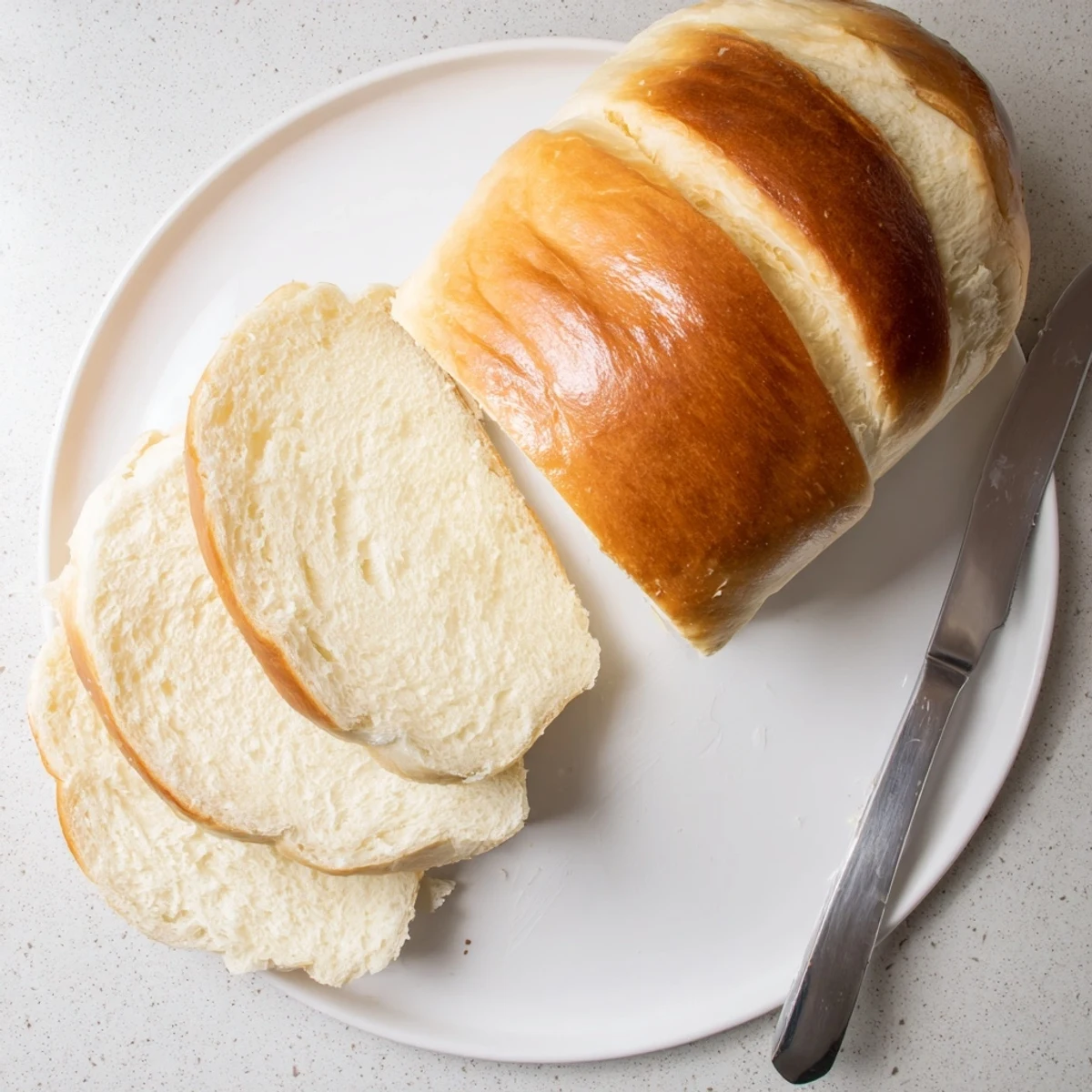
 Create two beautiful golden loaves of classic Amish white bread with this simple technique. The dough comes together with warm water, sugar, yeast, and basic pantry ingredients, then rises twice for that signature light and airy texture. Each slice delivers a tender crumb with subtle sweetness, making it ideal for morning toast, sandwich building, or serving alongside hearty soups and stews.
The process rewards patience—let the yeast foam properly, knead until smooth and elastic, and allow plenty of rising time in a warm spot. Brushing warm loaves with melted butter creates an irresistibly soft crust that keeps fresh for days. This versatile staple freezes beautifully, so you can always have homemade bread ready.
My grandmother never measured anything when she made bread, she just knew by the feel of the dough against her hands whether it needed more flour or water. I spent countless Sunday afternoons watching her work that dough, her hands dusted with white flour, always patient when I tried to copy her movements. This Amish white bread brings me back to that kitchen every time I bake it.
Last winter my neighbor came over during a snowstorm with nothing but flour and yeast in her pantry, so we spent the afternoon making this bread together while her kids played board games on the floor. We ended up with four warm loaves, the house smelled incredible, and we ate slice after slice right out of the oven, barely letting them cool.
Ingredients
- Warm water: Think bathwater temperature, around 43°C if you want to be precise, but wrist-warm works perfectly
- Granulated sugar: Feeds the yeast and adds that gentle sweetness that makes this bread so comforting
- Active dry yeast: Make sure it bubbles and foams during activation, otherwise your bread wont rise properly
- Salt: Essential for flavor balance and helps control the yeast activity
- Vegetable oil or melted butter: Butter adds richer flavor but oil keeps the bread softer longer
- All-purpose flour: Start with 5 1/2 cups and only add more until the dough pulls away from the bowl cleanly
Instructions
- Wake up the yeast:
- Dissolve sugar in warm water, sprinkle yeast on top, and wait 5 to 10 minutes until you see a foamy layer form on the surface
- Build the dough:
- Stir in salt and oil, then gradually add flour one cup at a time until you have a soft dough that clears the sides of the bowl
- Knead with purpose:
- Turn onto a floured surface and knead for 6 to 8 minutes, folding and pushing until the dough feels smooth and elastic like a stress ball
- First rise:
- Place dough in a greased bowl, cover, and let rise in a warm spot for about 1 hour until doubled in size
- Shape the loaves:
- Punch down gently, divide in half, and shape each piece into a loaf before placing in greased 9x5 inch pans
- Second rise:
- Cover pans and let rise again until dough creeps about 1 inch above the pan rim, roughly 30 to 45 minutes
- Bake to golden:
- Bake at 350°F for 25 to 30 minutes until the tops are golden brown and the loaves sound hollow when tapped
- Finish with butter:
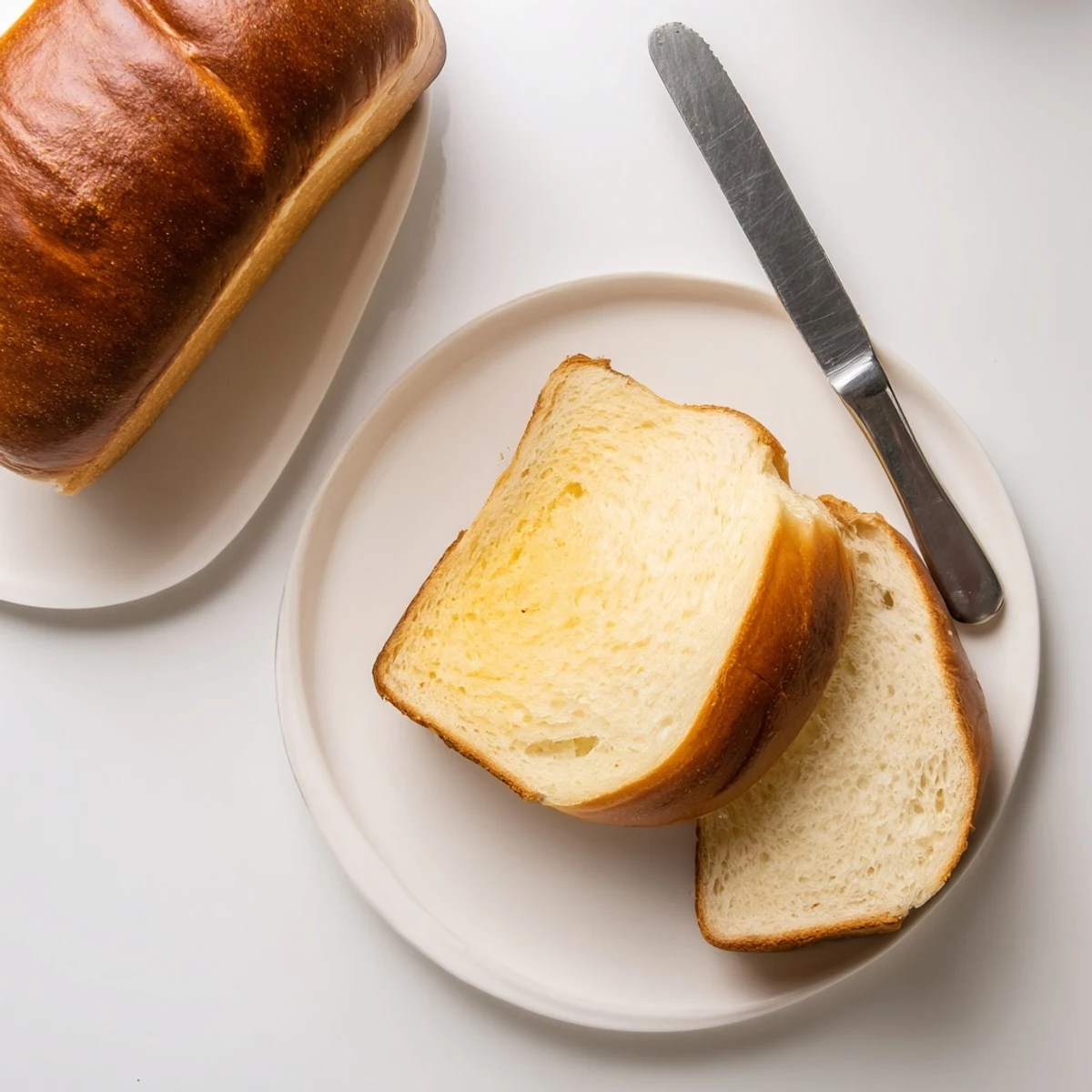
- Brush tops with melted butter immediately after baking for a softer crust, then cool completely before slicing
 Save to Pinterest
 This bread became a weekend tradition during my first year of marriage, when we were broke and baking felt like an act of love that also filled our kitchen with warmth. My husband still talks about coming home to that smell, and how slicing into the first loaf felt like such a victory every single time.
Making It Your Own
Replace half the water with warm milk for a richer flavor and slightly softer crumb. A tablespoon of honey added with the sugar gives the most subtle floral sweetness that people notice but cannot quite identify.
Storage Secrets
Once completely cooled, store bread in an airtight bag or bread box for up to 4 days. This bread freezes beautifully either as whole loaves wrapped tightly or pre sliced and ready to pop in the toaster.
Ways To Use Leftover Bread
Day old bread makes incredible French toast, especially when dipped in a mixture of eggs, vanilla, and cinnamon. Stale cubes transform into the most delicious bread pudding when soaked in a rich custard and baked until golden.
- Crumbs from the heels work perfectly as binder in meatloaf or meatballs
- Toast slices and rub with garlic for instant croutons in salads or soup
- Dried cubes make the classic bread stuffing you will want to serve at every holiday
 Save to Pinterest
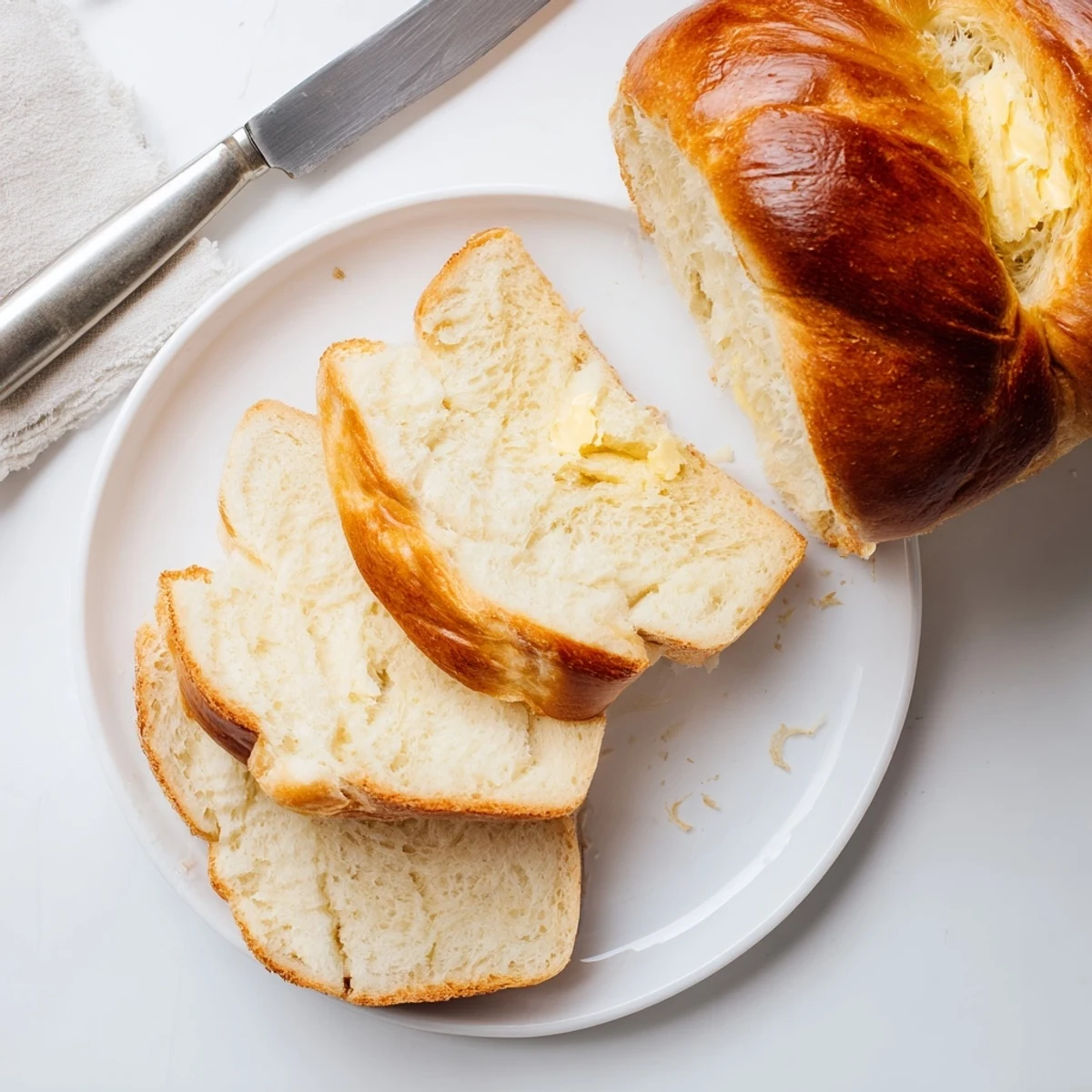
 There is something deeply satisfying about pulling two perfectly golden loaves from the oven, knowing you created something so fundamental and nourishing with your own hands.
Recipe FAQs
- → What makes Amish white bread different from regular white bread?
-
Amish white bread typically contains a bit more sugar than standard white bread, giving it a subtly sweet flavor and softer texture. The dough is often enriched with oil or butter, creating a tender crumb that stays fresh longer. The double-rising method develops exceptional fluffiness.
- → How do I know when the yeast is properly activated?
-
After sprinkling yeast over warm water with sugar, wait 5-10 minutes. The mixture should become foamy and bubbly, with a distinct yeasty aroma. If no foam appears, your yeast may be expired or the water was too hot or cold. Start fresh with new yeast.
- → Can I make this bread without a stand mixer?
-
Absolutely. Mix ingredients with a wooden spoon or sturdy spatula until flour is incorporated, then turn onto a floured surface and knead by hand for 6-8 minutes. The dough should feel smooth and spring back when gently pressed. Many bakers prefer the tactile feedback of hand-kneading.
- → Why did my bread turn out dense or heavy?
-
Dense bread usually results from under-kneading, insufficient rising time, or too much flour. Ensure you knead until the dough passes the windowpane test—stretched thin enough to see light through without tearing. Also verify your rising spot is warm enough (75-85°F is ideal) and don't rush the proofing stages.
- → How should I store Amish white bread?
-
Once completely cooled, wrap loaves tightly in plastic wrap or place in an airtight bag at room temperature for up to 4 days. For longer storage, slice and freeze in freezer bags—thaw individual slices as needed. Avoid refrigerating bread, which accelerates staling.
- → Can I substitute whole wheat flour for all-purpose?
-
You can replace up to half the all-purpose flour with whole wheat flour for added nutrition and flavor. However, using 100% whole wheat will yield a denser, heavier loaf. Consider adding vital wheat gluten or an extra tablespoon of water to compensate for whole wheat's absorbency.