
 Save to Pinterest
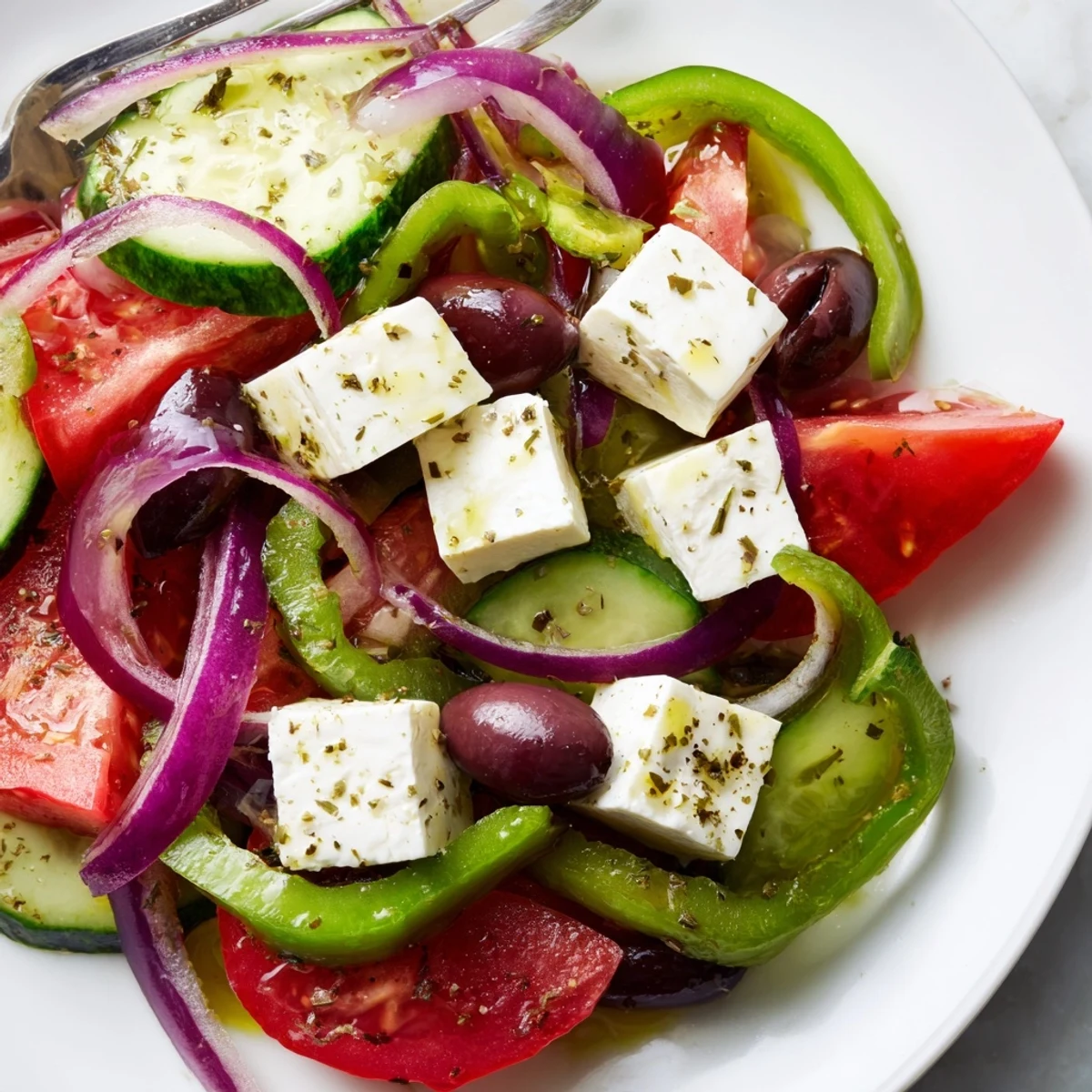
 This classic Greek salad brings together ripe tomatoes, crisp cucumber, red onion, and bell pepper with authentic Kalamata olives and creamy feta. A simple olive oil and red wine vinegar dressing infused with dried oregano ties everything together.
Ready in just 15 minutes with no cooking required, this refreshing dish captures the essence of Mediterranean cuisine. The quality of your olive oil and feta makes all the difference—opt for authentic Greek varieties when possible.
Serve alongside crusty bread or grilled meats for a complete meal. The flavors meld beautifully, making it ideal for meal prep or casual gatherings.
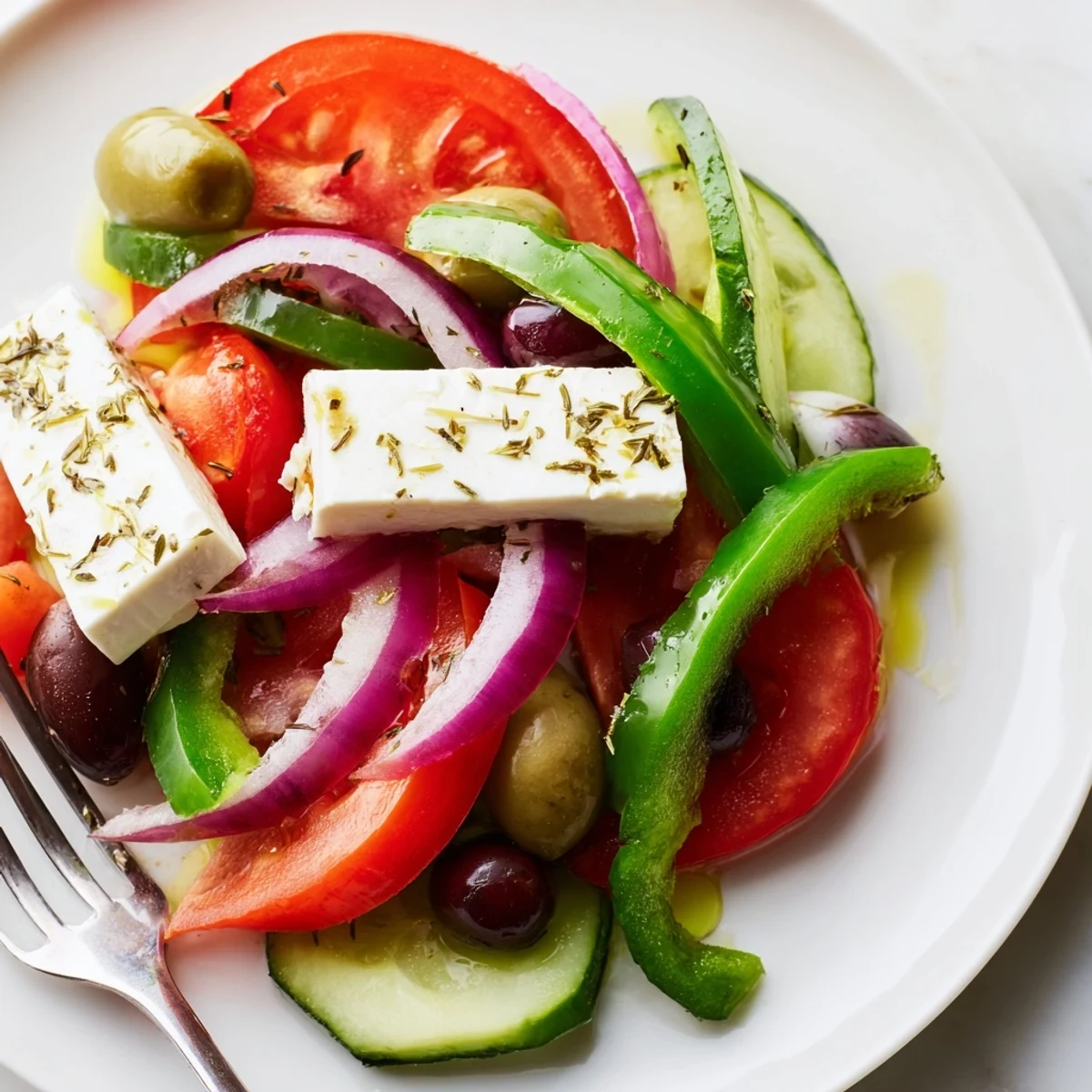
Standing in my tiny kitchen in Athens, my host Maria taught me that Greek salad isn't about tossing everything together. It's about layering vegetables with intention, letting each ingredient claim its space on the plate. The olives should be scattered like jewels, and the feta must crown the top in one proud slab. That afternoon changed everything I thought I knew about salads.
Last summer, I made this for a backyard barbecue and watched my vegetable-hating nephew go back for thirds. He kept stealing the feta cubes when no one was looking, claiming he was just taste testing. Now whenever I visit, he asks if the white cheese salad is on the menu.
Ingredients
- 2 large ripe tomatoes: Look for tomatoes that give slightly when pressed, they'll release juices that become part of the dressing
- 1 medium cucumber: English or Persian cucumbers work best because they have thinner skin and fewer seeds
- 1 small red onion: Soak the sliced onion in cold water for 10 minutes to tame the bite if you're sensitive
- 1 green bell pepper: The crunch contrasts beautifully with the soft tomatoes and creamy feta
- 150 g feta cheese: Greek feta is saltier and creamier than domestic versions, worth seeking out
- 100 g Kalamata olives: These dark purple olives pack a briny punch that balances the fresh vegetables
- 4 tbsp extra-virgin olive oil: Don't skimp here, the oil carries all the flavors together
- 1 tbsp red wine vinegar: Adds just enough brightness to cut through the olive oil
- 1 tsp dried oregano: Greek oregano is more potent, use a light hand if you can find it
- Salt and pepper: Go easy on salt since feta and olives are naturally salty
Instructions
- Prep your vegetables:
- Cut tomatoes into wedges, slice cucumber into half moons, and thinly slice the red onion into rings. Remove seeds from the bell pepper and slice into strips.
- Build your salad:
- In a large shallow bowl, arrange the tomatoes, cucumber, onion, and bell pepper in sections rather than tossing. This creates the traditional layered look.
- Add the briny elements:
- Scatter the Kalamata olives across the vegetables, letting them nestle into the crevices.
- Crown with feta:
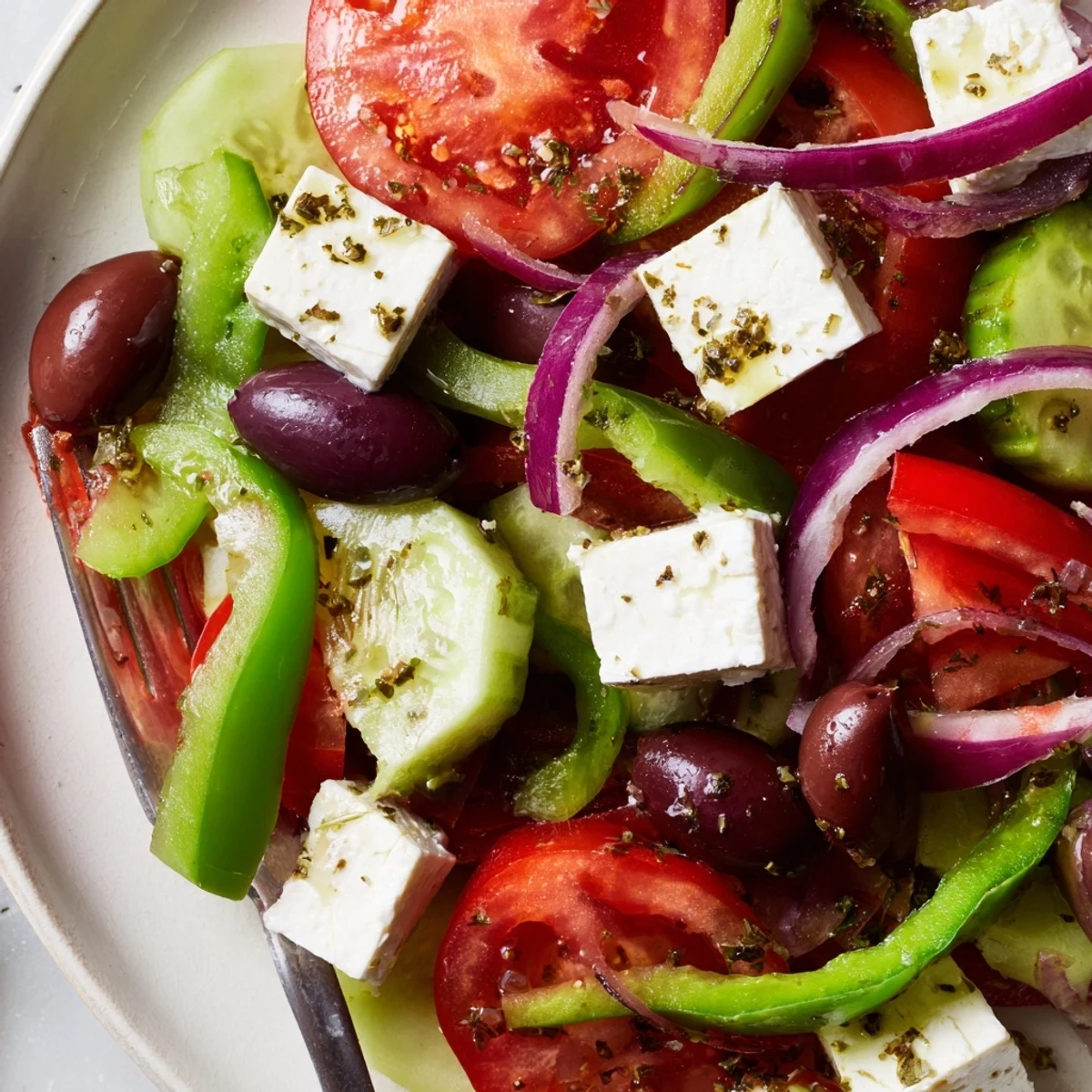
- Place the feta on top in one large piece or thick cubes. Traditional Greek salad always features the feta prominently, never crumbled into hiding.
- Make the dressing:
- Whisk together olive oil, red wine vinegar, oregano, salt, and pepper until emulsified.
- Dress and serve:
- Drizzle the dressing over the salad just before serving. Let everyone at the table toss their own portion, watching the feta break apart and coat the vegetables.
 Save to Pinterest
 My friend Yiannis told me that in Greek villages, the quality of a cook is judged by their horiatiki. The vegetables must speak for themselves, and the dressing should never overpower. I've learned that the best version is often the simplest, letting the summer produce shine.
Choosing Your Vegetables
The secret to an outstanding Greek salad is using vegetables at their peak. I've learned to shop at farmers markets in summer when tomatoes taste like sunshine. If your vegetables lack flavor, no amount of dressing can save them.
The Art of Feta
Not all feta is created equal. Greek feta protected by designation of origin comes from sheep's milk or a blend with goat's milk. It has a tangy, salty complexity that domestic versions can't match. I keep blocks of genuine Greek feta in brine in my refrigerator.
Serving Suggestions
This salad shines alongside grilled fish, lamb, or simply with crusty bread to soak up the juices. In Greece, it's often a meze, shared among friends with glasses of chilled Assyrtiko wine.
- Grill some pita bread and rub it with a cut garlic clove
- Pair with roasted chicken or souvlaki skewers
- Keep it simple and let it be the star of a light lunch
 Save to Pinterest
 Every time I make this, I'm back in that sun-drenched Athenian kitchen, learning that the best recipes are often the ones that let ingredients speak for themselves. Kalis oreksi.
Recipe FAQs
- → How do I cut the vegetables for Greek salad?
-
Cut tomatoes into wedges, slice the cucumber into rounds or half-moons, and thinly slice the red onion. The bell pepper works well in strips or rings. Keep pieces bite-sized for easy eating.
- → Can I make Greek salad ahead of time?
-
You can prepare the vegetables and dressing up to a day in advance, but add the feta and dress the salad just before serving. The salt in olives and feta will draw out moisture from vegetables if left too long.
- → What's the difference between Greek salad and regular salad?
-
Traditional Greek salad (Horiatiki) doesn't include lettuce—just fresh vegetables, olives, and feta. The dressing is simple olive oil and vinegar, often tossed at the table rather than pre-mixed.
- → How long does Greek salad last in the refrigerator?
-
Best enjoyed fresh within a few hours. If stored, vegetables will release water and become soggy. Keep components separate and combine just before eating for optimal texture.
- → What can I substitute for Kalamata olives?
-
Any brine-cured black olive works well—Niçoise, Gaeta, or oil-cured olives offer similar depth. Green olives change the flavor profile but can work in a pinch.
- → Is Greek salad healthy?
-
Absolutely. Packed with vegetables, healthy fats from olive oil, and protein from feta. It's naturally gluten-free and vegetarian, fitting easily into Mediterranean diet principles.