
 Save to Pinterest
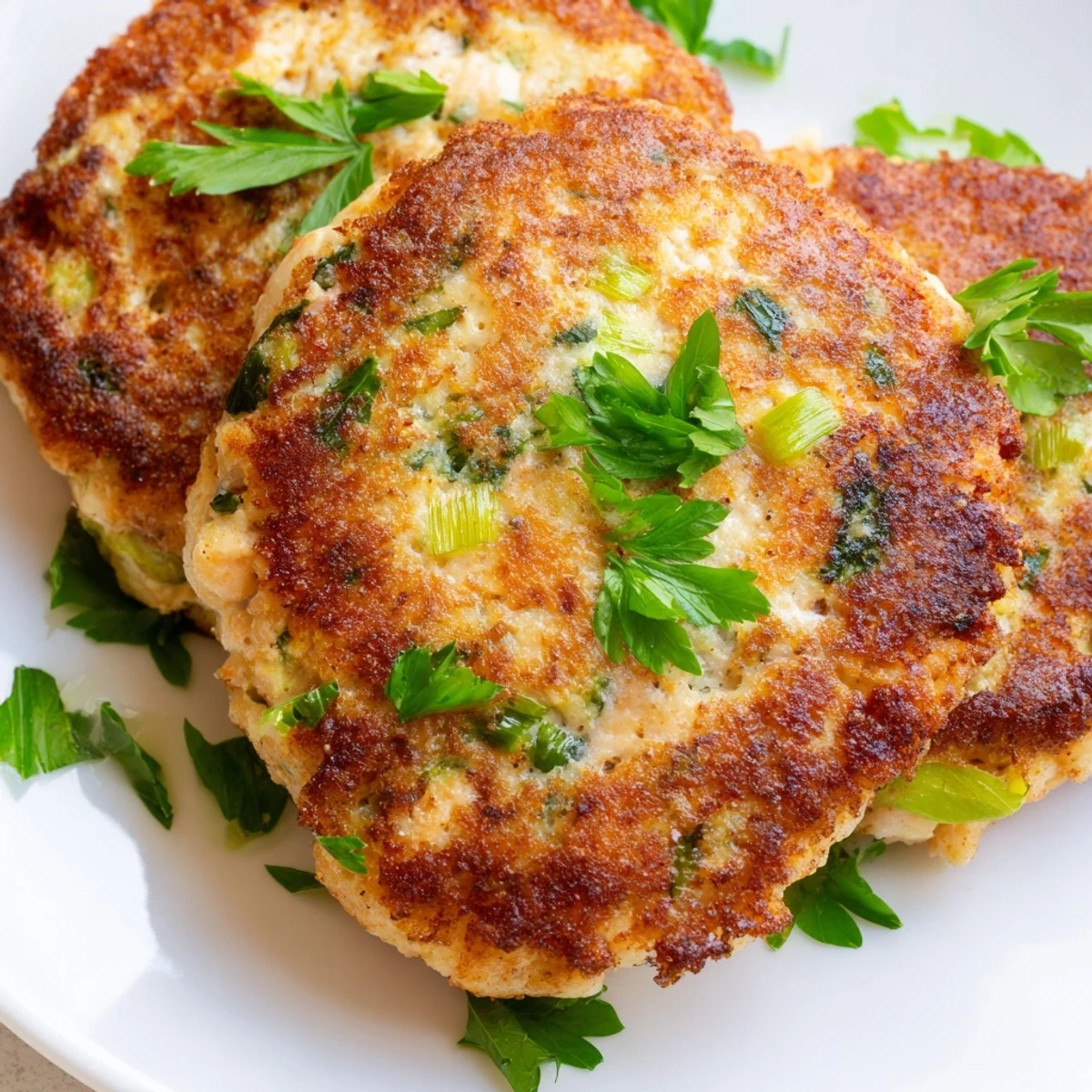
 These crispy-on-the-outside, tender-on-the-inside salmon cakes come together in just 25 minutes using budget-friendly canned salmon. The combination of flaked fish, fresh vegetables, and savory binders creates perfectly portioned patties that pan-fry to golden perfection. Serve as a main dish with a side salad or offer as appetizers at your next gathering.
My teenage son walked into the kitchen after basketball practice last winter, sniffing the air like a bloodhound. 'What's that smell?' he asked, already reaching toward the stove. I laughed as I flipped another salmon cake, the golden crust sizzling softly. He ended up eating three straight from the pan, burning his fingers but not caring one bit.
My neighbor Sarah shared this recipe when I mentioned wanting more fish in our family's diet without the hassle of fresh fillets. 'My grandmother made these every Friday,' she told me, and now I understand why they became a tradition. The crispy exterior gives way to the most tender, flavorful interior that somehow tastes like comfort food.
Ingredients
- 2 cans salmon: Look for wild caught if you can find it, and honestly do not be afraid of the bones, they soften right down and add calcium
- 1/4 cup finely chopped onion: The finer you chop, the better they hold together, no one wants big onion chunks in their cake
- 1/4 cup finely chopped celery: This adds the most subtle crunch that keeps things interesting
- 2 tablespoons fresh parsley: Fresh is absolutely worth it here, dried just will not give you that bright green pop
- 1 clove garlic: Mince it small so the flavor distributes evenly throughout every bite
- 1/2 cup breadcrumbs: I have learned the hard way that panko makes them too airy, stick with regular crumbs
- 2 large eggs: Room temperature eggs bind everything together so much better than cold ones
- 2 tablespoons mayonnaise: Do not skip this, it adds richness and helps keep them moist inside
- 1 tablespoon Dijon mustard: The sharpness cuts through the rich salmon beautifully
- 1 teaspoon Worcestershire sauce: This ingredient is the secret umami bomb that makes people ask what you put in these
- 1/4 teaspoon salt and pepper: Adjust to your taste, but remember the salmon already has some salt
- 2 tablespoons vegetable oil: You need enough oil to get that proper crust without deep frying
Instructions
- Combine everything in one bowl:
- Mix the flaked salmon with your vegetables and herbs until everything looks evenly distributed
- Whisk your wet ingredients separately:
- Beat the eggs with mayonnaise, mustard, Worcestershire, salt and pepper until smooth
- Bring it all together:
- Pour the egg mixture over the salmon along with breadcrumbs, folding gently just until combined, overmixing makes them tough
- Shape your patties:
- Form eight small cakes about the size of your palm, pressing firmly so they hold together while cooking
- Get your pan nice and hot:
- Heat the oil in a large skillet over medium heat until it shimmers slightly
- Cook to golden perfection:
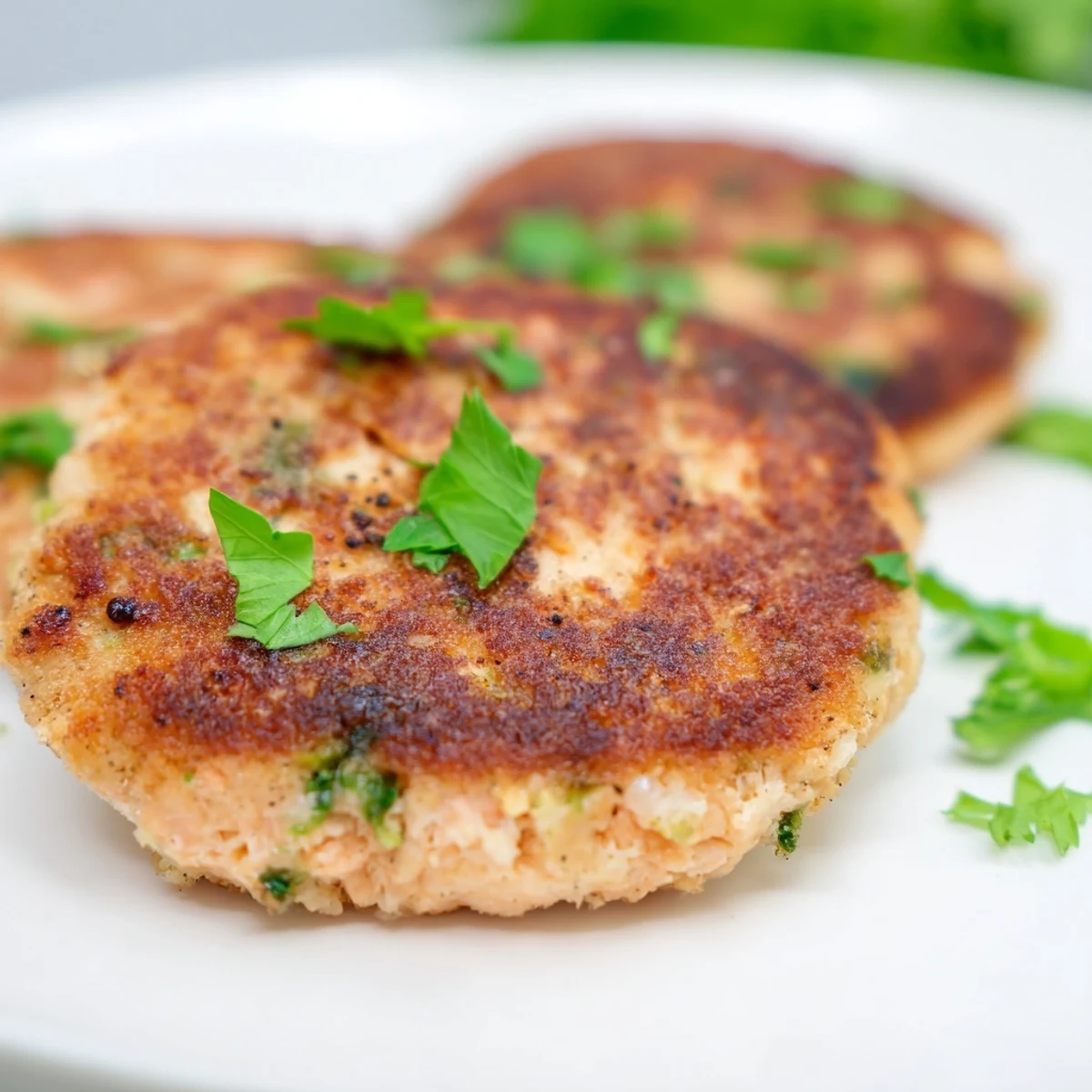
- Carefully place the cakes in the pan and cook for about 4 minutes per side until deeply golden and crisp
- Rest before serving:
- Let them drain on paper towels for a minute to absorb excess oil
 Save to Pinterest
 Last summer I made these for a beach house dinner with ten people, doubling the recipe and cooking in batches. Everyone crowded around the kitchen island, grabbing them as fast as I could flip them. There is something about food that brings people together like that, hands reaching, laughing, telling stories between bites.
Making Them Ahead
You can shape the patties up to 24 hours before cooking and store them between layers of parchment paper in the refrigerator. This actually helps them hold together better when they hit the hot oil.
Serving Suggestions
A simple squeeze of fresh lemon juice transforms these completely, but I have also served them with homemade tartar sauce, garlic aioli, or even just a dollop of Greek yogurt with fresh herbs. They work beautifully as a main dish or as party appetizers people cannot stop eating.
Baking Option
When I want to avoid the stovetop mess, I bake these at 400 degrees for about 15 minutes, flipping halfway through. They will not get quite as crispy, but they are still delicious and somehow feel lighter.
- Use parchment paper for easy cleanup
- Brush the tops with a little olive oil before baking
- Let them rest a few minutes before serving so they set
 Save to Pinterest
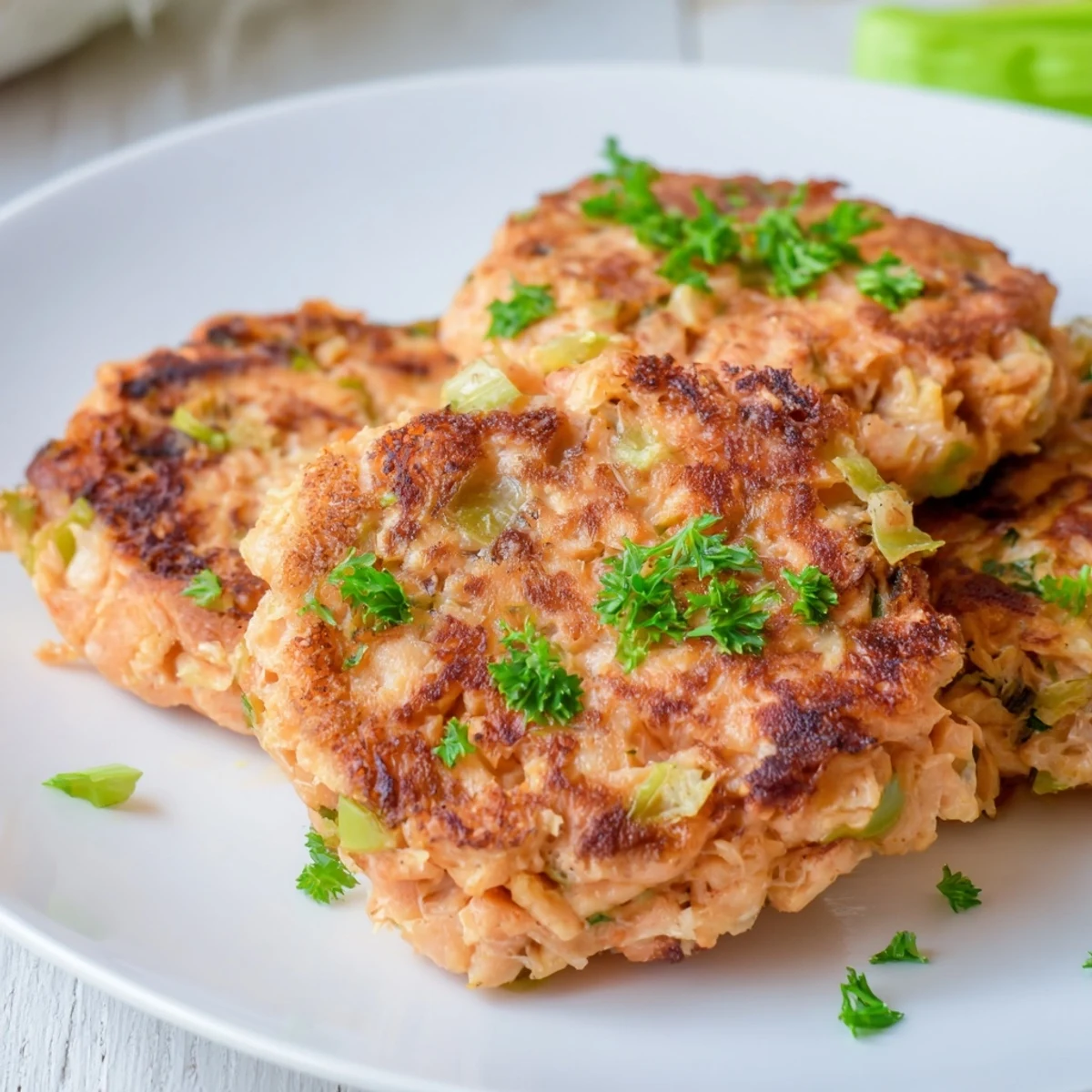
 These salmon cakes have become one of those recipes I can make without even thinking, the kind that feels like home no matter what day of the week it is.
Recipe FAQs
- → Can I use fresh salmon instead of canned?
-
Yes, cook and flake about 1 pound of fresh salmon first. Let it cool slightly before proceeding with the mixture. Canned salmon is preferred for convenience and already includes small bones that provide extra calcium.
- → Why do my salmon cakes fall apart when cooking?
-
Patties may crumble if the mixture is too wet. Add more breadcrumbs, 1 tablespoon at a time, until the mixture holds together when squeezed. Also, chilling the formed patties for 15-20 minutes before cooking helps them maintain shape.
- → What can I serve with salmon cakes?
-
Pair with a crisp green salad, roasted vegetables, or creamy mashed potatoes. Classic sides include tartar sauce, lemon aioli, or a simple remoulade. They also work well in burger buns for a seafood twist.
- → Can I make these ahead of time?
-
Absolutely. Form the patties and refrigerate for up to 24 hours before cooking. You can also freeze uncooked patties between layers of parchment paper for up to 3 months. Thaw overnight in the refrigerator before frying.
- → Are there substitutes for breadcrumbs?
-
Use crushed crackers, panko, or almond flour for low-carb options. For gluten-free, certified GF breadcrumbs or crushed rice cakes work beautifully. The key is using enough binder to hold the patties together while frying.
- → How do I know when the salmon cakes are done?
-
The patties should be golden brown on both sides and feel firm to the touch. Since salmon and the ingredients are already cooked, you're primarily heating through and creating the crispy exterior. Internal temperature should reach 145°F.