
 Save to Pinterest
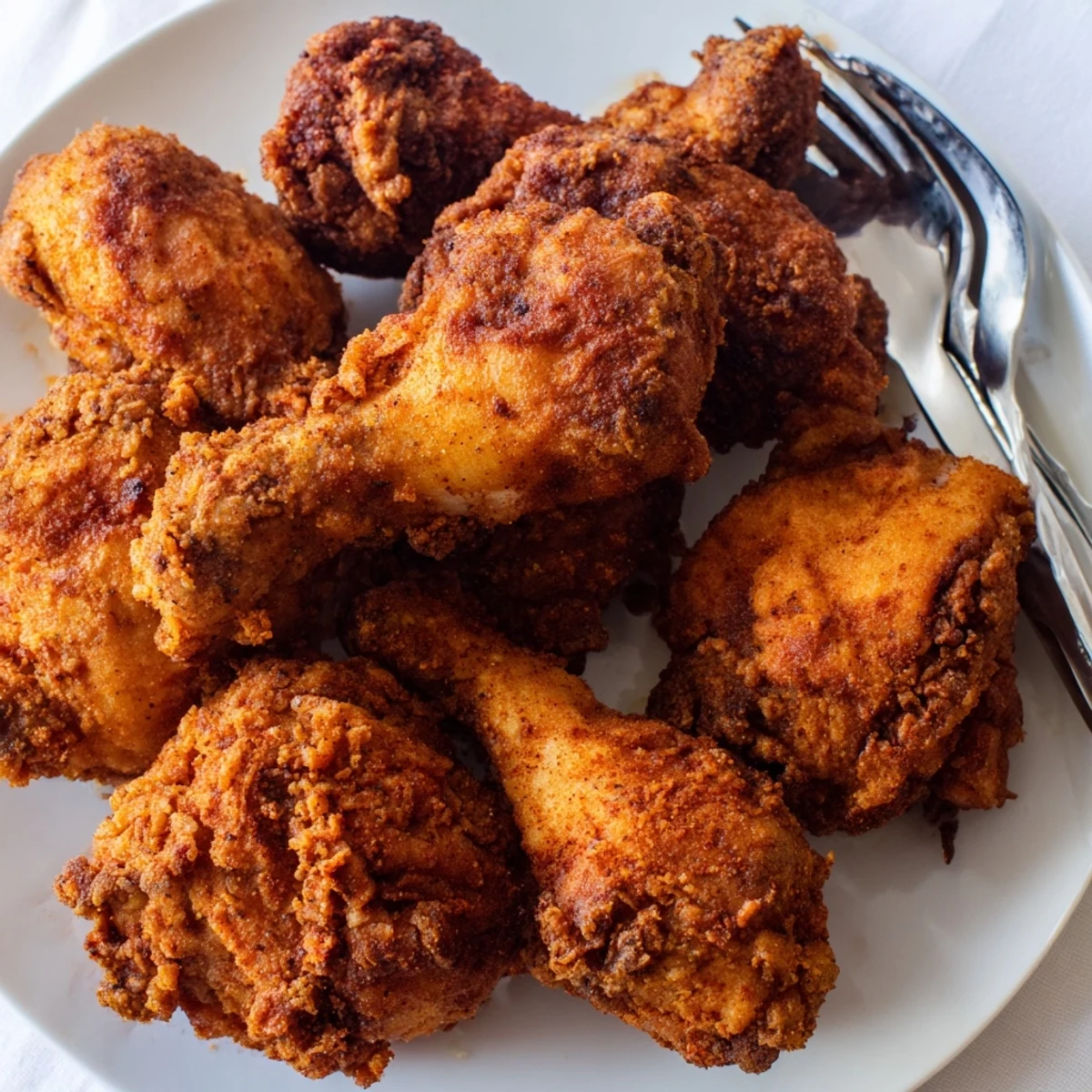
 Achieve restaurant-quality fried chicken at home with this time-honored Southern technique. The secret lies in the buttermilk marinade, which tenderizes the meat while adding subtle tanginess. After soaking for at least four hours, each piece gets thoroughly coated in a perfectly balanced blend of flour, paprika, garlic powder, onion powder, and cayenne. Deep-frying at 350°F creates that signature crispy, golden exterior while keeping the interior juicy and flavorful.
The first time I attempted proper Southern fried chicken, I was renting a tiny apartment with a kitchen that could barely fit two people. My grandmother had been preaching about buttermilk marinades for years, and I finally decided to listen, standing over a mixing bowl at midnight because I forgot to start earlier. The kitchen smelled like flour and anticipation, and somewhere around 2 AM, I realized this was the kind of cooking that demands patience.
Last summer, my cousin leaned against the refrigerator while I dredged chicken pieces, telling me about her first disastrous attempt that ended with smoke detectors blaring and raw chicken inside. We laughed so hard I nearly dropped a thigh in the flour bowl. When we finally sat down to eat, with coleslaw and buttered biscuits, she took one bite and went completely silent.
Ingredients
- Whole chicken: Cutting your own saves money and gives you total control over piece sizes
- Buttermilk: The acidity here is nonnegotiable for breaking down fibers and adding subtle tang
- Hot sauce: Even if you prefer mild, a splash creates layers of flavor you cannot quite put your finger on
- All-purpose flour: Creating that shatteringly crisp exterior that makes the first bite unforgettable
- Paprika: Adds beautiful golden color and a subtle sweetness that balances the heat
- Garlic and onion powder: The backbone of savory depth in every single bite
- Cayenne pepper: Adjust this based on your heat tolerance but do not skip it entirely
- Vegetable or peanut oil: Peanut handles high heat better but vegetable works perfectly fine
Instructions
- Let the chicken soak:
- Whisk together buttermilk, hot sauce, salt, and pepper until completely combined. Submerge each chicken piece thoroughly, cover tightly, and let sit in the refrigerator for at least 4 hours or overnight if you can plan ahead.
- Build your coating station:
- In a wide, shallow bowl, mix flour with paprika, garlic powder, onion powder, cayenne, salt, and pepper until the color is uniform and evenly speckled throughout.
- Prep for dredging:
- Lift chicken from the buttermilk and let excess drip off briefly without patting dry. That wet surface is exactly what helps the flour cling and create those irresistible crags.
- Coat thoroughly:
- Press each piece firmly into the seasoned flour, turning and pressing until every surface is covered. Place on a wire rack while you heat the oil.
- Heat the oil:
- In a heavy skillet or deep fryer, bring oil to 350°F. If you do not have a thermometer, drop a pinch of flour in it should sizzle immediately without burning.
- Fry in batches:
- Carefully lower chicken into hot oil, working in batches so you do not crowd the pan. Fry 8 to 12 minutes per side until deep golden brown and a thermometer reads 165°F.
- Rest before serving:
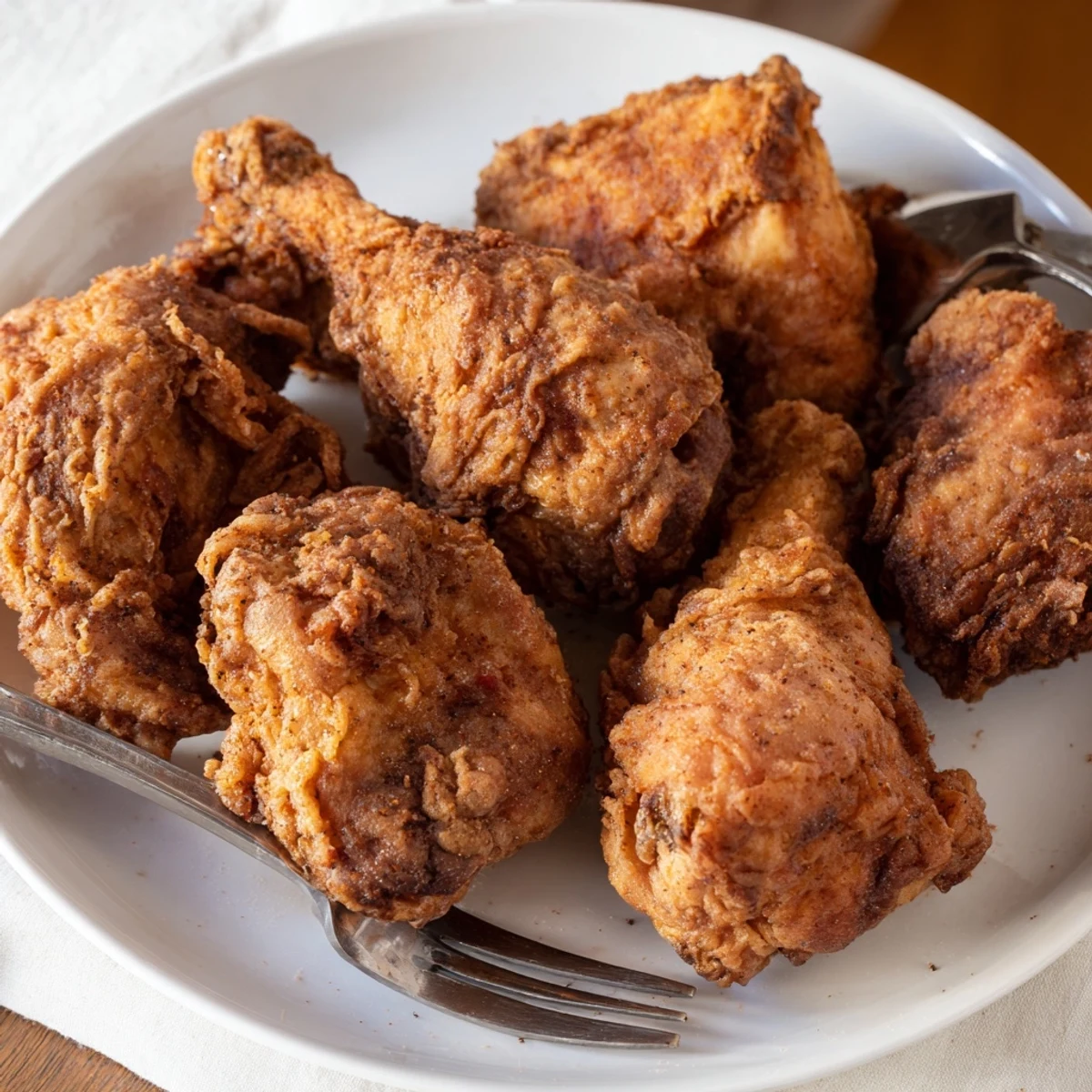
- Transfer to a clean wire rack and let sit for 5 minutes. This small wait lets the crust set and the juices redistribute.
 Save to Pinterest
 My friend Sarah swears the double-dip method changed her life, and after trying it at her house last autumn, I understand the hype. The crunch on that second coating makes you reconsider everything you thought you knew about fried chicken. Now every time I make this, I think about her tiny kitchen and how something so simple created such lasting memories.
Getting That Perfect Crunch
The secret to truly exceptional fried chicken is maintaining oil temperature and avoiding the temptation to fiddle with it while it fries. Every time you lift or move the chicken, you interrupt the crust formation. Trust the process, listen to the sizzle, and resist the urge to flip too early.
What To Serve With Fried Chicken
Creamy coleslaw provides the perfect acid to cut through all that richness, while fluffy mashed potatoes or homemade biscuits soak up every last bit of flavor. I love serving it with pickles on the side, something bright and tangy to balance each heavy, satisfying bite.
Making Ahead And Storage
The buttermilk marinade actually improves the chicken if left overnight, making this perfect for advance prep. While leftovers can be reheated in a 350°F oven, nothing beats that first fresh batch straight from the fryer.
- Let fried chicken cool completely before storing in the refrigerator
- Avoid microwaving leftovers unless you want soft, sad crust
- The flour mixture can be made in bulk and stored for up to a month
 Save to Pinterest
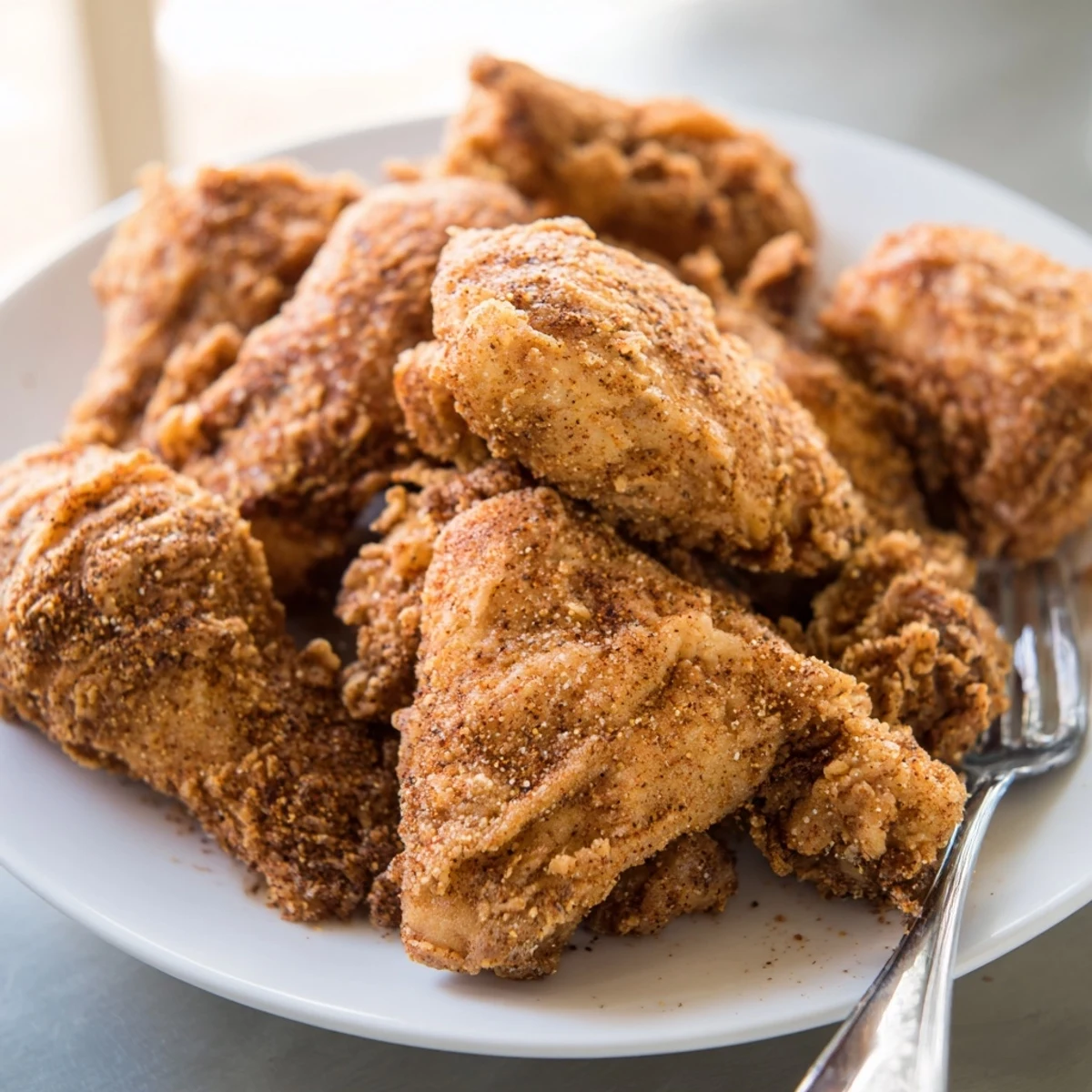
 There is something profoundly satisfying about making fried chicken at home, hearing that steady sizzle, and watching golden brown perfection emerge from hot oil. It is simple, honest food that brings people together every single time.
Recipe FAQs
- → How long should I marinate the chicken?
-
Marinate the chicken in buttermilk for at least 4 hours, though overnight is ideal. This ensures maximum tenderness and flavor penetration throughout the meat.
- → What's the best oil temperature for frying?
-
Heat your oil to 350°F (175°C) for optimal results. This temperature creates a crispy exterior while ensuring the chicken cooks through without burning.
- → Can I make this less spicy?
-
Absolutely. Reduce or omit the cayenne pepper and hot sauce according to your taste preferences. The seasoned flour coating will still be delicious with milder heat levels.
- → How do I know when the chicken is done?
-
Use a meat thermometer to check that the internal temperature reaches 165°F (74°C). The chicken should be golden brown and the juices run clear when pierced.
- → What sides pair well with this dish?
-
Classic Southern sides like creamy coleslaw, buttery mashed potatoes, flaky biscuits, or macaroni and cheese complement the crispy chicken beautifully.
- → Can I use chicken breasts instead of pieces?
-
Yes, though cut-up pieces with bone-in tend to stay juicier. If using breasts, reduce cooking time slightly to prevent drying out.