
 Save to Pinterest
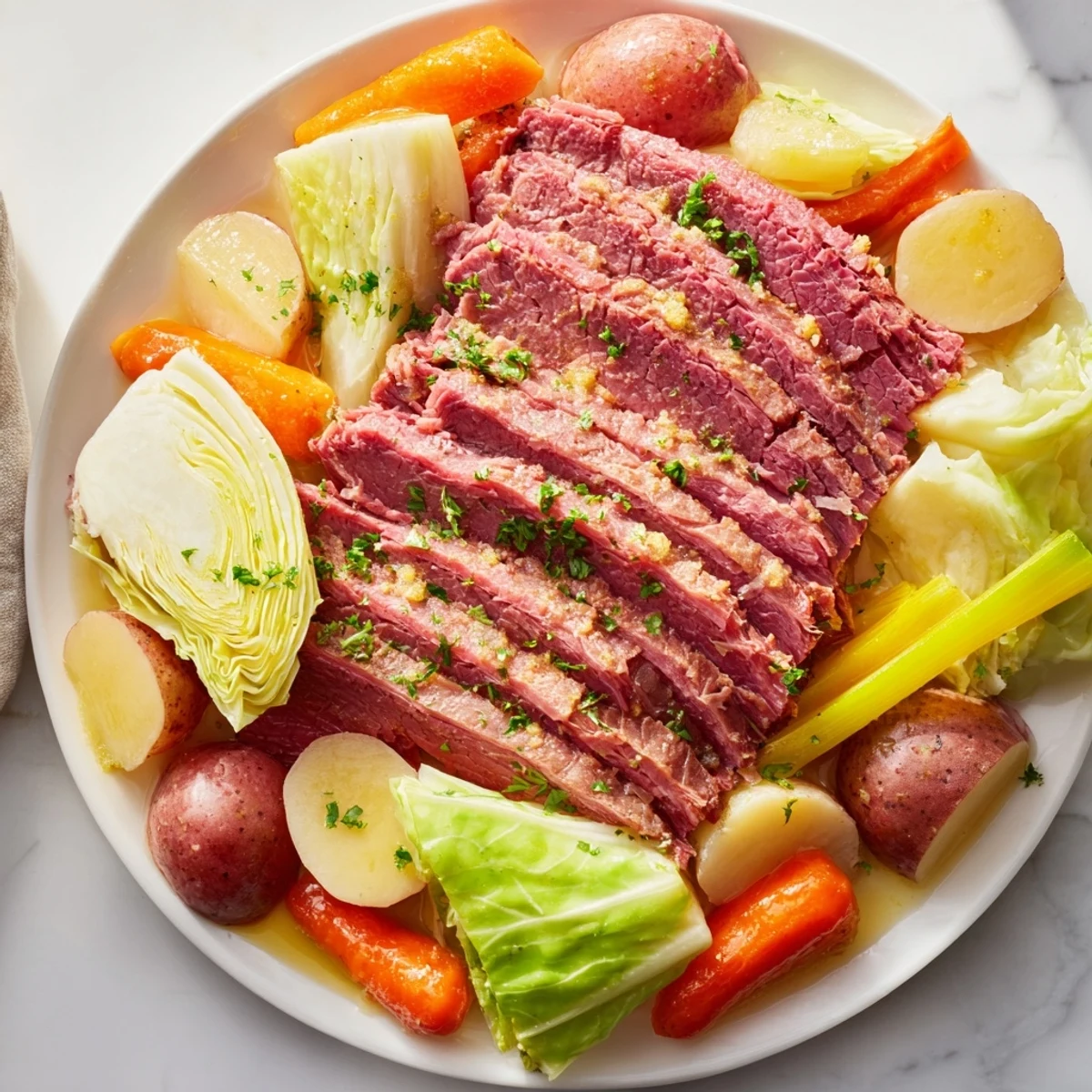
 This dish features a generous cut of corned beef brisket gently simmered alongside classic root vegetables like carrots, potatoes, and cabbage, infused with bay leaves, garlic, and peppercorns. Slow cooking for over three hours allows the flavors to meld perfectly, producing tender meat and soft vegetables in a savory broth. Finished with optional butter and parsley, it’s an ideal comforting main that brings warmth to family gatherings and home dinners.
There was this tiny apartment I rented right after college with the thinnest walls you can imagine, and the only way I could feel at home was filling the place with smells that felt permanent. My neighbor Mrs. Henderson would knock on my door whenever I made this corned beef, claiming she could tell what day of the week it was by what was bubbling on my stove. Eventually I just started making extra, and we'd eat it standing up in her tiny kitchen while she told me stories about growing up in Chicago.
Last March when my brother came home after shoulder surgery, he couldn't cook but he could certainly eat. I made this pot roast and watched him go from picking at the carrots to demolishing half the beef. Now he texts me every Sunday asking if it's corned beef day, and honestly, it might just become a tradition.
Ingredients
- Corned beef brisket: The fat cap is where all the flavor lives, so don't trim it off before cooking
- Small red potatoes: They hold their shape better than russets and look gorgeous on the platter
- Large carrots: Cut them chunky so they don't turn to mush during the long simmer
- Yellow onion: Quarter them so layers stay intact while they soften into sweetness
- Green cabbage: Add it last or it'll disintegrate, though some people actually prefer it that way
- Celery: It becomes almost unrecognizable but contributes this subtle background flavor
- Beef broth: Low-sodium gives you control since the corned beef is already salty
- Water: Necessary because the broth alone would be too intense after hours of reduction
- Bay leaves: Don't forget to fish them out before serving, nobody wants that surprise
- Black peppercorns: Whole ones release flavor slowly instead of making the broth aggressively spicy
- Garlic cloves: Smashed is better than minced here, they mellow out beautifully
- Unsalted butter: That finishing touch makes everything glisten and taste restaurant-worthy
- Fresh parsley: Mostly for color, but it does add this fresh little note at the end
Instructions
- Rinse and position the beef:
- Give that brisket a good cold water rinse to shake off the excess brine, then settle it into your largest Dutch oven or heavy pot, fat side up like it's getting comfortable for a long nap
- Build the bath:
- Pour in both the beef broth and water, then tumble in that spice packet plus bay leaves, peppercorns, and garlic, bringing everything to a gentle bubble over medium-high heat
- The long simmer:
- Cover it up tight, turn the heat down to the lowest setting that still maintains a lazy simmer, and let it go for about 2 hours, checking occasionally that it's not boiling too aggressively
- Add the hearty vegetables:
- Toss in the potatoes, carrots, onion, and celery, nudging them down into the liquid, then cover again and continue that gentle simmer for another 45 minutes
- The cabbage finale:
- Lay those cabbage wedges on top, re-cover the pot, and cook for 30 more minutes until everything yields easily to a fork
- Rest and slice against the grain:
- Lift out the beef and let it rest on a cutting board for 10 minutes, then slice it perpendicular to the muscle fibers so each piece falls apart tenderly instead of chewing like leather
- Plating with intention:
- Arrange everything beautifully on a platter, drizzle with melted butter if you're feeling fancy, scatter parsley like confetti, and always serve with some of that precious cooking broth on the side
 Save to Pinterest
 My dad finally admitted last Thanksgiving that he actually likes my version better than his mother's, which is basically the highest compliment he's capable of giving. We ate it on paper plates because nobody felt like doing dishes, and somehow it tasted even better.
Making It Your Own
Sometimes I'll throw in a splash of apple cider vinegar right at the start, and other times I whisk Dijon mustard into little ramebles for serving. Both directions are worth exploring depending on your mood.
The Leftover Situation
Actually, the sandwiches you can make the next day might be the real reason to make this in the first place. Thin slices on rye with extra mustard, or chopped into hash with a fried egg on top.
Serving Ideas
Some people swear by horseradish sauce on the side, others want grainy mustard, and a few just want plenty of that cooking broth to spoon over everything. Have options available and let people choose their own adventure.
- Grainy mustard brings this nice sharpness that cuts through the rich beef
- Fresh bread is non-negotiable for soaking up all those juices
- A simple green salad with bright vinaigrette balances everything perfectly
 Save to Pinterest
 There's something about a recipe that demands patience and then rewards you so completely that makes the whole house feel warmer.
Recipe FAQs
- → How long should corned beef simmer for best tenderness?
-
Simmering corned beef for about 3 hours ensures the meat becomes fork-tender while fully absorbing the flavors of the broth and spices.
- → Which vegetables complement corned beef in this dish?
-
Classic root vegetables like red potatoes, carrots, onion, celery, and cabbage enhance the hearty texture and taste of the simmered beef.
- → Can I add extra flavor to the broth?
-
Yes, adding a splash of apple cider vinegar or a spoonful of Dijon mustard to the cooking liquid adds depth and tanginess to the broth.
- → What is the best way to slice the cooked corned beef?
-
Let the meat rest for 10 minutes after cooking, then slice it against the grain for tender, easily chewable pieces.
- → How can the dish be finished for extra richness?
-
Melt unsalted butter over the sliced beef and vegetables, and sprinkle chopped fresh parsley to add a smooth, fresh finish.