
 Save to Pinterest
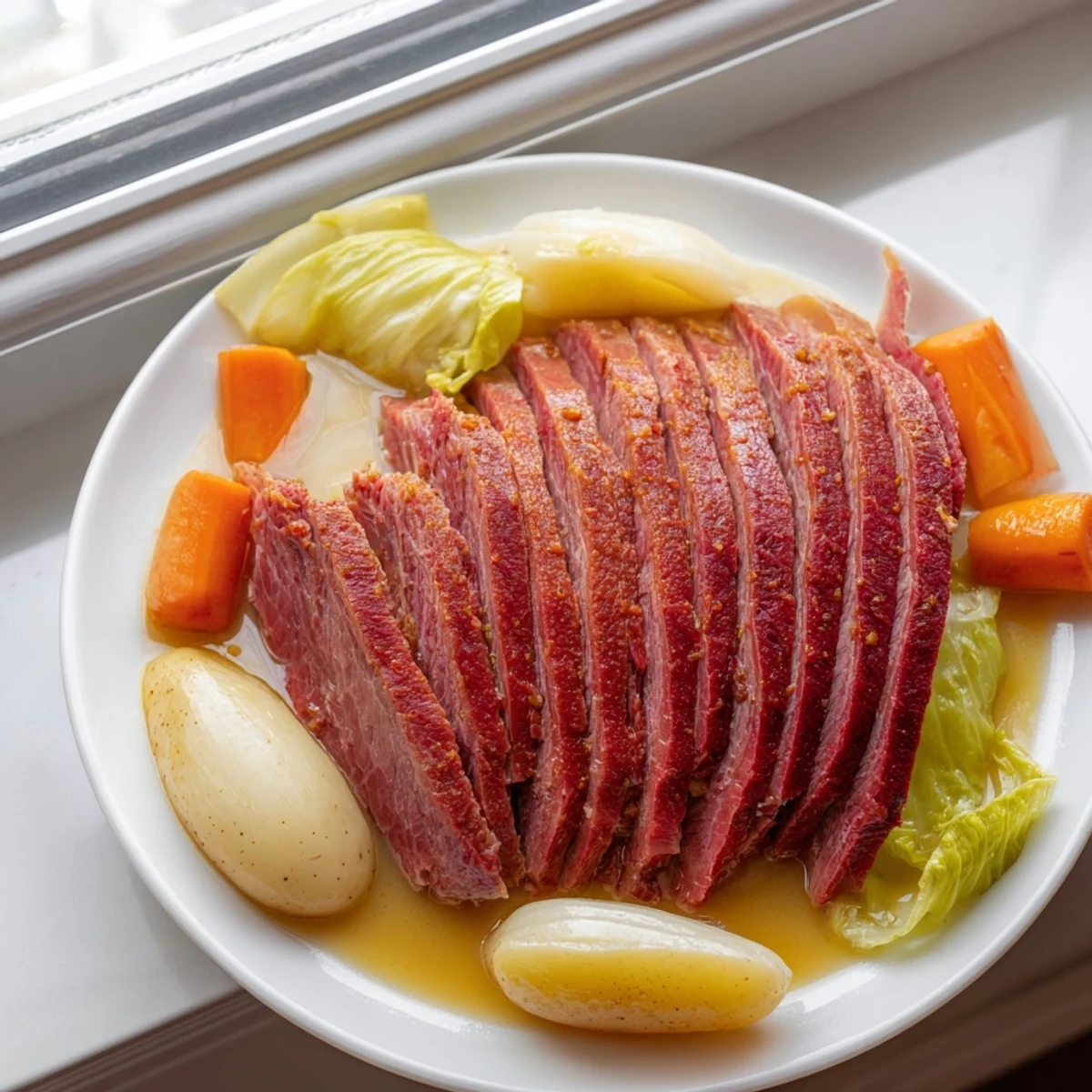
 This dish features succulent corned beef brisket simmered slowly in a savory broth infused with garlic, bay leaves, and peppercorns. Potatoes, carrots, onion, and cabbage are added during cooking, creating a hearty and flavorful combination of tender meat and softened vegetables. Resting the brisket before slicing ensures moist, fork-tender servings perfect for a comforting main course. Optional mustard enhances the broth's depth of flavor, while leftovers transform easily for sandwiches or hash.
The smell of corned beef simmering on the stove takes me back to rainy Sundays when my grandmother would tend to a heavy pot all afternoon. I didnt appreciate the patience it required until I tried recreating it in my own tiny apartment kitchen, that first attempt teaching me that some dishes simply refuse to be rushed.
Last St. Patricks Day, I made this for friends who had never tried corned beef before. Watching their faces light up at that first bite of meltingly tender beef made me realize why this dish has earned its place at so many family tables.
Ingredients
- 4 lbs corned beef brisket with spice packet: The fat cap renders down and keeps the meat incredibly moist while infusing the whole pot with flavor
- 1 ½ lbs small Yukon gold potatoes: These hold their shape better than russets and develop a creamy texture as they simmer
- 4 large carrots cut into 2-inch pieces: Cut them thick so they dont turn to mush during the long cooking time
- 1 large yellow onion quartered: The onion sweetness balances the salty beef perfectly
- 1 small head green cabbage in wedges: Adding the cabbage last keeps it from falling apart while still absorbing all that beefy flavor
- 4 cups low-sodium beef broth plus 2 cups water: The combination prevents the final dish from being too salty
- 4 cloves garlic smashed: Smashed releases more flavor than minced and holds up better to long simmering
- 2 bay leaves and 6 whole peppercorns: Classic aromatics that deepen the savory profile
Instructions
- Prep the brisket:
- Rinse the corned beef under cold water and pat it dry with paper towels, then place it fat side up in your largest Dutch oven or heavy pot.
- Build the cooking liquid:
- Add the spice packet from the corned beef along with the smashed garlic, bay leaves, and peppercorns, then pour in the beef broth and enough water to just cover the meat.
- Start the simmer:
- Bring everything to a boil over medium-high heat, skim off any foam that rises to the surface, then reduce to low, cover, and let it gently simmer for 2 hours.
- Add the hearty vegetables:
- Tuck the potatoes, carrots, and onion wedges around the brisket, cover again, and continue simmering for another 30 minutes until the vegetables start to soften.
- Finish with cabbage:
- Lay the cabbage wedges right on top, cover, and cook for 30 more minutes until the cabbage is tender and the beef slides apart easily when tested with a fork.
- Rest and slice:
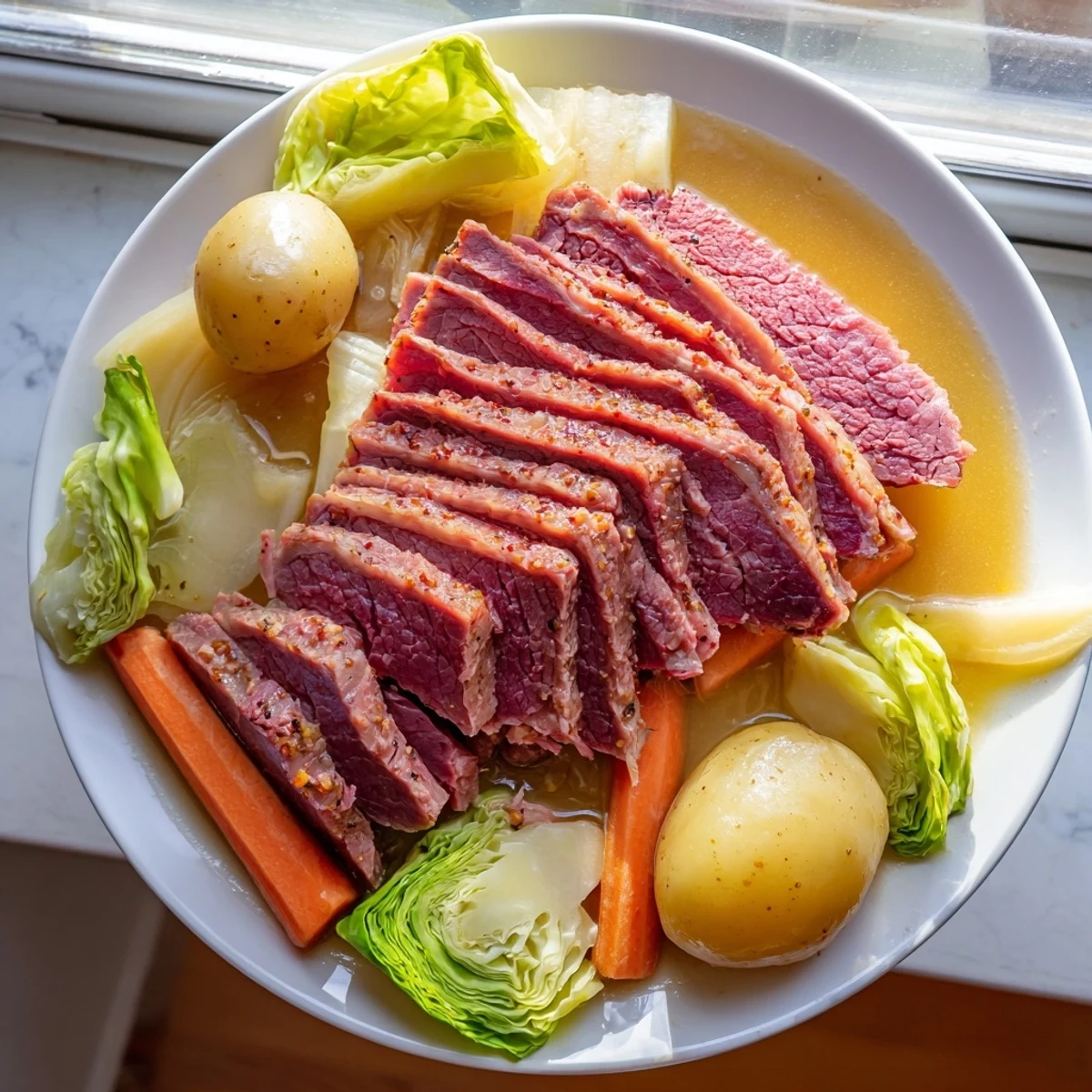
- Transfer the brisket to a cutting board and let it rest for 10 minutes before slicing against the grain into thick, juicy pieces.
- Serve it up:
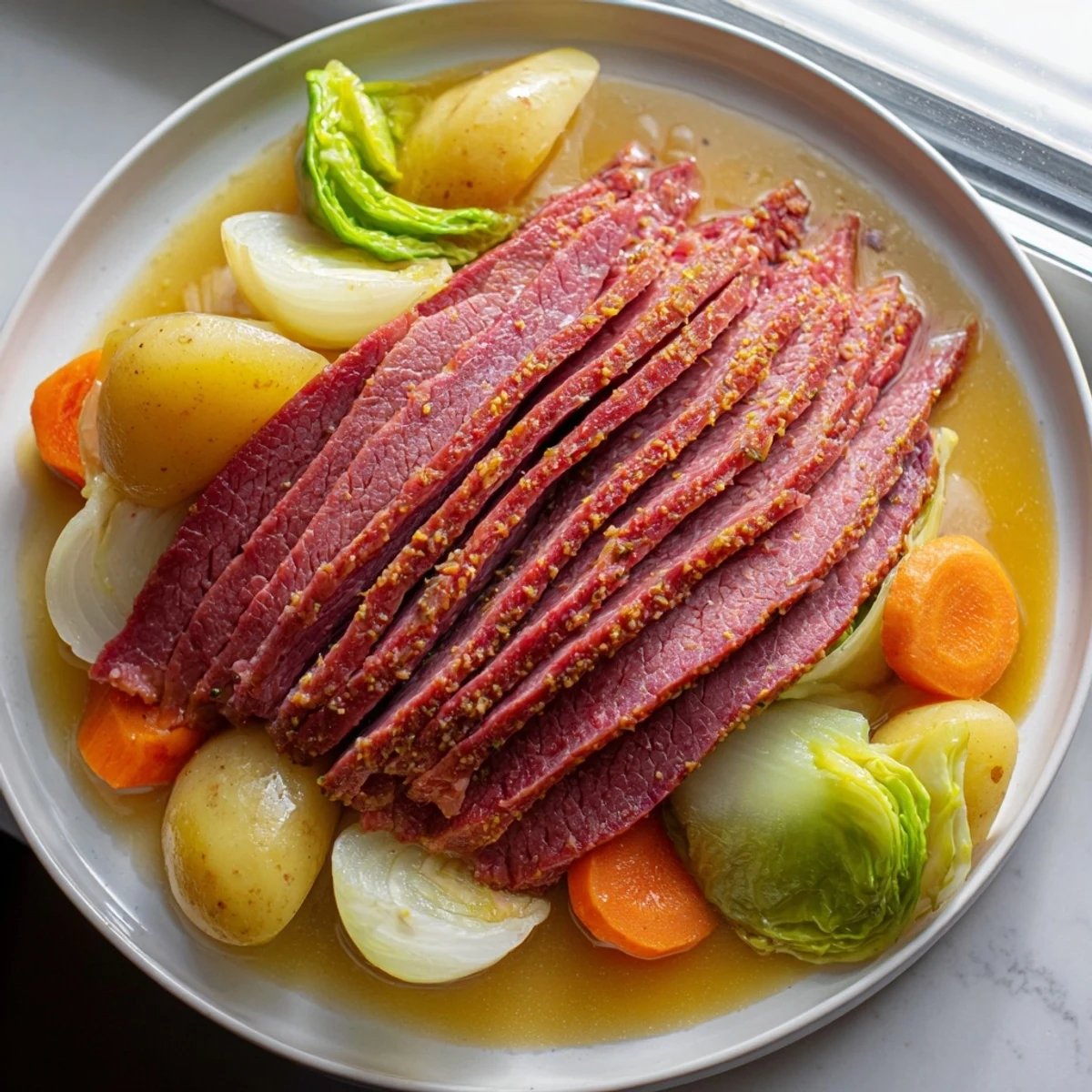
- Arrange the sliced beef and vegetables on a large platter, ladle some of that golden cooking broth over everything, and bring the remaining broth to the table for extra serving.
 Save to Pinterest
 My father always requests this meal on his birthday now, claiming it beats any restaurant version hes ever had. Theres something about sitting around a table laden with this simple, honest food that makes the conversation flow as easily as the broth.
Getting The Most From Your Leftovers
The next day, slice any remaining beef thinly for the most incredible sandwiches on rye bread with a smear of mustard. I also love chopping everything up for a breakfast hash topped with a fried egg.
Choosing The Right Pot
A heavy Dutch oven is ideal because it holds heat so evenly and the tight fitting lid keeps moisture from evaporating too quickly. If you dont have one, any pot with a heavy bottom and snug lid will work just fine.
Making It Your Own
Some cooks add a bottle of dark beer to the broth for extra depth, and I have tried adding parsnips alongside the carrots when I want more variety. A tablespoon of whole grain mustard stirred into the broth during the last hour adds a lovely tang.
- Turnip or rutabaga can replace some potatoes if you enjoy their slightly sharper flavor
- A splash of apple cider vinegar cuts through the richness beautifully
- Fresh parsley sprinkled over the platter adds a bright finish
 Save to Pinterest
 Theres no dish that says home quite like this one, a meal that asks for nothing more than your time and rewards you with comfort in every bite.
Recipe FAQs
- → How long should the brisket simmer for tenderness?
-
Simmer the brisket covered on low heat for approximately 2 hours before adding vegetables, ensuring it becomes tender and flavorful.
- → When should vegetables be added during cooking?
-
Add potatoes, carrots, and onion after the initial 2 hours of simmering, cooking them for 30 minutes before adding cabbage for an additional 30 minutes.
- → What is the best way to slice corned beef after cooking?
-
Let the cooked brisket rest for 10 minutes, then slice thinly against the grain to maintain tenderness.
- → Can the broth be enhanced for deeper flavor?
-
Adding a tablespoon of whole grain mustard to the broth boosts its complexity and complements the meat and vegetables well.
- → What sides or drinks pair well with this dish?
-
Pair with a malty Irish red ale or a dry Riesling to balance the hearty flavors of the meat and vegetables.