
 Save to Pinterest
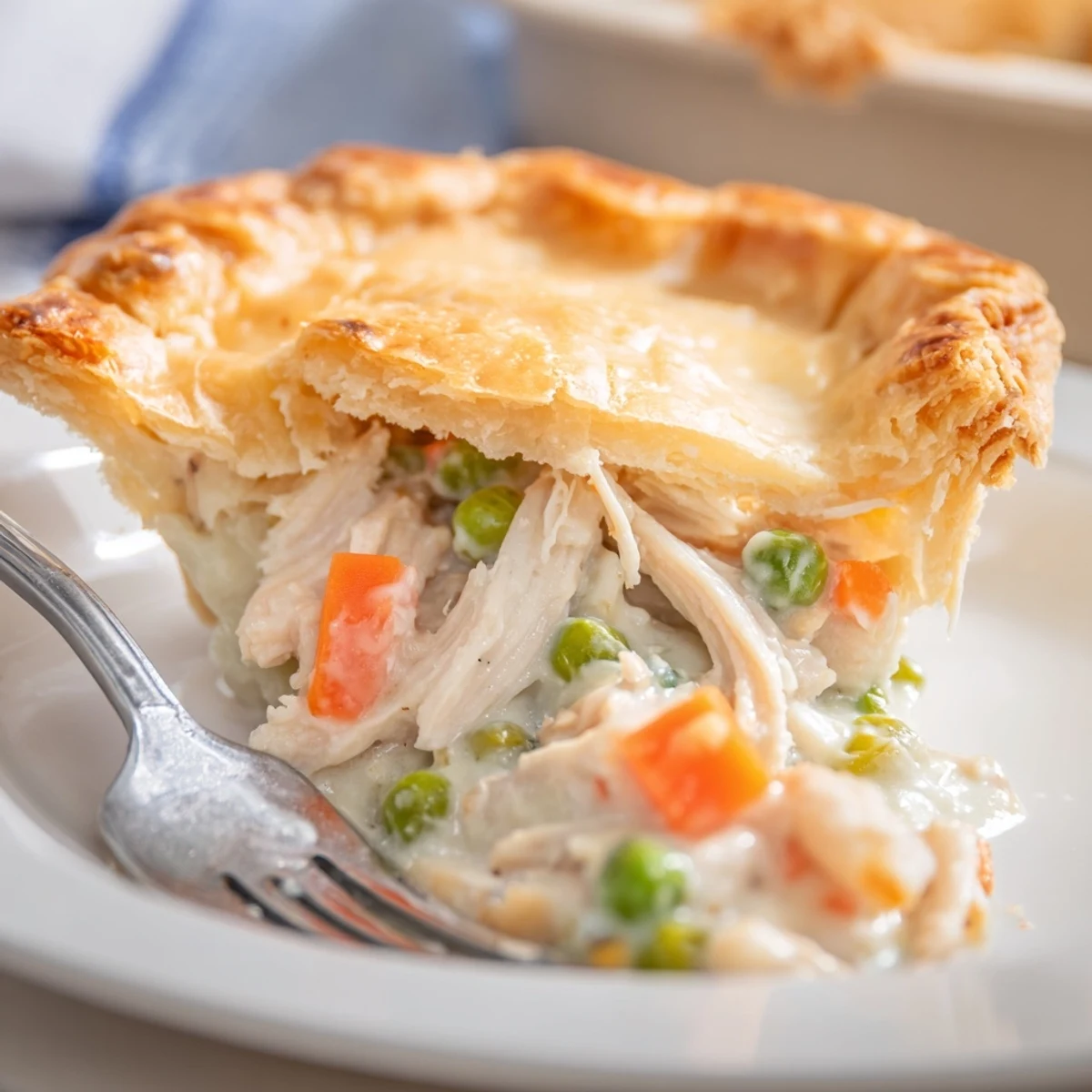
 This dish layers tender chicken, peas, carrots, celery, and onion in a rich sauce made with butter, milk, and herbs. It's topped with flaky dough brushed with egg wash for a golden finish. Baked at 400°F, the casserole melds comforting flavors and textures, perfect for a medium-difficulty, filling meal. Variations include adding mushrooms or corn, and gluten-free options with alternative flour and crusts.
There's something about a bubbling chicken pie casserole that pulls everyone to the kitchen, even if they weren't hungry five minutes before. My mom used to make this when we had leftover rotisserie chicken on a random Tuesday, turning something simple into the kind of meal that made my siblings actually want to eat vegetables. The golden crust cracks when you cut into it, and there's that perfect moment where the steam rises and you know you've nailed it. It's the dish I reach for now when I want comfort without spending the whole evening cooking.
I made this for a potluck once where everyone brought salad, and this casserole was the only hot dish. By the end of the night, the baking dish was scraped clean and someone asked for the recipe on a napkin. That moment stuck with me—not because it was fancy, but because something so straightforward made people genuinely happy and full.
Ingredients
- Cooked chicken breast (3 cups, shredded or diced): Rotisserie chicken works beautifully here and saves you time; if you poach your own, let it cool completely before shredding so it stays tender.
- Low-sodium chicken broth (2 cups): The low-sodium version gives you control over salt levels as the sauce reduces and concentrates.
- Frozen peas (1 cup): They thaw gently in the hot sauce and stay bright; no need to cook them separately.
- Diced carrots (1 cup): Cut them small so they soften in the five-minute sauté and don't leave hard bits in the filling.
- Diced celery (1 cup): Celery is the quiet backbone here; it softens into the sauce and adds a subtle depth most people can't quite name.
- Finely chopped yellow onion (1 small): Chop it small so it disappears into the sauce and seasons everything evenly as it cooks.
- Unsalted butter (4 tablespoons): Use real butter here; it builds the roux and makes the sauce taste like something your grandmother actually made.
- All-purpose flour (1/3 cup): This thickens the sauce into something silky, not gluey—the key is constant stirring.
- Whole milk (1 cup): Whole milk creates a richer sauce than skim; if you only have cream, dilute it with broth.
- Salt (1/2 teaspoon), black pepper (1/4 teaspoon), dried thyme (1/2 teaspoon), garlic powder (1/2 teaspoon): These seasonings are subtle so the chicken shines, but taste as you go because salt is personal.
- Refrigerated pie dough (1 sheet): Cold dough from the dairy case browns faster and stays flakier than thawed dough, and it saves you the rolling stress.
- Beaten egg (1): This egg wash turns the crust golden and glossy; if you forget it, the crust still bakes but looks more matte.
Instructions
- Heat the oven and prepare:
- Preheat to 400°F and grease your 9x13 baking dish lightly with butter or cooking spray. A cold dish straight from the fridge takes longer to bake, so I usually let it sit on the counter while I prep everything else.
- Build the base:
- Melt butter in a large skillet over medium heat, then add onion, carrots, and celery. Sauté for five to six minutes, stirring occasionally, until the onions turn translucent and the carrots soften slightly—you want them still holding a little bite because they'll cook more in the oven.
- Create the roux:
- Sprinkle flour over the vegetables and stir constantly for exactly one minute. This cooks out the raw flour taste without browning, so keep the heat at medium and don't walk away—I learned that the hard way when I got distracted and the flour turned bronze.
- Make the sauce:
- Slowly whisk in the broth and milk, a little at a time at first so no lumps form. Add salt, pepper, thyme, and garlic powder, then bring to a simmer while stirring frequently until the sauce thickens enough to coat the back of a spoon, about three to four minutes.
- Fold in the chicken and peas:
- Turn off the heat and gently fold in the shredded chicken and frozen peas. The residual heat will warm the peas through; they don't need separate cooking.
- Transfer to the baking dish:
- Pour the filling into your prepared dish and spread it evenly with a spatula. If the dish looks crowded, that's perfect—you want it filled close to the rim so the crust sits snugly on top.
- Add the crust:
- Unroll the pie dough directly over the filling. Trim the excess dough around the edges, leaving about a half inch hanging over the rim so it doesn't shrink away during baking. Cut three or four small slits in the top to let steam escape.
- Egg wash and bake:
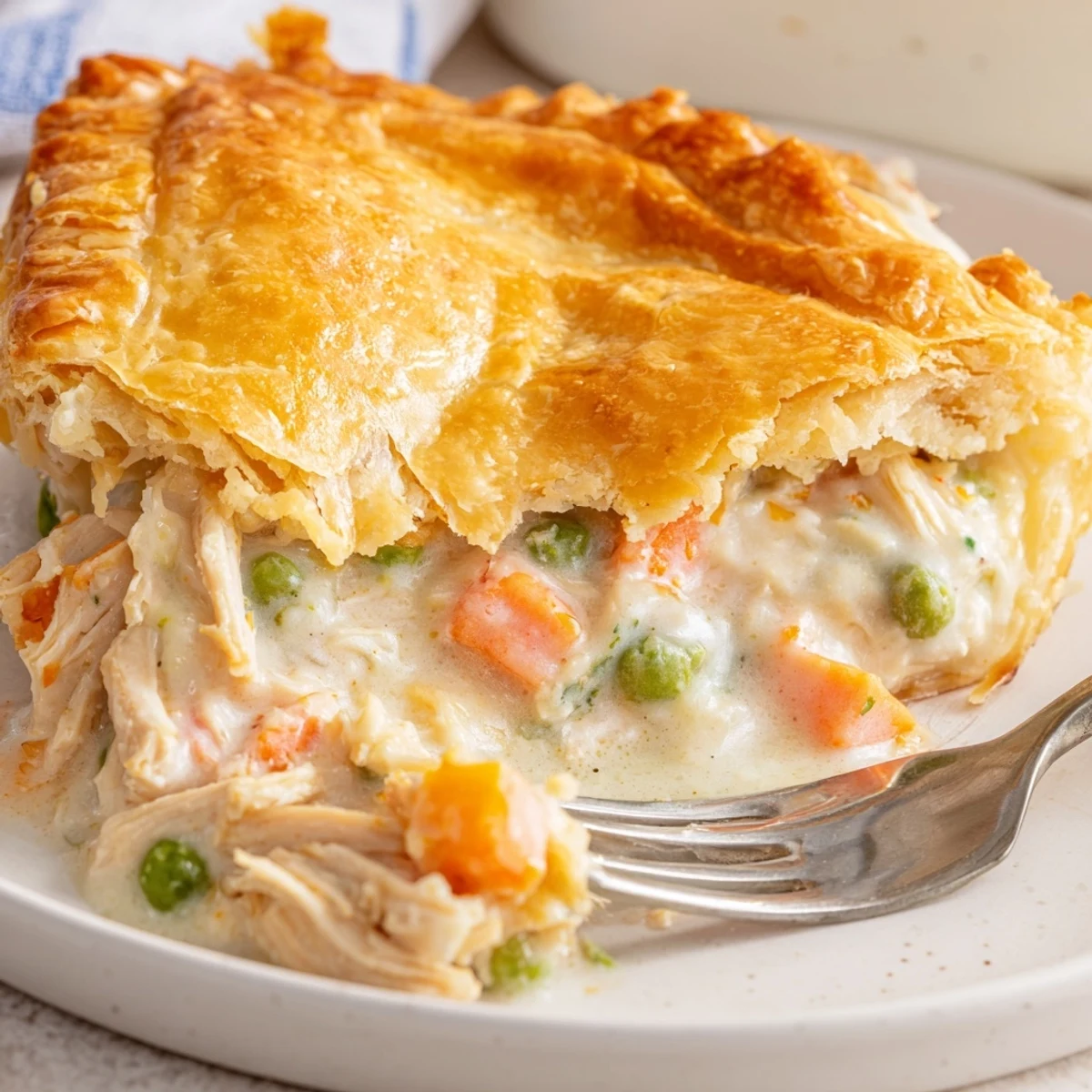
- Brush the crust generously with beaten egg—this is what makes it bronze and shiny. Slide into the oven and bake for thirty-five to forty minutes until the crust is deep golden brown and you see the filling bubbling at the edges.
- Rest before serving:
- Let the casserole sit for ten minutes when it comes out of the oven. This gives the filling time to set slightly so it doesn't run all over the plate when you cut into it.
 Save to Pinterest
 My neighbor once said she made this casserole for her daughter's first dinner party in her own apartment, and her daughter called afterward just to say thank you for a recipe that made her look like she actually knew what she was doing. That's when I realized this dish is about more than filling a stomach—it's about the confidence it gives you to feed people you care about.
Variations That Work
This casserole is forgiving enough to adapt without falling apart. Swap the chicken for turkey, use corn or mushrooms instead of peas, or add a handful of fresh herbs like parsley stirred in at the end. I've even added a quarter cup of white wine to the sauce for company, which rounds out the flavors without making it feel heavy. The structure stays solid as long as you keep the ratio of sauce to filling roughly the same.
Storing and Reheating
This tastes even better the next day when the filling has time to meld. Cover leftover casserole loosely with foil and refrigerate for up to three days; the crust softens but the filling stays creamy and rich. To reheat, cover with foil and warm at 350°F for twenty minutes until heated through, then uncover for five minutes if you want to re-crisp the crust.
Make-Ahead Notes
You can assemble this entire casserole the night before—fill the dish, add the crust, cover it, and refrigerate overnight. In the morning, let it sit at room temperature for fifteen minutes before baking, then add an extra five to ten minutes to the baking time since it's cold. This is the move when you want a home-cooked dinner but need to spend your actual cooking time on other things.
- A rotisserie chicken from the grocery store cuts your prep time in half without sacrificing flavor.
- Make the filling a day ahead and store it separately from the crust; assemble and bake when you're ready.
- This freezes beautifully unbaked for up to two months, so you can assemble multiple casseroles and pull them out whenever you need them.
 Save to Pinterest
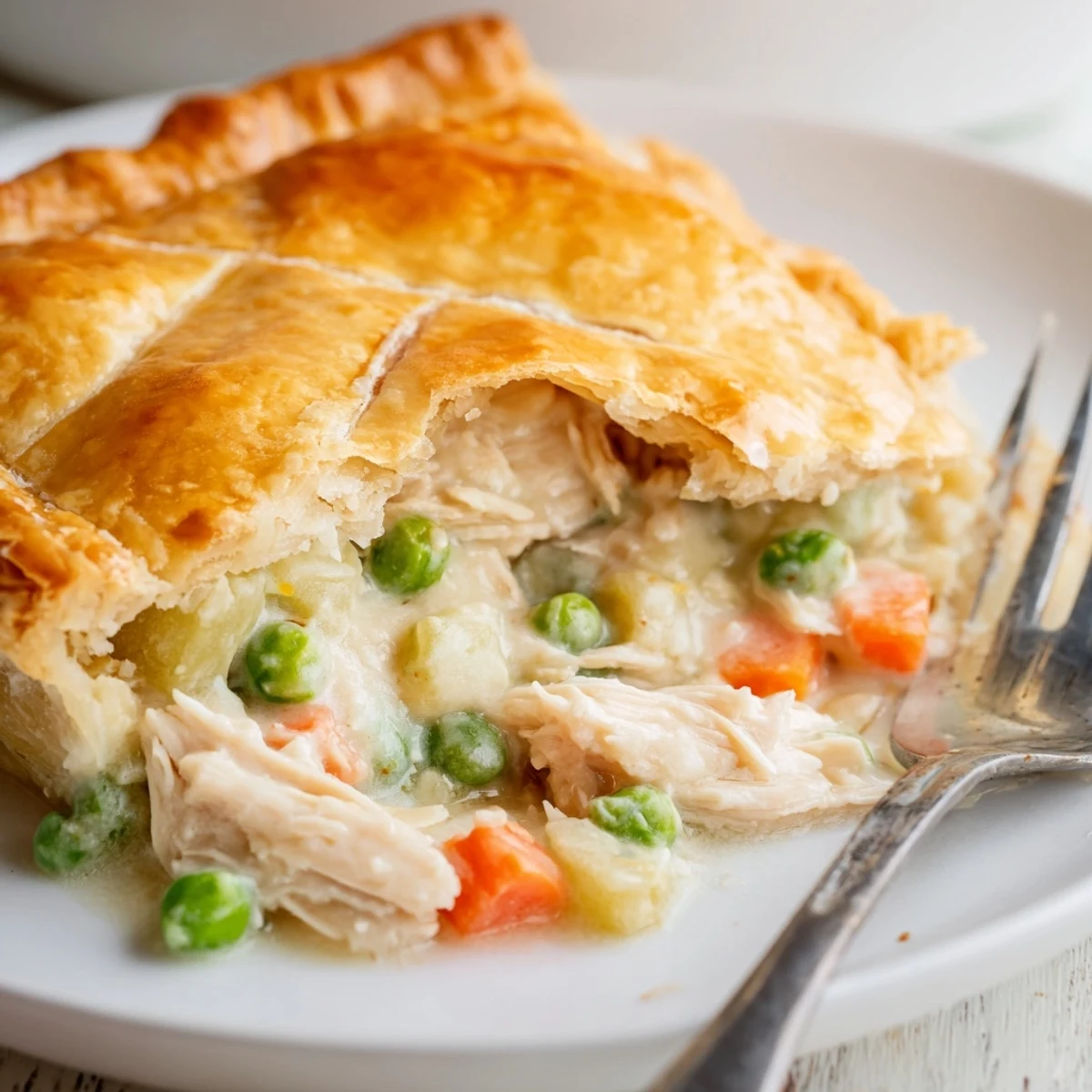
 This casserole is the kind of meal that proves you don't need complicated techniques or rare ingredients to feed people well. Every time I make it, someone asks for the recipe, and I'm always happy to give it.
Recipe FAQs
- → What type of chicken is best for this dish?
-
Cooked chicken breast, shredded or diced, works best for tender, even layering and quick reheating.
- → Can I use fresh vegetables instead of frozen peas?
-
Yes, fresh peas or other vegetables like corn and mushrooms can be used to enhance texture and flavor.
- → How do I achieve a flaky golden crust?
-
Brushing the dough with beaten egg before baking promotes a shiny, golden crust with flakiness.
- → Is there a way to make this dish gluten-free?
-
Substitute all-purpose flour and pie dough with gluten-free variants to accommodate dietary needs.
- → How long should the casserole rest before serving?
-
Letting it rest for about 10 minutes allows the filling to set, making it easier to serve.