
 Save to Pinterest
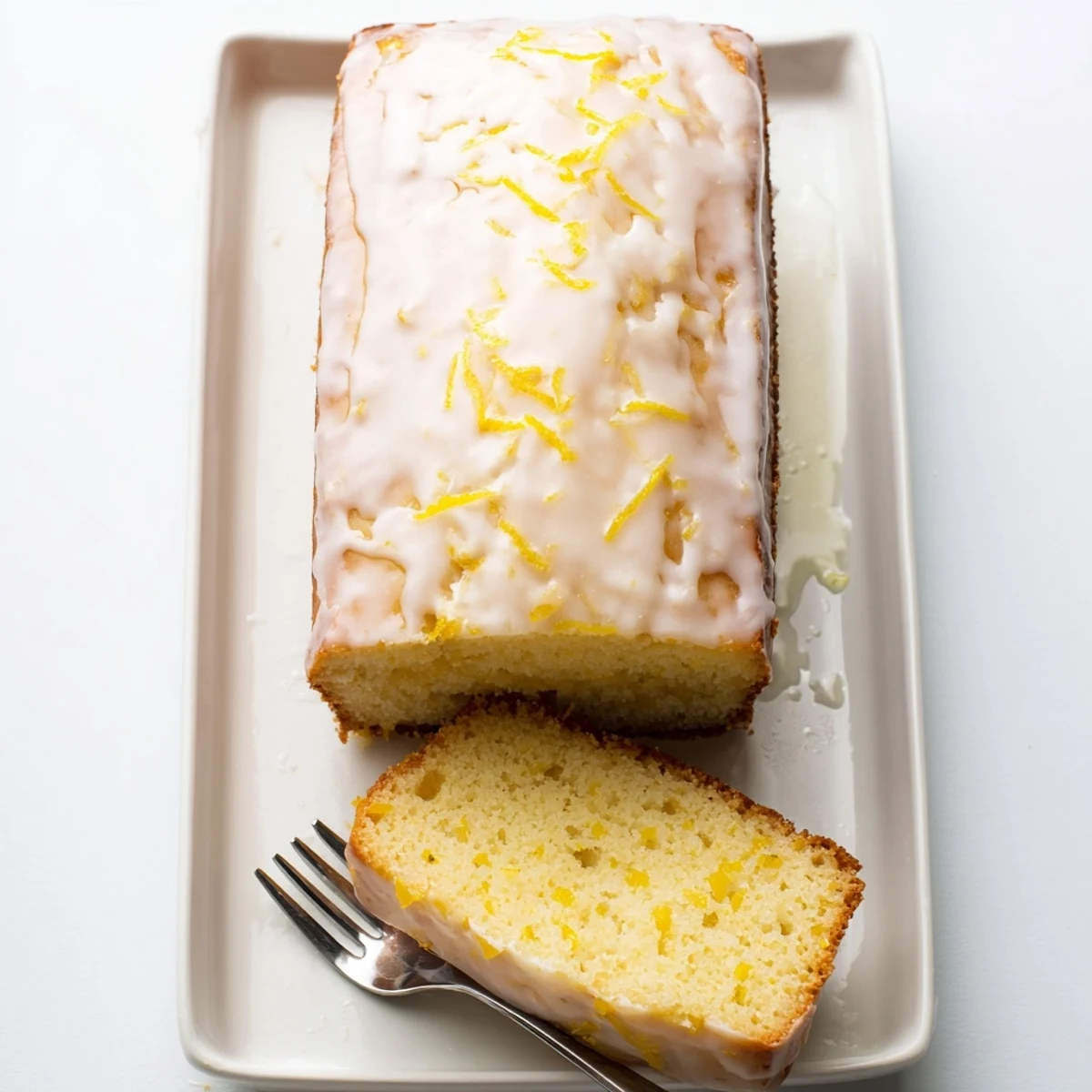
 This bright lemon loaf delivers the perfect balance of sweet and tangy flavors. The secret is rubbing fresh lemon zest into the sugar before creaming with butter, which releases fragrant citrus oils throughout the batter. After baking, a simple powdered sugar and lemon juice glaze adds an extra layer of zesty sweetness. The texture is incredibly moist yet light, making each slice feel indulgent without being heavy.
The entire process takes just over an hour from start to finish, with most hands-on time focused on preparing the batter. While the loaf bakes, your kitchen fills with the wonderful aroma of fresh citrus. This classic British teatime treat pairs beautifully with Earl Grey tea, keeps well for days, and can be enjoyed plain or dressed up with clotted cream.
The kitchen filled with the most incredible citrus perfume as I rubbed lemon zest into sugar, my hands sticky with aromatic oils. My roommate wandered in, following her nose, and asked what bakery Id secretly opened in our apartment. That afternoon of experimentation turned into the lemon loaf that now disappears within hours whenever I bake it.
Last spring, my neighbor was recovering from surgery and couldnt leave her house for weeks. I started dropping off little care packages, and this lemon loaf became the most requested item. She told me later that each slice felt like sunshine on her darkest days, which is exactly what citrus baking should do.
Ingredients
- All purpose flour: The foundation that gives structure without making the loaf dense or heavy
- Baking powder and soda: Both work together to create that beautiful rise and tender crumb
- Salt: A tiny pinch balances all that bright citrus sweetness
- Granulated sugar: Creamed with zest to release every drop of lemon oil possible
- Lemon zest: The real star where all the fragrant citrus oils live
- Unsalted butter: Room temperature is non negotiable for proper creaming
- Large eggs: Also at room temperature so they incorporate seamlessly
- Whole milk: Adds richness and keeps the crumb tender
- Fresh lemon juice: Acidity activates the baking soda and cuts through sweetness
- Vanilla extract: Rounds out the sharp citrus notes
- Powdered sugar: Sifted first to prevent any lumpy surprises in the glaze
- Additional lemon juice: Adjust until your glaze reaches perfect pouring consistency
Instructions
- Prep your oven and pan:
- Heat to 350°F and generously grease a 9x5 loaf pan with parchment paper overhang
- Whisk the dry team:
- Combine flour baking powder baking soda and salt in a medium bowl
- Infuse the sugar:
- Rub lemon zest into sugar with your fingertips until it becomes fragrant and damp
- Cream butter and sugar:
- Beat softened butter into the lemon sugar for 2 to 3 minutes until pale and fluffy
- Add eggs one by one:
- Fully incorporate each egg before adding the next
- Flavor the batter:
- Mix in vanilla extract and fresh lemon juice until combined
- Combine everything:
- Fold in half the dry ingredients then milk then remaining dry until just mixed
- Bake until golden:
- Pour into your prepared pan and bake for 45 to 50 minutes until a toothpick comes out clean
- Cool completely:
- Let rest in the pan for 10 minutes then finish cooling on a wire rack
- Make the glaze:
- Whisk powdered sugar with lemon juice until thick but pourable
- Finish with flair:
- Drizzle generously over the cooled loaf and let set before slicing
 Save to Pinterest
 My mother always said that lemon desserts were meant for gray days and difficult conversations. She was right somehow the combination of butter sugar and bright citrus makes everything feel more manageable even when life gets overwhelming.
Getting The Most Lemon Flavor
That trick of rubbing zest into sugar isnt just for show. The abrasion of sugar crystals against citrus zest releases essential oils that you simply cannot get any other way. The first time I tried it the difference was so dramatic I never went back to just mixing everything together.
The Perfect Glaze Consistency
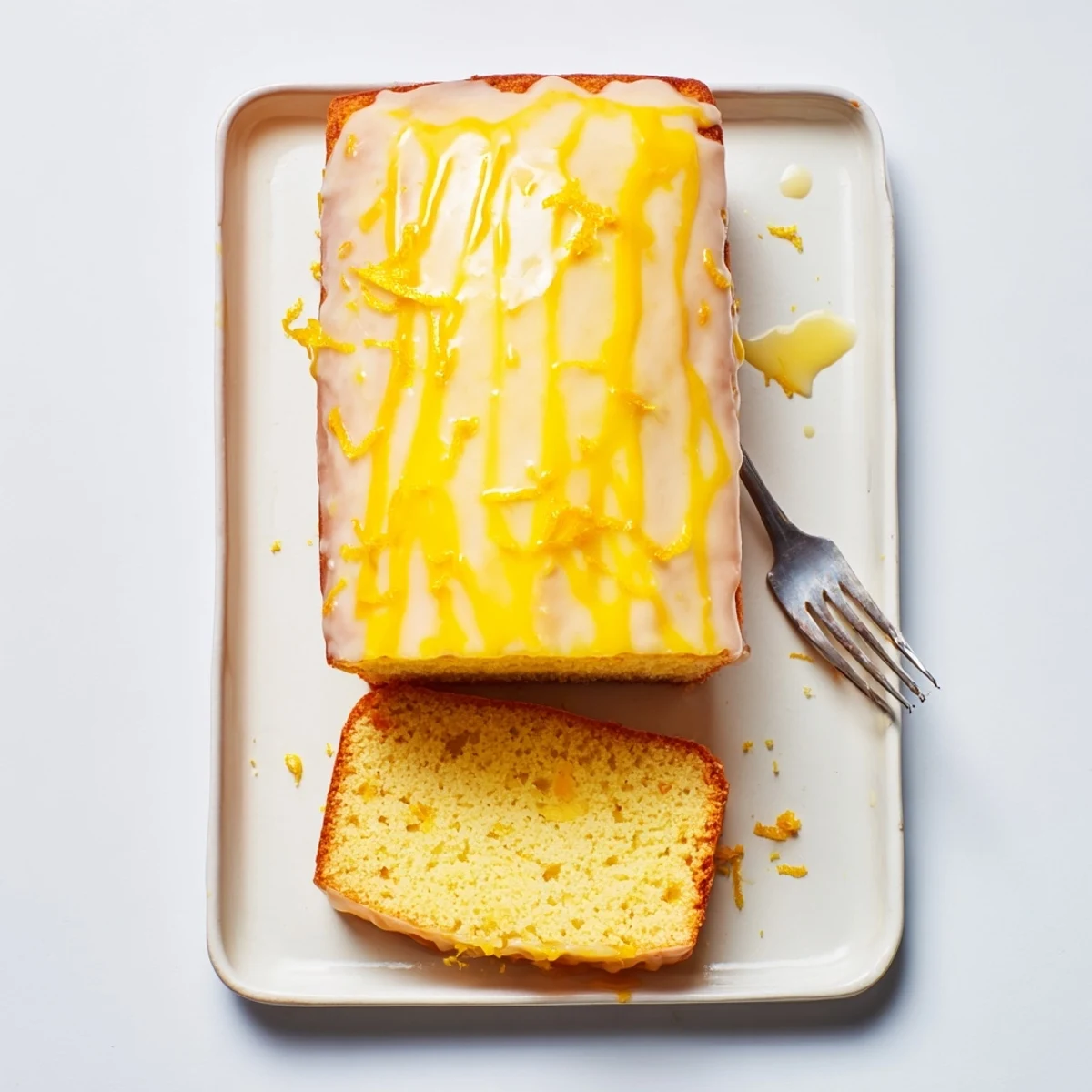
Too thick and your glaze will sit on top like frosting. Too thin and it will slide right off the sides. You want something that slowly cascades down the loaf while leaving visible trails. I hold my whisk up and if the drips take about three seconds to merge back into the bowl its ready.
Storage And Serving Tips
This loaf actually improves on day two as the flavors meld together and the moisture redistributes throughout the crumb. Keep it wrapped tightly at room temperature rather than refrigerating which can make the texture oddly dense.
- Warm individual slices for 15 seconds if serving after the first day
- Pair with something creamy like clotted cream or whipped cream
- A cup of Earl Grey or jasmine tea makes this feel like a proper occasion
 Save to Pinterest
 There is something so cheerful about a lemon loaf sitting on the counter as if promising that even ordinary Tuesdays deserve a little celebration.
Recipe FAQs
- → How do I know when the lemon loaf is fully baked?
-
Insert a wooden toothpick into the center of the loaf. If it comes out clean or with just a few moist crumbs, the loaf is done. The top should be golden brown and spring back lightly when touched.
- → Can I make this lemon loaf ahead of time?
-
Absolutely. This loaf actually tastes better the next day as the flavors have time to develop. Store in an airtight container at room temperature for up to 3 days. You can also freeze the unglazed loaf for up to 3 months and add glaze after thawing.
- → Why do I need to rub the lemon zest into the sugar?
-
Rubbing the zest into the sugar releases the essential oils from the lemon peel, infusing the sugar with intense citrus flavor. This technique ensures the lemon taste permeates every bite rather than being concentrated in just one area.
- → What type of pan works best for this loaf?
-
A standard 9x5-inch metal loaf pan is ideal. Metal conducts heat evenly and produces a nicely browned crust. Glass or ceramic pans work too but may require slightly adjusted baking times since they retain heat differently.
- → Can I substitute ingredients in this lemon loaf?
-
You can swap whole milk for buttermilk for extra tang, or use half olive oil and half butter for a slightly different texture. However, reducing the lemon juice or zest will significantly impact the bright citrus flavor that makes this loaf special.
- → Should the glaze be thick or runny?
-
The perfect glaze consistency should be thick yet pourable, similar to warm honey. Start with 2 tablespoons of lemon juice and add more only if needed. Too thin and it will run off the sides; too thick and it won't drape beautifully over the loaf.